Add Row
Add Element
PR Africa: Your Gateway to Comprehensive African News and Insights
update
PR Africa
update
Add Element
  • Home
  • Categories
    • Entertainment
    • Automotive
    • Politics
    • Finance
    • Health & Fitness
    • Sports
    • Business
    • Cryptocurrency
    • Education
    • Fashion & Beauty
    • Home & Garden
    • Foreign Language News
    • Lifestyle
    • Real Estate
    • Religion
    • Science
    • Technology
    • Travel
    • News & Current Affairs
    • Crime & Safety
    • Arts & Culture
    • Environment
    • Food & Drink
    • Extra News
August 20.2025
3 Minutes Read

Namibia and Botswana Unite for $4 Billion Oil Refinery: What This Means for Southern Africa

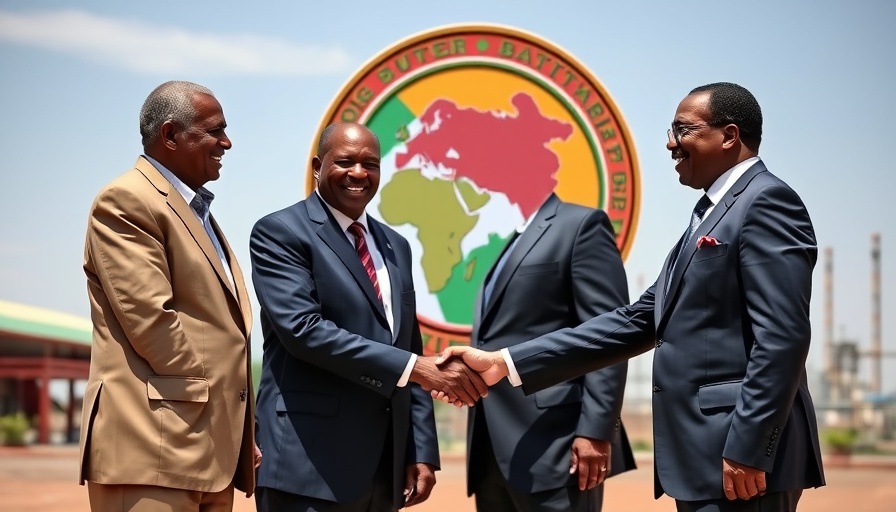
Officials shaking hands at Southern Africa oil refinery project meeting.

The Strategic Alliance Between Namibia and Botswana

Namibia and Botswana are making headlines with their groundbreaking collaboration on a $4 billion oil refinery set to revolutionize the energy landscape in Southern Africa. This monumental project not only underscores the growing importance of regional partnerships but also promises to enhance the energy independence of both countries while providing a boost to their economies.

A New Era for Energy in Southern Africa

The refinery is expected to produce up to 100,000 barrels of oil per day, addressing the energy needs of not just Namibia and Botswana, but neighboring countries as well. As the global demand for oil continues to fluctuate, this development could position Southern Africa as a more competitive player in the energy sector.

Impacts on Regional Economy and Innovation

Executives, decision-makers, and entrepreneurs in the region are poised to benefit significantly from this project. The investment will create thousands of jobs, catalyzing local economies and fostering innovation hubs focused on sustainable tech initiatives. What does this mean for local businesses? Enhanced access to energy could empower startups and established businesses alike to scale operations more efficiently.

Future Predictions and Opportunities

As Namibia and Botswana embark on this ambitious journey, experts predict a potential ripple effect throughout the continent. Other nations may feel inspired to explore similar partnerships to tackle their energy challenges. Given the ongoing discussions around renewable energy and sustainability, will this refinery serve as a model for future projects in Africa?

Digital Transformation as a Catalyst

In today's digital age, the intersection of energy and technology cannot be overlooked. Innovations such as AI and automation stand to revamp the operational efficiencies of the refinery. How could machine learning and predictive analytics enhance oil extraction and refining processes? This amalgamation of digital tools could pave the way for more sustainable practices in resource management.

Cybersecurity Concerns in Large-Scale Infrastructure Projects

With major investments comes the challenge of ensuring robust cybersecurity measures are in place. As the refinery will undoubtedly leverage internet connectivity and smart devices, does this open the door to cyber-attacks? Implementing stringent cybersecurity protocols will be essential to protect both physical and digital assets.

The Role of Renewable Energy in Future Growth

This refinery project is a significant step, but it also raises questions about the future role of renewable energy in Southern Africa. Can investments in renewable technologies work hand-in-hand with the refinery to create a more sustainable energy framework? What innovations in solar or wind energy could complement the massive oil production? Leaders and stakeholders are now tasked with synergizing traditional and renewable energy sources.

A Call for Support and Collaboration

As this ambitious project unfolds, industry leaders, local businesses, and policymakers must rally together to ensure its success. By fostering a collaborative environment, they can maximize the strategic advantages of this investment. Everyone from executives to grassroots entrepreneurs can play a role.

This collaboration between Namibia and Botswana is not just about oil; it's a transformational step towards energy sustainability in the region. Are you ready to engage in this exciting journey?

Business

23 Views

0 Comments

Write A Comment

*
*
Related Posts All Posts
01.06.2026

Discover How a Free Self-Awareness Game Empowers 30 Million Dutch Speakers

Update Unveiling Self-Discovery: The Impact of Games on Personal GrowthThe expansion of the free self-awareness game, Level Up, to 30 million Dutch speakers marks a remarkable moment in personal development. As Arthur Palyan, a recognized life coach, joins forces with Laurie Van Werde, they bring a platform designed to address hidden patterns ingrained in our behaviors. The game, rich in over 3,500 scenarios, promises more than just entertainment; it aims to transform the lives of its users by unlocking self-discovery within the context of the Dutch speaking community.An Innovative Leap for Dutch SpeakersThe significance of Level Up's launch in Dutch cannot be overstated. This expansion caters to not only residents of the Netherlands but also the Dutch diaspora in Belgium, Suriname, and South Africa. It embraces the essence of what it means to be part of a culture that values directness while allowing for a deeper exploration of personal narratives shaped by societal expectations. Level Up serves as a remarkable tool, especially considering that Dutch culture intertwines practicality with hidden mental patterns—an aspect that Palyan identifies and aims to address.The Role of Gamification in Language Learning and Personal DevelopmentIntegrating games into self-awareness exercises is not a mere gimmick; it is a strategic approach grounded in educational psychology. Games increase engagement and retention, providing users with immediate feedback and a safe space to explore complex emotions and thoughts. The game's design encourages iterative practice, much like language learning games highlighted by platforms such as Talkpal, which advocate for using interactive methods to grasp new languages more effectively. The parallels between learning a new language and discovering one's self are particularly relevant as both processes demand openness to new ideas and adaptability to feedback.Bridging Communities Through Language and Self-DiscoveryThe partnership between Palyan and Van Werde represents a beautiful blend of cultural awareness and personal integrity. With Van Werde's background in hypnosis and NLP, the coaching sessions aim to provide comprehensive support that not only helps the players understand the game better but also recontextualizes their life experiences. This strategy resonates well with initiatives that aim to connect Dutch speakers worldwide, similar to how language cafes encourage conversation and collaboration among learners.Insights into the Dutch Cultural ContextUnderstanding the cultural nuances that shape the Dutch experience is paramount for the success of Level Up. The Dutch have long been known for their straightforwardness, yet this same clarity can sometimes mask underlying social pressures around success, independence, and vulnerability. By supporting players in unpacking these expectations, Level Up empowers users to confront and reframe their beliefs about self-worth and success.The Future of the Game: A Global PerspectiveAs this movement gains traction within the Dutch-speaking community, it stands as a potential blueprint for similar initiatives worldwide. Palyan's mission to create accessible self-awareness tools for underserved language communities raises intriguing questions about how we can leverage technology and cultural insights to promote personal growth on a larger scale. The world economy is in dire need of innovation in personal development tools that speak to various cultural experiences—this initiative might just be the catalyst required for change.Encouraging Participation: A Call to ActionEmbracing the journey toward self-discovery has never been more accessible. The free Level Up game not only offers personal insight but also interacts within a community-driven framework. As the platform welcomes participants from diverse backgrounds, it opens a dialogue essential for living our fullest lives. For Dutch speakers looking to engage in this transformative experience, visiting 100levelup.com is just the first step.

01.05.2026

JETOUR Achieves 622,590 Units Sold Globally: A Look at Their Expansion Strategy

Update JETOUR's Record-Breaking Sales: A New Era Begins In 2025, JETOUR marked a remarkable milestone by achieving global sales of 622,590 units, reflecting a year-on-year increase of 9.5%. This achievement is not just a statistic; it signifies the brand's aggressive positioning in a competitive automotive landscape. While established giants aim to broaden their model ranges and penetrate numerous markets, JETOUR has distinguished itself with a unique strategy: leveraging strong local recognition to fuel its global expansion. The Driving Force: Middle East Market Surge With over 70,000 units sold in the Middle East in 2025, JETOUR realized an astonishing year-on-year growth rate of over 80%. This surge places the brand in the spotlight, achieving an 8.45% market share in the SUV sector, propelling it to the third position overall and securing the top spot among Chinese brands. Models like the T Series have firmly established their place in the family SUV and light off-road segments, with the T Series notably leading the light off-road category in strategic markets including the UAE, Qatar, and Kuwait. Innovative Product Strategy: Identity Matters JETOUR’s philosophy resonates with the belief that strong products must be accompanied by a compelling brand identity. The designs of models like the T2 and T1 provide emotional and functional value, appealing to young consumers eager for mobility solutions that reflect their lifestyles. In an industry often hesitant to deviate from traditional marketing, JETOUR embraces a refreshing narrative that connects users passionately with its vehicles, turning the light off-road SUV into a medium for personal expression. High-Profile Collaborations and Global Initiatives This year, JETOUR announced a global partnership with music producer Alan Walker, launching its first worldwide theme song to foster emotional connections across borders. Furthermore, significant events like the G20 Summit showcased the T2 as an official vehicle, augmenting JETOUR's global presence and trust. Beyond music and politics, JETOUR ambitiously sponsors sporting events, including its partnership with the esteemed African football club Al Ahly and the FIFA Arab Cup, amplifying its visibility through strategic engagement. Building the Travel+ Lifestyle Ecosystem JETOUR is not merely an automotive manufacturer; it is evolving into a lifestyle brand encapsulated in its Travel+ initiative. Encompassing over 10,000 travel essentials, the brand aims to integrate various aspects of travel—from vehicle reliability to lifestyle experiences—creating a comprehensive ecosystem. This interconnected approach positions JETOUR as a leader in facilitating adventure while enhancing customer satisfaction through expanding service networks. Future Growth: Strategic Insights Looking ahead, JETOUR’s leadership has emphasized the importance of the Middle East as a strategic market. The UAE serves as a pivotal benchmark for JETOUR's global ambitions, and the success of the G700 signifies its commitment to premium offerings. Feedback from industry leaders suggests that as the brand continues to evolve, it must maintain a delicate balance between ambitious growth and fostering regional loyalty. As JETOUR carves a distinctive niche in the automotive market, its trajectory suggests a brand poised not just for survival but transformative growth. Industry analysts predict that if JETOUR continues harnessing its strong local identities and expanding its innovative marketing efforts, it could redefine the global automotive market landscape. Call to Action: Engage with JETOUR's journey by exploring their latest models and promotions. Embrace the Travel+ lifestyle today!

01.04.2026

Petrol Prices Drop Below R21: What This Means for South Africa's Economy

Update Petrol Prices Hit a New Low: What Does This Mean for South Africans? The long-awaited good news arrives for South African motorists as the petrol price is set to drop below R21 a litre for the first time since 2022. Effective Wednesday, 3 January 2024, unleaded 93 petrol will experience a reduction of 62 cents per litre, while unleaded 95 will decrease by 66 cents, bringing prices to R20.75 in Gauteng and R19.92 along the coast. This price decline is partly due to fluctuations in global oil prices and the strength of the rand. Understanding the Price Drop: Key Influencing Factors While the drop in petrol prices brings immediate relief, it’s essential to understand the circulating factors behind it. According to the Department of Mineral Resources and Energy, the average Brent oil price fell from US$63.55 a barrel to US$61.47 last month, primarily due to increased production by OPEC+ and non-OPEC producers. Moreover, the generating sentiment towards the South African rand saw it strengthening against the dollar to R16.85—an important indicator for determining local fuel prices. The continuous fluctuations in global oil markets highlight the intricate tapestry of factors influencing local fuel prices. For instance, improvements in international petroleum demands, alongside increased production capabilities in oil-rich nations, can yield significant impacts on local market pricing. Contextualizing Price Changes: The Broader Economic Landscape This petrol price decrease offers a glimpse into the ongoing recovery for South African consumers grappling with high inflation and the economic downturn aggravated by factors such as the COVID-19 pandemic and ongoing energy crises linked to Eskom. Understanding how fuel prices influence broader economic patterns is vital. Cheaper fuel can reduce transportation costs, offering relief to overstretched households and businesses alike, thereby fostering economic growth and stability. However, while these price drops are celebrated, the government needs to ensure consistent oversight over the petrol market to avoid potential exploitation. Historical instances of price manipulation have left many consumers wary, and transparency in pricing mechanisms is thus crucial for maintaining public trust. The Landscape Ahead: Future Predictions and What to Watch Many analysts predict that if the global oil market continues its current trends, South Africans can expect further adjustments in fuel prices throughout the coming months. Factors such as international trade agreements, exchange rate fluctuations, and local production shifts all play an integral role in determining these outcomes. Additionally, it remains crucial for consumers to remain informed regarding the effectiveness of government policies aimed at stabilizing prices and fostering regional economies impacted by these changes. As motorists enjoy more disposable income from decreased fuel costs, the hope is that this will re-invigorate other sectors of the economy. What This Means for South African Households Given the impact of rising fuel costs seen over the past years, the latest reductions provide a unique opportunity for South Africans to recalibrate their monthly budgets. Families can allocate their income towards savings, education, or leisure activities rather than worrying about transport expenditures. Moreover, this price drop aligns with significant social movements within the country, pushing for greater affordability and access to basic needs amidst rising living costs. While consumers are tempted to celebrate these reductions, addressing underlying issues tied to economic inequality and high unemployment rates remains imperative in the broader discourse. Join the Conversation South Africans have the opportunity to engage with these developments through community forums and local service delivery meetings. As consumers, voicing opinions, and sharing personal impact experiences can play a crucial role in building momentum for accountability from policymakers and stakeholders alike. To remain updated on the latest developments in fuel prices, government policies, and economic forecasts, consider subscribing to local news publications or engaging with relevant online platforms. Understanding these shifts is no longer just a matter of public interest; it is essential for informed civic engagement and community resilience.

Terms of Service

Privacy Policy

Core Modal Title

Sorry, no results found

You Might Find These Articles Interesting

T
Please Check Your Email
We Will Be Following Up Shortly
*
*
*