Add Row
Add Element
PR Africa: Your Gateway to Comprehensive African News and Insights
update
PR Africa
update
Add Element
  • Home
  • Categories
    • Entertainment
    • Automotive
    • Politics
    • Finance
    • Health & Fitness
    • Sports
    • Business
    • Cryptocurrency
    • Education
    • Fashion & Beauty
    • Home & Garden
    • Foreign Language News
    • Lifestyle
    • Real Estate
    • Religion
    • Science
    • Technology
    • Travel
    • News & Current Affairs
    • Crime & Safety
    • Arts & Culture
    • Environment
    • Food & Drink
    • Extra News
March 11.2025
3 Minutes Read

Zimbabwe's Pothole Controversy: A Critical Insight for Travelers

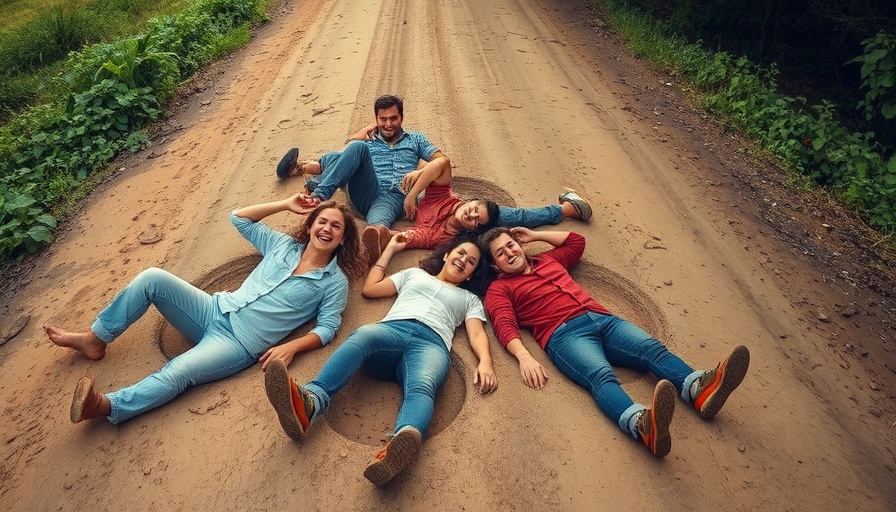
People relaxing in large potholes on a dirt road in Zimbabwe.

Zimbabwe's Pothole Controversy: A Critical Insight for Travelers

The Zimbabwean government is facing a significant crisis following the emergence of a viral photo showcasing three individuals inadvertently posing for a photograph inside an enormous pothole attributed to the Bulawayo-Victoria Falls Highway. This highway is critical, serving as a primary route to one of the world's most iconic natural wonders, the Victoria Falls, and is essential for tourism, connecting travelers to Hwange National Park, Zimbabwe's largest wildlife habitat.

Understanding the Importance of Infrastructure in Tourism

The condition of roads, particularly vital highways, can heavily influence a country’s tourism appeal. Zimbabwe, reliant on its natural attractions, must ensure that its infrastructure supports and enhances the visitor experience. Motorists and tourists have long expressed frustration at the poor state of the Bulawayo-Victoria Falls Highway, where potholes have led to vehicle damage, increased accident rates, and a diminishing sense of safety and reliability while traveling.

Government's Response and Public Outcry

In the wake of the viral image, the government attempted to downplay the accusations, stating that the photo scanned online does not depict the Bulawayo-Victoria Falls Highway. They acknowledged, however, a need for urgent repairs on certain highway sections. This contradictory stance has drawn criticism from opposition figures, including congressman Gift Ostallos Siziba, who openly documented the highway's dilapidation via live video feeds.

The Heart of the Matter: Safety and Economy

Critical infrastructure, like the Bulawayo-Victoria Falls Highway, serves more than just a functional purpose; it is the backbone of Zimbabwean tourism, which significantly bolsters the nation's economy. As such, the neglect of this highway poses threats not only to the safety of travelers but also to the overall economic well-being of communities that rely on tourism revenue. The government’s failure to maintain this route risks alienating potential visitors amidst a competitive global travel market.

Highlighting Current Trends in Travel Safety

As the world emerges from the pandemic, safety and well-maintained infrastructure are at the forefront of travelers' considerations. With increasing options for travelers seeking adventures in Africa, including exploring South Africa travel destinations or embarking on ecotourism adventures, the state of highways in neighboring countries is also scrutinized. Travel safety not only encompasses personal safety but also assurance that selected routes are well-kept and reliable.

Tourism in Crisis: What It Means for Travelers

This pothole controversy serves as a wake-up call, not just for government authorities but also for travelers who are increasingly choosing their destinations based on the reliability of infrastructure. The choice for many adventurers will hinge not only on the attractions available but on the overall experience they can expect, which hinges heavily on well-maintained roads and facilities.

Looking Ahead: How Can Travelers Prepare?

Travelers intending to venture to Zimbabwe or surrounding regions should strategically prepare by reviewing updated travel blogs and safety reports about current road conditions. Engaging with recent traveler experiences can provide valuable insights and assist in creating effective itineraries that prioritize road safety.

The Role of Community Voices in Action

The community's role in advocating for better infrastructure is critical. Strengthening connections between local government, residents, and tourists can produce tangible improvements in the conditions of roads, enhancing safety for future visitors. Travelers should not hesitate to share their experiences and advocate for improvements wherever they explore.

Final Thoughts: Advocacy for Better Infrastructure

As this pothole controversy unfolds, it's a reminder to not only be cautious while traveling but to also understand the impact of infrastructure on a country’s tourism landscape. Travelers should remember the importance of safe infrastructure and advocate for sustained attention towards the roads connecting them to unforgettable experiences.

Take action today by learning more about local conditions before you travel. Discover the unique destinations all across South Africa and plan your itinerary with safety and adventure in mind.

Travel

9 Views

0 Comments

Write A Comment

*
*
Related Posts All Posts
01.06.2026

Discover the Best South Africa Travel Destinations This January

Update A Journey Through January: Uncover South Africa's Treasures The beginning of a new year often brings the promise of adventure, and for many travelers, nothing beats kickstarting that journey in South Africa. January, renowned for its beautiful summer weather and vibrant landscape, presents an array of exploration opportunities. From coastal escapes to mountainous retreats, the country lays out a welcoming mat for adventurers in search of unforgettable experiences. As the holiday buzz begins to settle, January blossoms into a haven for travelers looking to embrace the laid-back ambiance and stunning scenery. Why January is Ideal for Travel in South Africa With warm temperatures and the allure of summer, January is arguably one of the best times to explore South Africa. The climate is generally pleasant, with average daytime temperatures hovering around 29°C (84°F), making it perfect for enjoying the outdoors. However, popular destinations such as Cape Town may experience crowded beaches, particularly as families take advantage of the extended school holiday. For those seeking a more tranquil experience, exploring the less-trodden paths can lead to breathtaking discoveries. While the popular sites are bustling, numerous hidden gems await those willing to venture off the beaten track. Spotlight on Coastal Wonders: Jeffreys Bay, Jacobsbaai, and Jongensfontein Among the best destinations to savor South Africa in January are its spectacular coastal towns. For instance, Jeffreys Bay, known globally for its surf culture, offers not just world-class waves but also warm waters, seafood spots, and sunset viewpoints. Whether you're hitting the surf or simply enjoying the golden sands, there's something quintessentially summer about spending January at J-Bay. Similarly, Jacobsbaai is a quiet retreat on the West Coast, perfect for travelers who crave a peaceful escape. With its charming whitewashed cottages and rocky shoreline, it’s ideal for those romantic sunset picnics or solo reflections by the tidal pools. Jongesfontein holds a special allure as a nostalgic seaside village offering a warm community feel. Its safe beaches and rock pools invite families to reconnect with nature, making it an idyllic spot for those looking to unwind and enjoy the simple pleasures of life. Adventuring to Jozini: The Perfect Spot for Thrill Seekers If you lean towards adventurous escapes, consider heading north to Jozini in KwaZulu-Natal. Defined by its lush landscapes and proximity to Lake Jozini, this region is teeming with activities like boating, tiger-fishing, and rich birdwatching experiences. The dramatic scenery here, where mountains meet water, provides a thrilling backdrop for exploration. It's an ideal setting for those eager to embrace the untamed spirit of summer in South Africa. Nature’s Oasis: Jonkershoek Nature Reserve and Hiking Trails For outdoor enthusiasts, Jonkershoek Nature Reserve is a must-visit destination just outside Stellenbosch. As summer temperatures soars, the reserve offers refreshing mountain trails intertwining with flowing streams, creating a perfect retreat from the heat. Here, hiking adventures await, featuring scenic vistas and vibrant local flora, making it a fantastic choice for nature lovers seeking a refreshing escape. Cultural Festivals: Celebrate in Cape Town As January unfolds, cultural vibrancy comes alive in Cape Town through events like the famed Kaapse Klopse Festival. Throughout the first week, the city bursts into a display of music, color, and culture as thousands of costumed minstrels parade through the streets, celebrating the rich heritage of the Cape Coloured community. This unique spectacle adds yet another layer of depth to your travels, intertwining enjoyment with cultural connection. In addition to celebrations, January is an ideal time for exploring the local cuisine, where flavors draw from the diverse cultures across the region. Indulge in dishes like Cape Malay curry or savor the zesty local street food, making every meal an adventure in itself. Practical Tips for Traveling in January While planning your trip, it's essential to be aware of crowd dynamics. January typically draws many tourists; thus, booking accommodations and flights well in advance can save you a lot of hassle. Consider using local travel blogs for tips and off-the-beaten-track suggestions when crafting your itinerary. Safety is always a priority when traveling. While South Africa is safe for tourists, it’s essential to remain vigilant and stick to well-populated areas, especially when exploring urban landscapes at night. Conclusion: Begin the New Year with South African Adventures With so much to see and experience, January stands out as a month of exploration in South Africa. From vibrant coastal towns to serene nature reserves and colorful festivals, this is a time to embrace the beauty of the new year. So as you plan your travels, consider South Africa this January for a richly textured escape that combines adventure, culture, and unforgettable memories. Start your journey today!

01.06.2026

Discover the Ultimate Safari in Southern Africa for Executives

Update Unlocking the Wonders of Safari in Southern Africa Southern Africa is not just a backdrop for adventure; it is a vibrant ecosystem teeming with life. From the rugged landscapes of Namibia to the lush wetlands of Botswana, each safari destination presents unique experiences waiting to be explored. Imagine witnessing majestic elephants roaming freely under the African sun or hearing the roar of a lion echoing through the wilderness. For business executives and decision-makers, a safari can provide a refreshing perspective on conservation, innovation, and cultural heritage. Why Choose Southern Africa for Your Safari Adventure? Southern Africa boasts renowned national parks, each offering unparalleled wildlife experiences. Kruger National Park in South Africa is a flagship destination with over 200,000 diverse mammals. Not only can you expect the famed "Big Five" (lion, leopard, elephant, buffalo, and rhino), but the park is also supported by a robust infrastructure of luxury lodges, making it accessible even for the busiest executive. In contrast, Botswana's premium safaris focus on low-impact tourism and conservation. The Okavango Delta, a UNESCO World Heritage site, transforms with seasonal floods, creating a lush oasis that supports diverse wildlife. A boat safari here offers a tranquil escape, perfect for reflection and innovative thinking. Timing Your Adventure: When to Go? The best time for a safari in Southern Africa is during the dry season from April to October. During these months, wildlife congregates around dwindling water sources, offering excellent opportunities for sightings. This is particularly true in Kruger and Chobe National Park, where herd movements become predictable. Conversely, the wet season from November to March provides an entirely different experience. Birdwatchers will relish the vibrant breeding plumage of migratory birds, while the lush landscapes create a stunning backdrop for photography. However, the occasional rains can make wildlife spotting more challenging. Tailored Safari Experiences: Luxury vs. Self-Drive Deciding between luxury and self-drive safaris is a pivotal choice. Luxury safaris, prevalent in Botswana and South Africa, provide experience often curated with expert guides and gourmet meals. This approach allows guests to sit back and enjoy the breathtaking views while soaking in unparalleled service. On the other hand, self-drive safaris in Namibia and Botswana offer flexibility and adventure. This option caters to those who prefer to dictate their own pace and explore off-the-beaten-path locations, putting personal discovery at the forefront. It is essential for decision-makers to weigh these choices against their desire for unique experiences versus comfort. Emerging Destinations: Expanding Your Safari Horizons While countries like South Africa and Botswana often take center stage, Zambia and Zimbabwe present hidden gems for safari enthusiasts. Zambia's South Luangwa National Park provides a true wilderness experience, with walking safaris led by skilled guides. Meanwhile, Zimbabwe's Hwange National Park offers fantastic sightings of elephants and big cats, all set within breathtaking landscapes. Emerging safari spots like Malawi and Mozambique also offer unique experiences, though travelers should remain aware of security situations in specific areas. These lesser-known locations provide an opportunity for executives and business leaders to engage in discussions around sustainable tourism practices and community development within the region. Conclusion: Embarking on Your Southern Africa Safari Journey Your safari adventure in Southern Africa awaits, offering more than just wildlife sightings but a deeper connection to nature and cultural exchanges. As pioneers of industries, executives must consider how such experiences reinforce the importance of conservation, collaboration, and innovation. Booking is just the first step—engaging with local communities and understanding their conservation efforts during your visit can enrich your adventure. Are you ready to embark on this transformative journey? Discover the various safari packages available and make Southern Africa your next executive retreat.

01.05.2026

Discover the Legacy of Craig: Amboseli's Beloved Super Tusker

Update The Passing of Amboseli’s Icon: Craig the Elephant On January 3, 2026, Amboseli National Park, a beloved wildlife refuge in Kenya, bid farewell to an iconic figure—Craig, the legendary super tusker, who passed away at the age of 54. With each year of his life, Craig became a symbol of hope for elephant conservation, representing a time when the majestic giants of Africa roamed freely across vast landscapes. A Legacy of Natural Longevity Craig’s passing serves as a poignant reminder of the challenges faced by elephants today and the importance of conservation efforts in allowing these magnificent creatures to age naturally. According to the Big Life Foundation, Craig succumbed to complications related to advanced age, notably worn molars that hindered his ability to chew food. Unlike so many elephants that suffer due to poaching or habitat loss, Craig lived out his days peacefully in Amboseli, a testament to successful conservation efforts in Kenya. From the late 20th century onwards, elephant populations in Africa faced catastrophic decline; the numbers dwindled from approximately 1.3 million in 1979 to a staggering 400,000 today. However, Craig’s long life highlights what can be achieved through sustained protections and community stewardship. His survival amidst such turmoil is a beacon of what is possible when conservation becomes interwoven with local livelihoods and respects the invaluable role these animals play in their ecosystem. Elephants in the Context of Conservation The significance of Craig extends beyond his physical stature. He was an ambassador for coexistence between humans and wildlife, showcasing that elephants can thrive even in areas shared with communities. His gentle demeanor earned him a place in the hearts of many, making him one of the most photographed elephants in Africa. A strong genetic heritage, marked by his impressive tusks, also positioned Craig as a key figure in the preservation of super tusker elephants, a group that has notably diminished due to rampant poaching. The impact of Craig’s life on Kenyan wildlife tourism is profound. Many travelers visiting Amboseli had their heart set on seeing this gentle giant, surrendering to the magic of witnessing such a magnificent creature in its natural habitat. The images of Craig graced books, documentaries, and social media feeds worldwide, with visitors often sharing tales of their encounters and the awe sparked by his presence. Reflections on the Importance of Community Stewardship Craig’s legacy underscores the importance of multi-faceted conservation strategies, which incorporate local communities in protecting wildlife. Initiatives by the Kenya Wildlife Service (KWS), combined with anti-poaching measures and community education, have helped create a more secure environment for elephants. Craig’s existence and survival, almost a miracle in a landscape increasingly ravaged by poaching, illustrate what can be achieved when conservation is prioritized. Successful coexistence between elephants and humans involves deep-rooted respect for both wildlife and local cultures. The Maasai community has long cohabited with these elephants, and their involvement in conservation plays a crucial role in protecting Amboseli’s delicate ecosystem. Craig was a hallmark of this relationship, inspiring a sense of responsibility and pride among those living alongside wildlife. What Lies Ahead for Amboseli After Craig? Moving forward, Craig’s passing raises critical questions about the future of Amboseli’s elephants. While the community and organizations like Big Life Foundation continue their conservation work, more needs to be done to ensure the survival of the remaining super tuskers, of which fewer than 25 are believed to be left in Africa. Conservationists remain cautiously optimistic; the demand for ivory has shown signs of decline, and awareness regarding the importance of protecting wildlife is increasing globally. However, habitat loss poses an ongoing threat that cannot be ignored. The natural corridors that elephants navigate are shrinking due to agricultural expansion and human settlement. Visiting Amboseli: A Journey Through Legacy Travelers interested in experiencing Amboseli National Park can still find inspiration and wonder within its landscapes. The wetlands still teem with elephants, each embodying a piece of Craig’s spirit. For those embarking on a Kenyan safari, the historical significance of places where Craig once roamed adds a new layer of meaning to their adventure. Let Craig's life inspire your travels to South Africa, where numerous unparalleled travel experiences await. Whether you're exploring the breathtaking game reserves, sharing in the stories of local communities, or immersing yourself in the vibrant culture, the legacy of super tuskers like Craig lives on in the hearts of all who cherish wildlife. Take Action for Future Generations In the wake of Craig’s passing, it’s essential to reflect on how each of us can contribute to conservation efforts. Whether it’s choosing sustainable travel options, spreading awareness about wildlife, or supporting local conservation organizations, every action counts toward ensuring future generations can enjoy the same experiences that inspired you. Remember that true adventure lies not only in the destinations we explore, but in how we protect and honor the natural world around us.

Terms of Service

Privacy Policy

Core Modal Title

Sorry, no results found

You Might Find These Articles Interesting

T
Please Check Your Email
We Will Be Following Up Shortly
*
*
*