Add Row
Add Element
PR Africa: Your Gateway to Comprehensive African News and Insights
update
PR Africa
update
Add Element
  • Home
  • Categories
    • Entertainment
    • Automotive
    • Politics
    • Finance
    • Health & Fitness
    • Sports
    • Business
    • Cryptocurrency
    • Education
    • Fashion & Beauty
    • Home & Garden
    • Foreign Language News
    • Lifestyle
    • Real Estate
    • Religion
    • Science
    • Technology
    • Travel
    • News & Current Affairs
    • Crime & Safety
    • Arts & Culture
    • Environment
    • Food & Drink
    • Extra News
March 03.2025
3 Minutes Read

Witness Cute Lion Cubs Learn to Cross the Road in Kruger National Park

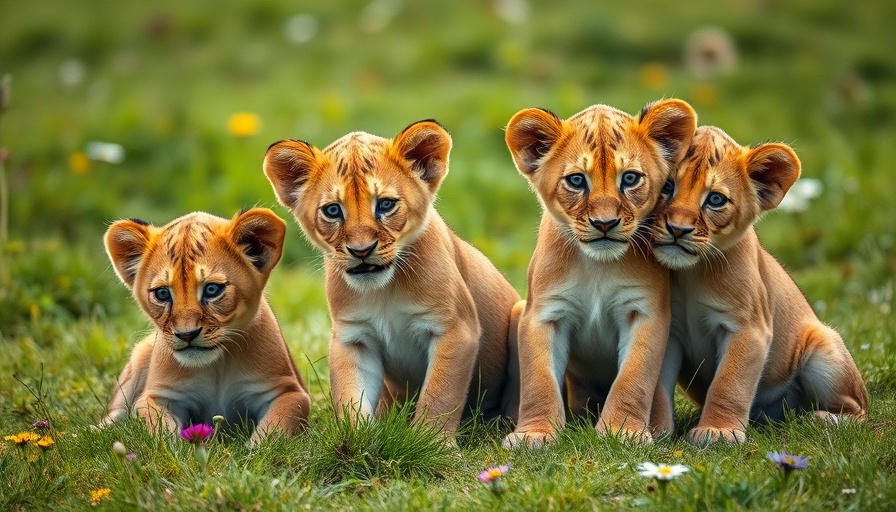
Adorable lion cubs in Kruger National Park savanna.

A Heartwarming Journey: Lion Cubs Learning Life’s First Steps

The animal kingdom has a way of reflecting our own journeys through life, and a recent sighting at the Kruger National Park captures this perfectly. A lioness, demonstrating both patience and nurturing—a hallmark of maternal love—guided her tiny cubs across the road. This adorable moment showcases the natural world’s gentle giants while simultaneously highlighting the themes of family, growth, and the challenges faced along the way.

Connecting with Nature: What This Sighting Teaches Us

Encountering wildlife in their natural habitat can be a transformative experience, especially for travelers seeking to understand South Africa’s rich biodiversity. The sighting, as filmed by an observer, Steyn Jacobsohn, reveals not only the cuteness of the cubs but also the often complex dynamics involved in animal behavior. As the cubs hesitated, unsure of their task, it mirrored the uncertainties many of us face on our journeys through life. In these moments, the role of a guiding figure—be it a parent or a mentor—becomes crucial.

The Broader Picture: Lion Families in the Animal Kingdom

Understanding why the lioness was moving her cubs extends beyond this single sighting. Lions are social animals, living in familial groups known as prides that typically contain skilled hunters and protectors. The mother’s determination to gather her cubs illustrates not only love but the instinct to ensure the safety and continuation of her lineage. With cubs being born after a gestation of about 100 days, they remain close to their mother until they are ready to be introduced to the broader pride structure. This social dynamic emphasizes the importance of community—a vital lesson for travelers exploring the cultural experiences of South Africa.

Kruger National Park: A Gateway to Adventure

For travelers, visiting Kruger National Park offers a plethora of opportunities to witness such heartwarming wildlife interactions. Whether it’s part of a budget travel itinerary or a luxury safari experience, the park caters to every type of adventurer. With its diverse landscapes and rich fauna, Kruger serves as a reminder of nature's resilience and beauty. It’s not just a destination for observing wildlife; it’s a place for tourists to engage with nature, foster respect for wildlife, and appreciate their place in the ecosystem.

Reflection on Human Connections and Wildlife

This touching moment of the lion family also beckons us to consider the relationships we form in our lives. Just as the lioness teaches her cubs to trust and follow, we too learn the value of companionship and the importance of those who guide us through life's road. Each of us encounters moments of uncertainty—the key is having someone to help us along the way. As international travelers, we often find that local guides are not just interpreters of the land; they are our mentors, enriching our experiences and providing insights into the culture and history of South Africa.

Why You Should Take This Journey to South Africa

In conclusion, traveling to South Africa not only offers astonishing sightings like these lion cubs but presents an opportunity to learn about the delicate balance of nature. Engaging with local guides, experiencing local cuisine, and understanding cultural nuances enrich your journey. If you’re someone who enjoys adventurous travel, keep an eye out for Kruger National Park on your itinerary—it could very well be where you discover your new favorite destination.

As you plan your next adventure, consider the wildlife, the stories they tell, and the personal connections you forge with both nature and its guardians. Follow the path of the brave subjects of this journey, and embrace the travel opportunities that South Africa has to offer!

Travel

17 Views

0 Comments

Write A Comment

*
*
Related Posts All Posts
02.12.2026

South Africa's High-Speed Rail Plans Are Gaining Traction: What's Next for Travelers?

Update Revitalizing Rail Travel: South Africa's High-Speed Rail Resurgence In the latest chapter of South Africa's infrastructure renaissance, President Cyril Ramaphosa recently emphasized the government's renewed commitment to establishing a high-speed rail network during his 2026 State of the Nation Address. This ambitious venture aims not only to modernize long-distance travel within the nation but significantly enhance accessibility, connecting key economic hubs across provinces. Fulfilling a Long-Awaited Promise For years, discussions around high-speed rail in South Africa have been characterized by skepticism due to funding issues and shifting timelines. However, with nearly 30 companies now expressing interest in participating in the project's early stages, there is a palpable sense of momentum. The government's aims include reducing travel times dramatically, such as the journey from Johannesburg to Durban, which currently takes over five hours by road, to around 90 minutes. One proposed route focuses on the corridor between Limpopo and Gauteng, with plans for a link between Pretoria and Polokwane. If all goes according to plan, commercial operations could commence as early as 2030. Why High-Speed Rail is Essential for Growth Investment in rail infrastructure is crucial for several reasons. Firstly, it has the potential to foster economic growth by facilitating trade and improving the mobility of the workforce. High-speed rail can attract tourism, with international travelers eager to experience South Africa's diverse landscapes. Furthermore, it aligns with global trends where modern rail systems have become the norm for intercity connections, marking South Africa's desire to compete on a global scale. Public Sentiment and Support According to President Ramaphosa, there is strong public support for this infrastructure initiative. The project has taken center stage as South Africa seeks modernization to remain competitive in a rapidly changing economic landscape. With past plans often falling short, the current administration's emphasis on accountability and stakeholder engagement aims to reassure South Africans of the project’s viability. Looking Towards the Future The upcoming procurement process marks a significant step towards realizing these plans. In alignment with the government's vision, the high-speed rail initiative will not only enhance connectivity within the nation but also create job opportunities in construction, management, and operations, contributing to the upliftment of local communities. Call to Action: What You Can Do As travelers and adventurers, keep an eye on these exciting developments—this is your chance to witness the evolution of rail travel in South Africa. Consider how enhanced connectivity could enrich your travel experiences, whether you're planning a road trip or exploring the breathtaking scenery on the upcoming high-speed routes. Stay informed, engage with your local tourism boards, and be part of South Africa's transformative journey.

02.11.2026

Transform Your Adventure: Ethical Wildlife Experiences in Africa

Update Championing Ethical Wildlife Tourism in AfricaAfrica's wildlife is magnetic; it captivates visitors with its sprawling savannahs and majestic creatures. Yet in recent years, as tourism rebounds across the continent, a critical question arises: can we experience the wildlife planet's wonders while still prioritizing dignity, conservation, and local community involvement?The solution lies in ethical wildlife tourism, which emphasizes rather than mere access. Embracing respectful, responsible interactions with animals minimizes disturbance to their natural behaviors and conserves their habitats, while also honoring the intrinsic value of every living entity.A Shift from 'Access-First' to Ethical ExperiencesTraditional wildlife tourism often idealizes close encounters with animals, sometimes sacrificing their well-being for the sake of an Instagram-worthy moment. Such encounters can lead to stress for the animals, disruptive behavior, and significant traffic in delicate environments. Ethical wildlife interactions instead shift the focus to the welfare of wildlife, understanding that these creatures are not props for human entertainment but rather independent beings with their own lives.Operators that prioritize ethical experiences adhere to certain principles that uphold wildlife welfare:Wildlife Welfare Comes First: Tours are designed to minimize disruption, with trained guides responsible for maintaining respectful distances to avoid harassment.Local Knowledge is Essential: Experiences are enriched by local guides and communities, ensuring that visitors learn from authentic cultural perspectives while providing equitable economic opportunities.Sustainable Practices: Small groups and limited vehicles ensure low-impact experiences, while strict codes of conduct safeguard noise, light, and movement during excursions.Education Over Entertainment: Guests are educated about ecological dynamics and conservation challenges, developing a deeper understanding of their surroundings.Inspiring Ethical Wildlife EncountersTravelers today can find a wealth of ethical wildlife experiences across Africa that respect both the animals and their habitats. Here are a few highlighted approaches, embracing the community-driven spirit of sustainable tourism:Walking Safaris with Local TrackersVenturing into the wilderness on foot with experienced local trackers not only promotes a slower, more intimate wildlife experience, but also connects visitors to the varied flora and fauna of places like Tanzania's Serengeti. Guided walking tours deepen visitors' appreciation for the intricacies of ecosystems and the delicate balance within them.Chimp and Gorilla TrekkingMany travelers dream of witnessing our closest relatives, the great apes, in their natural habitats. Chimp trekking in places like Tanzania and Uganda can offer thrilling insights into their social structures while ensuring minimal disruption. Similarly, gorilla trekking experiences inspire awe as trekkers navigate steep terrains to observe these gentle giants in their natural environment, often leading to transformative moments.Swim with Whale SharksFor those seeking aquatic adventures, snorkeling with the gentle giants of the ocean, like whale sharks along East Africa’s coasts, can be an unforgettable highlight. This experience epitomizes the beauty of marine ecosystems while allowing travelers to appreciate these majestic creatures in their natural habitat.Choosing the Right OperatorSelecting the right company can be critical in ensuring a genuinely ethical experience. Budding ecotourists are encouraged to research and scrutinize operators before booking:Seek licensed companies that prioritize wildlife welfare and conservation over mere spectacle.Inquire about their policies regarding animal interactions. Reputable companies do not endorse practices such as lion walking or elephant rides.Confidence in a company’s ethical stance can be bolstered by checking its references and testimonials from previous travelers.As many travelers, including those who travel on a budget, continue to flock to Africa for its wildlife experiences, it’s essential for consumers to advocate for responsible and ethical tourism practices. Informed choices made by travelers can foster a positive impact, empowering local communities and conserving wildlife.Call to Action: Experience Mindful TravelAs you plan your next trip, consider incorporating ethical wildlife tourism into your itinerary. Delve into the beauty and cultural richness of Africa while making choices that honor its wildlife and communities. Embrace experiences that promise not just joy, but dignity and respect for all living beings.

02.10.2026

Explore Cape Town's Wine Farms: The Perfect Low-Pressure Delight

Update Discover Cape Town's Hidden Wine Gems The wine farms surrounding Cape Town offer more than just tastings; they present an experience uniquely tied to the stunning landscapes and vibrant culture of the Western Cape. Unlike the formal settings often associated with wine tasting, these hidden gems provide an inclusive atmosphere that encourages spontaneity and leisurely enjoyment. From lively markets to serene picnic spaces, the region is dotted with places where you can sip and savor without pretense. What Makes These Wine Farms Special? First off, the relaxed vibe at places like Root 44 Market allows you to enjoy local wines without the pressure of strict itineraries. Instead of a formal tasting, you can grab a glass from one of the stalls and mingle with locals, enjoying the openness of a community gathering space. Constantia Glen exemplifies balance with its picturesque views and a peaceful atmosphere. Here, you can share a cheese board amongst friends, indulging in delectable pairings while appreciating the serene rolling hills around you. The wines flow freely, but the experience is not solely focused on them; it’s about the joy of being together. Top Contenders for a Low-Pressure Wine Day If you're looking for places that truly value an easy-going experience amidst breathtaking scenery, consider these top contenders: Peter Falke Wines: Known as a secret garden, this Stellenbosch establishment thrives on creating a welcoming space where visitors can relax with a glass of wine or simply enjoy the natural surroundings, whether it’s a short stop or a lazy afternoon. Groot Constantia: The oldest wine estate in South Africa, this spot combines rich history with the opportunity to explore the vineyard at your leisure. Their range of offerings includes tastings with a backdrop of beautifully restored architecture and gardens. Diemersdal: This estate captures the essence of the countryside with its inviting atmosphere. Relax on their terrace while sampling award-winning wines, all set against stunning views of surrounding hills. Accessibility: Exploring Beyond Wine Cape Town’s wine farm experiences are designed to cater to everyone’s tastes—from casual wine drinkers to connoisseurs. The unique social dynamics of these spaces allow visitors to relax and connect with others within a naturally beautiful context. Understanding the region's rich history of winemaking—dating back to the first established farms in the 17th century—adds a wonderful layer to the drinking experience. For travelers, these insights tie perfectly into the broader exploration of South Africa travel destinations, and for locals, this is a chance to rediscover your neighborhood. What to Expect on Your Visit The atmosphere at these wine farms is intentionally casual. You won’t find stuffy service or overwhelming tasting protocols here, but rather warm welcomes and friendly smiles. Many wineries encourage you to make the most of your time—settling down with a picnic on the lawn or simply enjoying a slow afternoon with a view. This inviting environment makes the experience feel less like a chore and more like an adventure. Plan Your Day in the Wine Region When planning a day trip to explore these unpretentious wine farms, consider starting at Steenberg Vineyards, famous for its impeccable service and relaxed vibe. Follow your taste exploration through the Constantia Wine Route, concluding your day at Constantia Glen, known for its picturesque sunsets. Remember to check out local eateries offering handcrafted dishes and family-friendly atmospheres. For those interested in more than just wine, engage with South African local cuisine at these wine estates or enjoy a stunning view paired with great food. Take a little time before or after your tastings to enjoy the local experiences that make this area so special. Final Thoughts: Savor the Experience As you explore the Cape Town wine farms, keep in mind the beauty of simplicity. The focus should be on enjoying the moment—good company, good wine, and a stunning backdrop. Whether you’re a seasoned wine enthusiast or just looking for an afternoon escape, the uncomplicated charm of these estates is sure to deliver. Be sure to plan ahead and check for any booking requirements, especially during peak seasons. However, don’t hesitate to remain flexible—sometimes the best memories are made when the day takes an unexpected turn! For all these reasons, I encourage you to explore these charming spots at your own pace, taking in the sights, tastes, and experiences that Cape Town's wine farms have to offer. Now that you know about these hidden gems, why not plan your next trip to one of these amazing Cape Town wine farms? Reach out to locals for more recommendations or join guided tours to ensure you see all the highlights.

Terms of Service

Privacy Policy

Core Modal Title

Sorry, no results found

You Might Find These Articles Interesting

T
Please Check Your Email
We Will Be Following Up Shortly
*
*
*