Add Row
Add Element
PR Africa: Your Gateway to Comprehensive African News and Insights
update
PR Africa
update
Add Element
  • Home
  • Categories
    • Entertainment
    • Automotive
    • Politics
    • Finance
    • Health & Fitness
    • Sports
    • Business
    • Cryptocurrency
    • Education
    • Fashion & Beauty
    • Home & Garden
    • Foreign Language News
    • Lifestyle
    • Real Estate
    • Religion
    • Science
    • Technology
    • Travel
    • News & Current Affairs
    • Crime & Safety
    • Arts & Culture
    • Environment
    • Food & Drink
    • Extra News
March 29.2025
3 Minutes Read

Why ‘Writers of the Future Volume 41’ Is Crucial for Accessibility in Literature

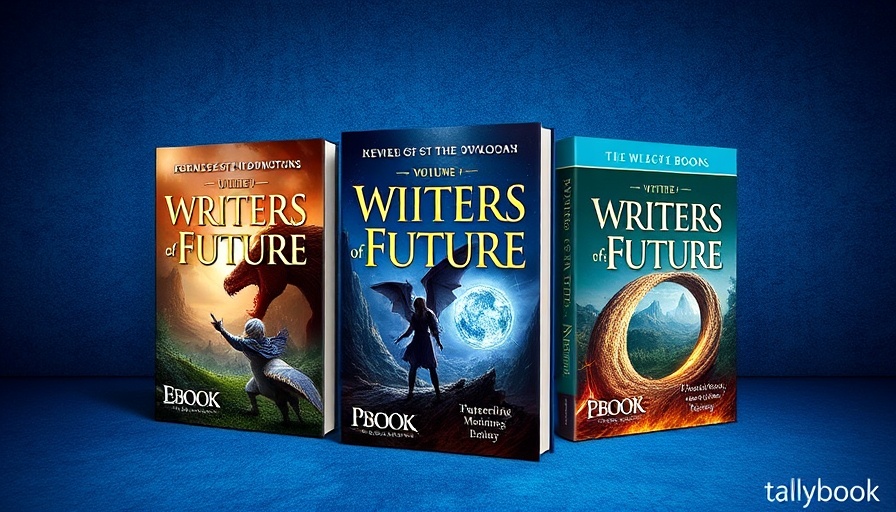
Writers of the Future Volume 41 eBook, Paperback, and Audiobook covers on blue.

Writers of the Future Volume 41 Achieves Accessibility Certification

The announcement of the eBook version of “L. Ron Hubbard Presents Writers of the Future Volume 41” achieving accessibility certification marks a significant milestone in the realm of literature. This initiative, championed by organizations like Born Accessible, is not merely a technical feat but a crucial step towards inclusivity, allowing those with disabilities to engage fully with literature.

The Importance of Accessibility in Literature

With over 1 billion individuals worldwide experiencing some form of disability, the call for accessible literature is more pressing than ever. The World Wide Web Consortium (W3C) has set international standards aimed at ensuring that everyone, irrespective of their physical limitations, can access and enjoy a wealth of information. For writers and publishers, creating accessible content isn't just about compliance; it's about broadening their audience and fulfilling their ethical responsibilities.

A Shift Towards Inclusivity in Publishing

John Goodwin, president of Galaxy Press, reflects on the significance of this movement. “This is our third Writers of the Future volume to be certified accessible,” he states, emphasizing the commitment to inclusivity that underpins this project. Accessibility is not merely about adjusting the format; it’s about acknowledging and dismantling barriers that prevent meaningful engagement with literary works.

Understanding Print Disabilities

In a revealing interview on the Writers of the Future Podcast, Michael Johnson, VP of Content at Born Accessible, outlines the categories of print disabilities, from blindness to various disabilities that affect reading capabilities. The statistics he presents are sobering: approximately 20% of the global population faces some form of reading restriction. This data urges authors and publishers to rethink their strategies, lest they alienate a significant portion of potential readers.

The Historical Context of Accessibility in Publishing

Since the inception of the Writers of the Future contest in 1983, the focus has been on nurturing the aspirations of fledgling writers and illustrators. Initially designed to spotlight new talents, the contest has evolved to embrace the challenge of accessibility, reflecting a broader societal shift towards recognizing the rights and needs of individuals with disabilities. The imperative to publish accessible materials illustrates a long-overdue transformation in the industry.

Actionable Insights for Writers and Publishers

As we celebrate the achievement of the latest volume in the Writers of the Future series, there lies a pressing question for content creators: how can they contribute to this momentum? The answer is simple yet impactful: by prioritizing accessibility in each phase of their work. This includes utilizing adaptable formats, engaging editors who understand accessibility standards, and advocating for inclusivity in their writing communities.

Building a Future without Barriers

With the rise of technologies and methodologies that promote accessible content, the literary landscape is poised for a major transformation. By adopting inclusive practices, publishing houses and independent authors alike can ensure that everyone has the opportunity to experience the joy of storytelling. As we move forward, let us remember that each page turned is a step towards a more equitable society where everyone’s voice counts.

In conclusion, the certification of “Writers of the Future Volume 41” as accessible literature is more than a notable achievement; it serves as a beacon for the future of publishing. Embracing accessibility not only enhances our collective experience of literature but also upholds the democratic principles of equality and community.

As professionals in this ever-evolving landscape, it’s crucial to advocate for, and implement strategies leading to, accessible literature. Together, we can create a vibrant, inclusive literary world where no one is left behind.

Take Action Today! For all writers and readers alike, join the movement towards making literature accessible. Consider how you can contribute, whether by advocating for accessible content, engaging with inclusive communities, or educating yourself about the needs of readers with print disabilities.

Arts & Culture

16 Views

0 Comments

Write A Comment

*
*
Related Posts All Posts
12.15.2025

WeLovEya Festival and PFL Finals: Benin's Path to Cultural Diplomacy

Update Bridging Cultures Through Soft Power: The WeLovEya Festival In an ambitious display of cultural diplomacy, the WeLovEya festival in Benin is set to showcase not only music but also sports and cinema as tools of soft power that enhance the nation’s global footprint. Scheduled for December, this festival aims to unify African nations by celebrating their rich artistic heritage and by furthering connections among African diasporas. Events like these are crucial in the face of political challenges, such as the failed coup attempt against President Patrice Talon, serving as a beacon of resilience and hope. Societal Impact through Artistic Diplomacy The convergence of Afrobeats stars and business elites at the festival underscores how cultural events can act as platforms for significant dialogue and partnerships. With the backing of influential entertainers, the WeLovEya festival also aims to challenge perceptions of Africa globally, promoting narratives of unity and progress rather than stereotypes of conflict and poverty. The Role of Sports in Cultural Promotion In addition to music, the Professional Fighters League (PFL) Africa Finals will be held in Cotonou on December 20, further highlighting Benin’s commitment to using sports as a means of cultural engagement. By showcasing local and continental talents, PFL is creating a space where combat sports can fuel national pride and economic opportunities. The storytelling of athletes can inspire communities, creating shared values and solidifying cultural ties across nations. International Reach: Cultural and Economic Gains These events are more than mere entertainment; they are strategic moves aimed at revitalizing Benin’s economic landscape through tourism and foreign investment. The festival and MMA events aim to attract attention from across French-speaking Africa and beyond, offering a glimpse of Benin's artistic scene and competitive sportsmanship. Such initiatives are vital for local economies, particularly as they cater to diverse audiences, enhancing visitor engagement and interaction. Challenges and Criticism While the integration of arts and sports into Benin’s diplomatic strategy brings numerous benefits, it is not without its critics. Concerns over corruption and governance issues linger, and there are questions regarding the sustainability of such events amidst ongoing societal issues like unemployment and poverty. However, the Talon dynasty's emphasis on cultural diplomacy may provide solutions by creating job opportunities in tourism and entertainment sectors. Fulfilling the Promise of Pan-African Unity The WeLovEya festival and PFL Africa Finals embody the potential for greater collaboration among African nations. This pivot toward cultural engagement through music and sports might aid in addressing systemic challenges faced by the continent such as economic growth barriers, youth empowerment, and gender equality. Ultimately, such initiatives can transform narratives—a critical step in decolonizing perceptions of African nations on the global stage. Look Ahead: Future Events and Cultural Innovations The future looks promising for Benin as it continues to assert itself as a cultural hub in West Africa. With plans for more events that bring together diverse artistic forms, including film and fashion, the country could lead transformative dialogues aimed at increased regional and continental collaboration. As soft power becomes a crucial tool in redefining Africa’s global perception, festivals like WeLovEya and sporting events like the PFL Finals will mark the beginning of a new era where culture serves as a catalyst for change and progress. As we approach these landmark events, Benin’s strategy reveals the deep interconnection between culture, sports, and national identity, creating pathways for engagement and mutual support among African nations and the diaspora.

12.09.2025

Somalia's Poets Keep Hope Alive: A Cultural Renaissance Amid Conflict

Update The Enduring Legacy of Somali Poetry Amidst Conflict As the waves of conflict continue to churn across Somalia, its rich cultural tapestry remains woven through the voices of its poets. Known as a nation of poets, Somalia's oral traditions face significant challenges today. Yet, amidst the din of warfare and despair, a fading generation of poetic masters strives to instill messages of reconciliation and hope through art. This spirited endeavor recalls a time when Somalia's poets were hailed as cultural architects, and now, they cling to a fragile role as beacons of peace.In Somalia's poets keep hope alive for storytelling and for peace, the discussion dives into the role of oral poetry in promoting peace and culture, exploring key insights that sparked deeper analysis on our end. Poetry as a Catalyst for Peace In a landscape fraught with tribal divisions and conflict, poetry emerges as an unexpected yet potent instrument for fostering unity. These poets, primarily focusing on themes of security, good governance, and community galvanization, intentionally circumvent political entanglements. This deliberate apolitical stance allows them to connect with audiences who might otherwise be divided by regional strife or allegiances. The poets champion peace while crafting narratives rooted in cultural identity and shared experiences, resonating with a society yearning for stability. Cultural Revival through Performative Arts The launch of the "Messengers of Arts" initiative showcases the proactive efforts made by poets and singers to traverse the complex realities of Somalia. Their outreach programs have included performances in districts long known as conflict zones. This restoration of public spaces for art has proven transformative; by holding exhibitions in areas once choked by hostility, these artists reclaim the narrative of the land. The revitalization of the site in Mogadishu, previously a no-go area, illustrates the power of artistic expression in bridging chasms of division. Historical Context: A Shift From Royalty to Neglect Historically, poets in Somalia enjoyed a status akin to royalty, revered during the leadership of Siad Barre, who curated an atmosphere conducive to artistic expression. Their prominence allowed them access to governmental resources and audiences. However, the fall of the Barre regime led to an obvious decline not only in political structure but also in the esteem held by poets. As current administrations neglect these artists, the discrepancy illustrates a nuanced truth: the health of a society's cultural pillars is often a reflection of its political wellness. Recognizing Legends: The Impact of Hadrawi Among the pantheon of poetic geniuses in Somalia, the late Hadrawi emerges as a figure of towering significance. Recognized internationally, Hadrawi's poems fuse love with the lamentation of war, making his work universally relevant. His artistry extends beyond local arenas, reaching esteemed institutions like Harvard University, where his contributions have been embraced as vital representations of Somali heritage. The embrace of such a figure highlights how artistry transcends borders, though it begs the question of what legacy remains in a land still grappling with conflict. The Role of Poetry in Social Healing: A New Generation's Duty As current generations of Somali poets grapple with preserving oral traditions, they also shoulder the responsibility of healing their society. Their journey isn't just about reviving poetry but also fostering dialogue—enabling individuals to share their stories openly and express pain, loss, and aspirations. The poetry recitals in community gatherings become essential gatherings for collective processing of trauma and rebuilding pathways to understanding. Each recitation nurtures a space where voices can be heard, unifying people through shared narratives of grief and hope. Future Predictions: The Resilience of Somali Culture Looking forward, the resilience of Somali culture, amid the tumult, is both a challenge and an opportunity. The increased global visibility of Somali artists through digital channels and the support of diasporic communities may illuminate pathways for revitalizing the country's cultural heritage. Poets, as stewards of history, will continue to ensure their perspectives remain at the center of societal transformation. As Hausa poet Abdurrahman Souley aptly put it, 'Poetry is a force of hope.' This sentiment rings true for the Somali landscape, where hope is cultivated not just in word but in the action of its poets as they weave peace into the narrative of their homeland. Engagement in this cultural renaissance matters now more than ever. Readers are encouraged to connect with Somali poets and their work, embracing their messages of peace as further embers in the ongoing quest for healing and unity.

11.28.2025

New Afrikaans Birthday Song Competition Unites a Culture in Celebration

Update Celebrating Afrikaans Through Music: A Unifying Competition In a heartwarming display of cultural unity, Virseker, a celebrated insurance company operating solely in Afrikaans, recently hosted a nationwide competition to discover a new birthday song in celebration of Afrikaans’ 100th anniversary. This initiative not only invigorated the love for the language but also served as a platform where South Africans came together, showcasing their creativity and affection for their heritage. Tasché Takes the Lead: A Standout Winner Among the multitude of talented entries, Tasché's vibrant rendition of the birthday song emerged as the crowd favorite, capturing the hearts of thousands through her powerful vocals and rock-inspired sound. Her performance resonated with listeners, reflecting a true celebration of the Afrikaans identity. As Morné Van Emmenes, Head of Marketing at Virseker, aptly noted, the competition was about more than just talent; it was about the authentic love for the Afrikaans language and culture. Piesangskille: A Playful Runner-Up While Tasché took the top spot, the cheerful version by Piesangskille showcased a humorous and playful interpretation that won them a respectable second place. Their upbeat personality and knack for charming lyrics provided a delightful counterpoint to Tasché’s powerful ballad, showing that there’s room for diverse interpretations of cultural expressions. The Broader Significance: A Celebration of Language and Heritage This contest is part of the broader “Afrikaans 100” campaign, running throughout 2025, emphasizing the richness and vibrancy of a century-old language. Van Emmenes expressed that Afrikaans transcends mere words; it is an integral part of the identity of its speakers—a cultural touchstone that deserves to be celebrated. The campaign aims to promote a sense of pride and community, reintroducing Afrikaans into the soundtracks of life in a way that is both creative and inclusive. Looking Forward: Inclusive Initiatives for All As Virseker looks ahead, their commitment to supporting Afrikaans education and cultural initiatives is unwavering. With programs designed to foster learning and provide resources for Afrikaans-speaking students, the company is actively working to ensure the language thrives in future generations. The success of the birthday song competition is merely the start of a series of projects aimed at elevating community involvement and celebrating local culture. Music and Inclusivity: A Match Made in Afrikaans The excitement generated by both songs reflects a broader trend in South Africa where music acts as a bridge, connecting people across various backgrounds. Versatile genres and styles merge into one cultural expression—fostering unity in diversity. Songs like Tasché and Piesangskille’s creations encourage discussions around cultural pride and representation, inviting everyone to partake in the celebration regardless of their musical background. Join the Celebration: Embrace Your Afrikaans Identity For readers seeking to immerse themselves further into this vibrant expression of culture, joining in the festivities through singing these new tunes at birthday celebrations could be a great start. Not only do they embody the spirit of Afrikaans, but they also serve as a nostalgic reminder of collective memories and shared experiences. As the sun sets on this first chapter of celebration for Afrikaans’ centenary, it is clear that the journey is just beginning. Everyone from poets to average citizens is encouraged to get involved and share their love for Afrikaans, ensuring this rich heritage continues to flourish amidst modernity. Remember, music is not just art; it’s a movement.

Terms of Service

Privacy Policy

Core Modal Title

Sorry, no results found

You Might Find These Articles Interesting

T
Please Check Your Email
We Will Be Following Up Shortly
*
*
*