 Add Row
  Add
Add 


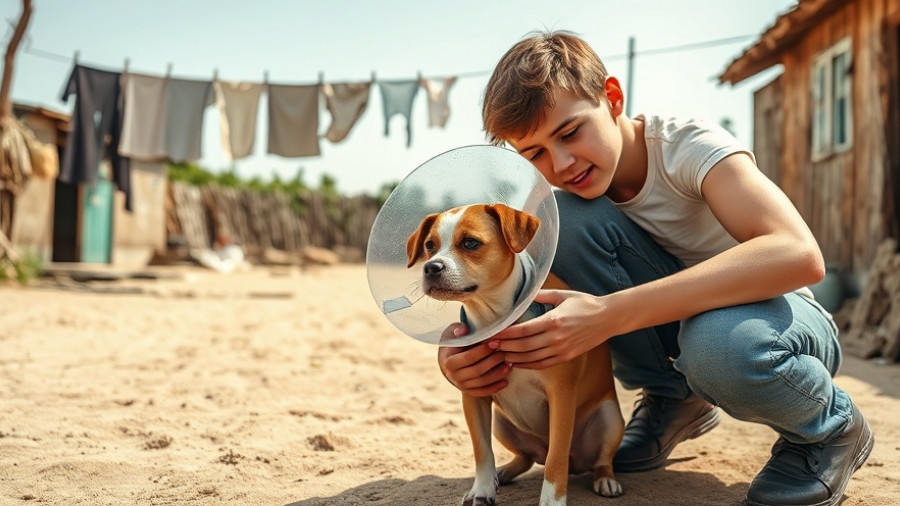
Understanding the Interconnectedness of Health
The One Health approach emphasizes the vital links between the health of humans, animals, and our environment, particularly in contexts like South Africa where daily interactions with both wildlife and domestic animals are common. This integrative framework serves as a reminder that the well-being of one directly influences the others.
The Reality of Zoonotic Diseases
Conditions such as rabies and brucellosis are examples of zoonotic diseases—infections that can spread from animals to humans. In countries like South Africa, where interactions with stray animals and livestock are prevalent, the potential for such disease outbreaks is heightened. According to the CDC, more than 60% of known infectious diseases are believed to have originated from animals, highlighting the importance of this interconnected health model.
Why One Health Matters to Communities
Understanding the One Health concept is crucial for communities in South Africa. In rural areas, the health of livestock affects food security and financial stability. In urban settings, unvaccinated pets pose health risks, while pollution impacts both human and animal well-being. Furthermore, the ongoing effects of climate change exacerbate health risks, making it essential for communities to adopt a One Health approach to mitigate these challenges.
FOUR PAWS: Advocacy for a Healthy Future
As a leading advocate for animal welfare, FOUR PAWS works tirelessly to implement solutions that reflect the One Health perspective. Their initiatives include well-coordinated campaigns for sterilization, vaccination, and education focused on public health and animal care. By investing in humane approaches, they aim to nurture healthier communities, emphasizing the idea that 'healthy animals equal healthy people.'
Transforming Our Engagement with Nature
The One Health approach is not merely a scientific construct; it serves as a community-driven movement. Actions such as reducing meat consumption, responsibly managing waste, and actively participating in wildlife protection endeavors promote not only personal health but also the vitality of entire ecosystems. This community focus encourages individuals to see how their choices can lead to broader health improvements.
Practical Steps to Engage
Individuals can play a crucial role in the One Health paradigm through simple actions, such as:
- Vaccinating and sterilizing pets to prevent the spread of diseases.
- Choosing sustainable farming and dietary practices.
- Engaging in local conservation efforts and education campaigns about zoonotic diseases.
- Promoting awareness about the importance of safeguarding wildlife.
Each step taken not only helps address personal and local health concerns but also contributes to a more significant, global effort toward disease prevention and environmental sustainability.
Looking Forward: The Future of One Health
Looking towards the future, the One Health approach offers promising pathways for improving health outcomes. With a focus on increased collaboration between sectors—public health, veterinary medicine, and environmental science—communities can better prepare for and react to health crises. Embracing this holistic strategy can ultimately protect human health, animal welfare, and ecological stability.
As we navigate these interconnected challenges, it’s important not to underestimate the impact individual actions can have on community health. Whether you're a parent, a professional, or a concerned citizen, adopting the principles of One Health can empower healthier choices that amplify well-being for all.
Join the Movement for Healthier Outcomes
Take action today by engaging with local health initiatives and learning how to protect the delicate balance between our health, that of animals, and the environment. Together, we can create a sustainable future!


Write A Comment