Add Row
Add Element
PR Africa: Your Gateway to Comprehensive African News and Insights
update
PR Africa
update
Add Element
  • Home
  • Categories
    • Entertainment
    • Automotive
    • Politics
    • Finance
    • Health & Fitness
    • Sports
    • Business
    • Cryptocurrency
    • Education
    • Fashion & Beauty
    • Home & Garden
    • Foreign Language News
    • Lifestyle
    • Real Estate
    • Religion
    • Science
    • Technology
    • Travel
    • News & Current Affairs
    • Crime & Safety
    • Arts & Culture
    • Environment
    • Food & Drink
    • Extra News
February 26.2025
3 Minutes Read

Urgent Alert: Table Mountain Fire Threatens Hiking Trails and Local Safety

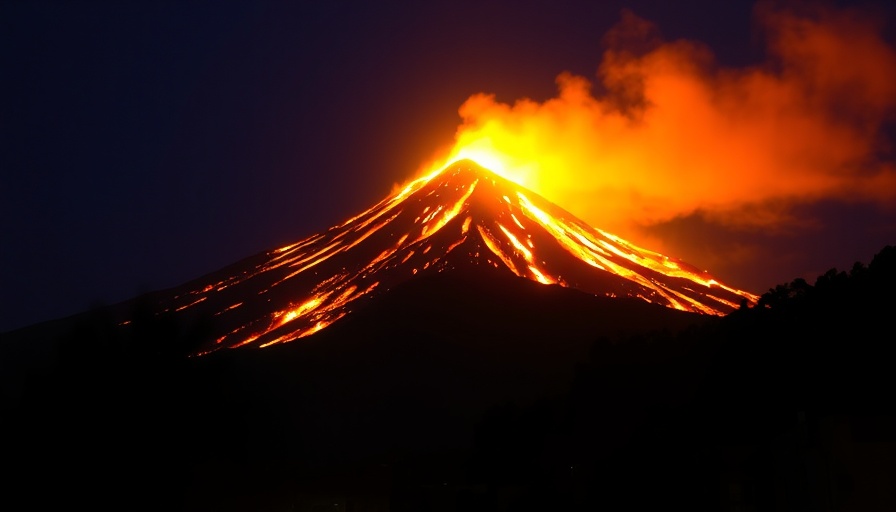
Dramatic nighttime image of Table Mountain fire lighting up the sky.

The Ongoing Battle Against the Table Mountain Inferno

The majestic Table Mountain in Cape Town, a cornerstone of South African tourism, is currently battling a severe wildfire that has raised alarms across the region. Originating from the Newlands Ravine, this fire has become a significant concern not just for the ecological integrity of the mountain but for the safety of the surrounding communities. With flames exacerbated by strong winds, the fire has already ravaged approximately 148 acres of land, driving emergency services into continuous action.

Community Action and Emergency Response

As firefighters work tirelessly, the situation calls for community involvement and awareness. Local authorities, including SANParks, have deployed over 80 firefighters alongside aerial support in the form of helicopters to combat the blaze. However, recent efforts are complicated by hikers ignoring trail closures, endangering both themselves and rescue teams.
JP Louw, spokesperson for SANParks, stresses, 'We need public cooperation to keep everyone safe during these critical times.'

Consequences of Wildfires on Tourism and Local Economy

While the immediate focus is on firefighting efforts, the consequences extend to the tourism sector, which is vital for South Africa's economy. With key hiking trails such as those leading to Devil’s Peak and the famous Table Mountain Cableway closed, numerous vacationers may reconsider their travel plans.
It’s vital to address how adverse conditions like this might shift tourism trends toward less impacted regions or activities, possibly affecting travel itineraries for domestic and international visitors alike.

Ecological Impacts and Future Prevention Strategies

Wildfire management practices are now under scrutiny, especially regarding prescribed burns—controlled fires used to eliminate excess vegetation. Ecologists argue that these practices are essential in preventing uncontrollable wildfires that threaten not just nature but the local populace. As Cape Town aims to promote ecotourism and conservation, revisiting these strategies could prove beneficial.
'It's not just about controlling fire; it's about preserving our natural heritage for future generations,' says a local ecologist.

Are Hikers Aware of Their Responsibilities?

Despite repeated warnings, the stubborn nature of some hikers raises concerns. The popular Instagrammable views and fresh air are undeniably appealing, but amidst a fire, choosing to disobey closures could lead to severe consequences.
If you are planning to explore the breathtaking trails of Table Mountain, safety should come first—always check for local updates and adhere to closures.

Upcoming Travel Plans Amidst Ongoing Challenges

With these issues looming, it’s essential to reconsider and adapt travel plans. Whether you’re planning a family vacation, a solo backpacking trip, or a honeymoon, consider various South Africa travel destinations that offer safety and adventure without the threat of wildfires. Embrace the local cuisine, indulge in cultural experiences, or perhaps explore wildlife at Kruger National Park, extending your adventure without compromising safety.

Responding to Fire Reports: What You Can Do?

As the situation develops, communities and travelers alike are encouraged to assist in various ways, be it through organized funds to support firefighters, or simply by spreading awareness of local conditions online. For those in the vicinity, understanding when and where to hike or travel can greatly impact the recovery efforts and community support avenues.

Travel

24 Views

0 Comments

Write A Comment

*
*
Related Posts All Posts
01.05.2026

Discover the Legacy of Craig: Amboseli's Beloved Super Tusker

Update The Passing of Amboseli’s Icon: Craig the Elephant On January 3, 2026, Amboseli National Park, a beloved wildlife refuge in Kenya, bid farewell to an iconic figure—Craig, the legendary super tusker, who passed away at the age of 54. With each year of his life, Craig became a symbol of hope for elephant conservation, representing a time when the majestic giants of Africa roamed freely across vast landscapes. A Legacy of Natural Longevity Craig’s passing serves as a poignant reminder of the challenges faced by elephants today and the importance of conservation efforts in allowing these magnificent creatures to age naturally. According to the Big Life Foundation, Craig succumbed to complications related to advanced age, notably worn molars that hindered his ability to chew food. Unlike so many elephants that suffer due to poaching or habitat loss, Craig lived out his days peacefully in Amboseli, a testament to successful conservation efforts in Kenya. From the late 20th century onwards, elephant populations in Africa faced catastrophic decline; the numbers dwindled from approximately 1.3 million in 1979 to a staggering 400,000 today. However, Craig’s long life highlights what can be achieved through sustained protections and community stewardship. His survival amidst such turmoil is a beacon of what is possible when conservation becomes interwoven with local livelihoods and respects the invaluable role these animals play in their ecosystem. Elephants in the Context of Conservation The significance of Craig extends beyond his physical stature. He was an ambassador for coexistence between humans and wildlife, showcasing that elephants can thrive even in areas shared with communities. His gentle demeanor earned him a place in the hearts of many, making him one of the most photographed elephants in Africa. A strong genetic heritage, marked by his impressive tusks, also positioned Craig as a key figure in the preservation of super tusker elephants, a group that has notably diminished due to rampant poaching. The impact of Craig’s life on Kenyan wildlife tourism is profound. Many travelers visiting Amboseli had their heart set on seeing this gentle giant, surrendering to the magic of witnessing such a magnificent creature in its natural habitat. The images of Craig graced books, documentaries, and social media feeds worldwide, with visitors often sharing tales of their encounters and the awe sparked by his presence. Reflections on the Importance of Community Stewardship Craig’s legacy underscores the importance of multi-faceted conservation strategies, which incorporate local communities in protecting wildlife. Initiatives by the Kenya Wildlife Service (KWS), combined with anti-poaching measures and community education, have helped create a more secure environment for elephants. Craig’s existence and survival, almost a miracle in a landscape increasingly ravaged by poaching, illustrate what can be achieved when conservation is prioritized. Successful coexistence between elephants and humans involves deep-rooted respect for both wildlife and local cultures. The Maasai community has long cohabited with these elephants, and their involvement in conservation plays a crucial role in protecting Amboseli’s delicate ecosystem. Craig was a hallmark of this relationship, inspiring a sense of responsibility and pride among those living alongside wildlife. What Lies Ahead for Amboseli After Craig? Moving forward, Craig’s passing raises critical questions about the future of Amboseli’s elephants. While the community and organizations like Big Life Foundation continue their conservation work, more needs to be done to ensure the survival of the remaining super tuskers, of which fewer than 25 are believed to be left in Africa. Conservationists remain cautiously optimistic; the demand for ivory has shown signs of decline, and awareness regarding the importance of protecting wildlife is increasing globally. However, habitat loss poses an ongoing threat that cannot be ignored. The natural corridors that elephants navigate are shrinking due to agricultural expansion and human settlement. Visiting Amboseli: A Journey Through Legacy Travelers interested in experiencing Amboseli National Park can still find inspiration and wonder within its landscapes. The wetlands still teem with elephants, each embodying a piece of Craig’s spirit. For those embarking on a Kenyan safari, the historical significance of places where Craig once roamed adds a new layer of meaning to their adventure. Let Craig's life inspire your travels to South Africa, where numerous unparalleled travel experiences await. Whether you're exploring the breathtaking game reserves, sharing in the stories of local communities, or immersing yourself in the vibrant culture, the legacy of super tuskers like Craig lives on in the hearts of all who cherish wildlife. Take Action for Future Generations In the wake of Craig’s passing, it’s essential to reflect on how each of us can contribute to conservation efforts. Whether it’s choosing sustainable travel options, spreading awareness about wildlife, or supporting local conservation organizations, every action counts toward ensuring future generations can enjoy the same experiences that inspired you. Remember that true adventure lies not only in the destinations we explore, but in how we protect and honor the natural world around us.

Image Gallery Grid

Terms of Service

Privacy Policy

Core Modal Title

Sorry, no results found

You Might Find These Articles Interesting

T
Please Check Your Email
We Will Be Following Up Shortly
*
*
*