Add Row
Add Element
PR Africa: Your Gateway to Comprehensive African News and Insights
update
PR Africa
update
Add Element
  • Home
  • Categories
    • Entertainment
    • Automotive
    • Politics
    • Finance
    • Health & Fitness
    • Sports
    • Business
    • Cryptocurrency
    • Education
    • Fashion & Beauty
    • Home & Garden
    • Foreign Language News
    • Lifestyle
    • Real Estate
    • Religion
    • Science
    • Technology
    • Travel
    • News & Current Affairs
    • Crime & Safety
    • Arts & Culture
    • Environment
    • Food & Drink
    • Extra News
March 03.2025
3 Minutes Read

Urban 20 Cycle Advocates for Development Issues Ahead of G20 Summit

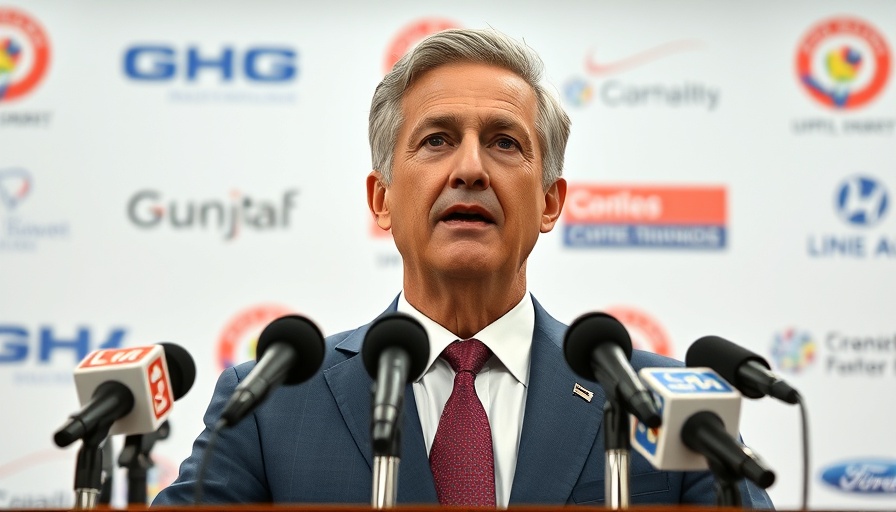
Urban 20 Cycle G20 Summit speaker at podium.

Johannesburg Gears Up for the Upcoming G20 Summit

The 8th Urban 20 (U20) Cycle, recently launched by Johannesburg Mayor Dada Morero, emphasizes the urgent need for urban development issues to be highlighted at the G20 Summit scheduled for November. This initiative, a convergence of major cities globally, allows local leaders to advocate for pressing urban matters within the global policy-making arena. With a focus on infrastructure, funding, and community welfare, this initiative seeks to create actionable strategies that resonate with the socio-economic challenges faced by urban residents.

Infrastructure Needs Under the Spotlight

Morero's address pointedly discussed the critical necessity to refurbish ailing infrastructure in cities. Many municipal infrastructures have deteriorated over the years due to neglect and lack of funding, resulting in increased service delivery protests and disillusionment among residents. Morero stated, “In fact whatever restructuring we do, should be a benefit to residents of Joburg, ensuring that municipalities survive while catering to the challenges of our residents.” This acknowledgment of infrastructure decay not only highlights local governance's challenges but also draws attention to broader issues related to economic recovery and job creation.

Advocating for Alternative Funding Mechanisms

In light of the financial challenges municipalities face, Morero has called for innovative funding solutions. This encompasses seeking partnerships with the private sector and exploring sustainable revenue-generating initiatives. As governmental budgets tighten, finding alternative funding methods becomes crucial to facilitate urban development without overwhelming residents with increased tariffs. The mayor emphasized the importance of tailoring these solutions to be responsive to economic conditions, further demonstrating his commitment to responsible governance.

The Role of Cities in Global Discourses

Launched in 2017, the Urban 20 initiative has become an essential forum for cities to effect change in G20 discussions. It fosters a collaborative environment whereby mayors from major global cities can articulate the unique challenges they face and propose concrete solutions. With a track record of focusing on climate change and sustainability, the U20 aims not only to influence G20 outcomes but also to elevate urban issues in the global agenda.

Insights from Past U20 Initiatives

As cities grapple with pressing issues like climate resilience and urbanization, past U20 cycles provide valuable lessons. The collaborative efforts from cities like Buenos Aires and Paris have previously navigated contentious topics, illustrating the power of city diplomacy. This history empowers current leaders to push boundaries and advocate effectively, showcasing how local governance can influence high-level discussions.

Future Implications for South African Politics

As South Africa prepares for national elections, the implications of this cycle extend into the political landscape. The push for urban issues to be front and center at such major international platforms reflects a shift in how local governance interacts with national and global policies. Engaging with national leaders through the G20 could enhance local strategies surrounding key issues, including economic recovery, public health, and infrastructure development.

Consolidating Urban Voices for Global Impact

With the global community increasingly recognizing cities as core players in addressing contemporary challenges, the 8th U20 Cycle stands as a pivotal moment for Johannesburg and its counterparts. By uniting city leaders under a shared vision, this initiative could well define the course of urban policy discussions at the G20, shaping futures for millions in urban settings.

In conclusion, as urban stakeholders come together to push for more profound recognition of city issues in global forums like the G20, it becomes essential for professionals and community members to stay informed and involved. Their collective voice at such platforms is vital in steering meaningful change and ensuring that urban areas are equipped to tackle future challenges efficiently. Stay engaged and support initiatives that resonate with sustainable urban living.

Politics

24 Views

0 Comments

Write A Comment

*
*
Related Posts All Posts
12.01.2025

Why the SACP's Decision to Contest 2026 Elections Affects ANC Dynamics

Update Political Realignment in South Africa: The SACP's Pivotal Move The recent decision by the South African Communist Party (SACP) to contest the 2026 local government elections independently signals a profound shift in the political landscape of South Africa. This move has dominated discussions within the African National Congress (ANC) as they convened a Special National Executive Committee (NEC) meeting to address the implications of this unprecedented decision. Secretary-General Fikile Mbalula underscored the ANC's failure to persuade the SACP to reconsider its stance during recent bilateral talks, indicating a potential rift within the historic alliance between these parties. Historical Context: The Tripartite Alliance Understanding the ramifications of the SACP's decision requires a look back at the history of the Tripartite Alliance, which comprises the ANC, SACP, and the Congress of South African Trade Unions (COSATU). This coalition has been a cornerstone of South African politics since the end of apartheid, fundamentally shaping governance and policy frameworks. The SACP has historically played a crucial role in supporting ANC initiatives, pushing for social justice, labor rights, and economic reforms. However, the dissatisfaction stemming from the ANC's perceived political failures—including ongoing corruption and inadequate service delivery—has prompted a reevaluation of SACP's role and strategies. The ANC's Response: A Coalition Under Threat? The ANC's engagement with the SACP reflects a deeper apprehension about maintaining its base and coalition partners ahead of the 2026 elections. Mbalula's remarks that the dual membership might need reevaluation highlight the tension brewing within the alliance. The SACP’s insistence on contesting elections independently is viewed not only as a challenge to the ANC's dominance but also as a potential precursor to disbanding the coalition structure that has been in place for over two decades. Political analysts have noted that this move by the SACP appears to stem from frustrations over the ANC's collaborations with opposition parties like the Democratic Alliance (DA) within a Government of National Unity (GNU). Counterarguments and Diverse Perspectives: Voices from the Ground While the ANC envisions a path to persuade the SACP to recommit to their traditional partnership, the SACP maintains that members should not be forced to choose between loyalties that should remain complementary. The party argues that dual membership is a critical aspect of its identity and cannot simply be discarded in light of electoral strategies. This divergence in viewpoints raises essential questions about political integrity and electoral strategy—does maintaining an independent stance undermine the democratic process, or is it a necessary evolution? Political commentators highlight the potential for a splintering of the Left, resulting in weakened power dynamics against more established right-wing parties such as the DA and Economic Freedom Fighters (EFF). Future Predictions: A Shifting Political Landscape As the 2026 elections approach, the implications of the SACP’s decision are manifold. Analysts predict that if the SACP successfully consolidates support for its independent run, it could lead to a significant reconfiguration of South Africa’s electoral framework. The emergence of a stronger opposition bloc might compel the ANC to rethink its strategies, potentially leading to broader coalition agreements, including reforming the GNU. Moreover, voter dynamics are expected to change significantly, influencing turnout numbers and candidates promoted by various parties. This shift could also catalyze much-needed electoral reforms and usher in a new era of accountability in governance. Electoral Reform: What’s at Stake? The ongoing discussions within the ANC and its coalition partners about the SACP’s electoral strategy open the door to vital conversations about electoral reform in South Africa. A critical analysis of past electoral processes reveals persistent challenges, including low voter turnout and disenfranchisement of the electorate. Understanding these dynamics is crucial as South Africa navigates an evolving political landscape characterized by coalition governance and fluctuating allegiances. Reforming electoral practices will not only impact the governance landscape but could also reinvigorate interest in democratic participation across communities, particularly among youth and marginalized groups. Conclusion: Preparing for Political Turbulence The SACP's decision marks a pivotal juncture for South African politics as it threatens the traditional dynamics of the ANC-led coalition. As all eyes turn toward the 2026 local elections, the varied responses from political entities underscore the complexities of governance and alliance politics. Engaging thoughtfully with this pivotal moment could define the future trajectory of South Africa's governance models and social policy frameworks. Stay informed about these developments as they unfold and consider how they may affect your involvement in civic discussions and local governance. Join community forums and participate in dialogue; your voice matters in shaping the democratic landscape of our country.

12.01.2025

Madlanga Inquiry Sparks Outrage as ANC Backs Ramaphosa: Crucial Updates

Update The Flare-Up at the Madlanga Inquiry: A Deep Dive Tempers have erupted at the Madlanga Commission as accusations and counter-accusations dominate the proceedings. Dr. Imogen Mashazi found herself in the hot seat, accused of protecting Julius Mkhwanazi while simultaneously alleging systemic sexual misconduct within the EMPD. The environment is charged as the former manager of the department is called to corroborate her claims against high-ranking figures, potentially exposing underlying issues that have plagued the organization. Under the Lens: Sexual Misconduct Allegations During her testimony, Mashazi highlighted the troubling culture within the EMPD, suggesting that promotions were contingent on personal favors rather than merit. This raises significant questions about the integrity of leadership in public safety and the systemic nature of gender-based violence within state institutions—a struggle resonating across South African politics. Despite these serious allegations, Mashazi's prior inaction on these issues puts her credibility under scrutiny, inviting debate on accountability and transparency in addressing such grievances. Zuma's Legal Battles: Implications for State Finances In a parallel legal saga, former President Jacob Zuma's efforts to appeal a court order demanding he repay R28.9 million in state-funded legal fees continues to capture headlines. As Zuma's legal team argues that earlier court rulings were misinterpreted, the state maintains that his liabilities are well-documented. This scenario not only highlights personal legal controversies but also raises critical discussions on state expenditure and responsibility. With increasing public scrutiny on the finances of past leaders amid ongoing corruption investigations, Zuma's appeal could set a precedent for financial accountability in South African politics. Support for Ramaphosa amidst Internal Tensions The African National Congress currently stands divided yet supportive of President Cyril Ramaphosa as the ANC Youth League, Veterans League, and Women’s League voice their endorsement. Internal whispers of dissent threaten the stability of his presidency, particularly as the national general council approaches. This backing displays a unified front, perhaps masking deeper conflicts within the party as various factions seek to influence Ramaphosa’s decisions on crucial issues—such as national elections and economic recovery strategies—contrasting sharply with public dissatisfaction over service delivery and growing unemployment rates. The Significance of Strong Public Institutions As South Africa grapples with challenges like load shedding and economic recovery, the importance of robust public institutions and transparent governance comes into sharp focus. Citizens are increasingly demanding accountability and effective management, particularly as government policies directly impact unemployment rates and crime statistics. This inquiry not only serves as a litmus test for the integrity of public servants but also illustrates the populace's escalating intolerance for corruption, reflecting a broader push for reform in governance. The Considerable Impact of Corruption Investigations Combining these elements—the ongoing Madlanga inquiry, Zuma's legal haze, and Ramaphosa's precarious leadership—paints a complex picture of the current South African political landscape. As the effects of corruption reverberate through state institutions, public sentiment is turning against the established norms of governance. Investigative efforts in this regard are essential for reclaiming trust and fostering an environment where meaningful political discourse can thrive, thereby enhancing prospects for lasting change. Call to Action: Engage with Care As we approach critical national elections, it is imperative for South African citizens to remain vigilant and informed about the political dynamics that could shape their future. By actively engaging in dialogues surrounding these issues—be it through community discussions, social media platforms, or voting—citizens can help influence the trajectory of leadership and accountability in governance.

11.30.2025

Gwede Mantashe Urges ANC Delegates to Actively Engage in Party Programmes Ahead of 2024 Elections

Update Engaging Party Delegates: A Fundamental Call to ActionIn a critical address at the North West Provincial General Council, ANC National Chairperson Gwede Mantashe emphasized the necessity of active participation among the party's delegates in ongoing organizational programs. His message resonates profoundly within the context of impending elections and the challenges facing the party and the nation as a whole. Mantashe urged delegates to approach discussions with a mindset that prioritizes personal insight over passive acceptance of existing narratives, exemplifying the need for transformative leadership within the ANC.The Background of ANC’s Call for EngagementThe African National Congress (ANC) stands at a pivotal juncture. As the party gears up for the 2024 general elections, the pressure to adapt to changing political dynamics becomes increasingly palpable. With emerging opposition parties like the Democratic Alliance (DA) and the Economic Freedom Fighters (EFF) intensifying their campaigns, Mantashe’s call for increased delegate involvement is not just rhetoric; it's a survival strategy. According to the latest projections, voter turnout is critical for the ANC, and engaging party delegates in meaningful discourse could address discontent surrounding issues such as service delivery, crime prevention, and economic policy reforms.Building a United FrontThe call for engagement is not merely about internal party unity; it reflects broader societal needs and sentiments. South Africa is currently facing alarming issues such as youth unemployment, income inequality, and the fallout from state capture. By empowering delegates to voice their perspectives and contribute to the party's policy-making processes, Mantashe's initiative aims to ensure that policies resonate with the constituencies represented by the ANC. If the ANC can harness the insights of its delegates, it stands a better chance of crafting policies that effectively tackle the burning issues facing South Africans.Future Predictions: Political Landscape Ahead of 2024 ElectionsThe political landscape as South Africa approaches the 2024 elections is rife with uncertainty. Analysts suggest potential shifts in voter allegiance driven by the electorate's increasing frustration with traditional power dynamics. The ANC must recognize the significance of this climate to maintain relevance and electoral support. A proactive approach to involving delegates can allow the party to pivot effectively, aligning its strategies to the cries of the electorate—be it for economic reforms, land expropriation without compensation, or improved public services.Mobilizing Grassroots Support: A Lesson on ConnectionsMobilizing grassroots support is essential, particularly if the ANC wishes to reverse declining voter turnout. This connection can be fostered through community programs, emphasizing a participatory approach to governance where constituents feel invested in their leadership. A notable precedent can be drawn from the ANC’s partner in the coalition government, as community meetings and direct engagements have frequently proven effective in enhancing public trust and participation.Counterarguments: The Challenge of Internal UnityWhile Mantashe's call for engagement sounds promising, the challenges regarding internal unity within the ANC cannot be dismissed. The differing factions and ideologies present within the ANC pose risks to cohesion, which can dilute the effectiveness of such initiatives. Addressing discontent and dissenting voices proactively is crucial; failure to do so may result in fragmentation, allowing rival parties to capitalize on disillusionment.Opposition Parties: Their Role in the Dynamics of EngagementThe role of opposition parties in the current political landscape is significant. Emerging from the recent National Dialogue, notable organizations have underscored their commitment to presenting viable alternatives to the ANC's governance. The DA and EFF have positioned themselves to challenge the ANC not only on policy grounds but also on engaging the public in dialogue about the future of South Africa. The ANC must counter this by ensuring its delegates are equipped with the knowledge and tools necessary to articulate the party's vision convincingly.The Ethical Imperative of Democratic EngagementFor the ANC, the ethical imperative of fostering democratic engagement cannot be overstated. Such engagement translates into accountability at the grassroots level, crucial in the fight against corruption and inefficiency that has plagued government sectors. As Mantashe pointed out, each delegate's contribution is vital and must reflect the needs and aspirations of the broader community. This strategy not only strengthens the party internally but mirrors a commitment to democratic values that the ANC has historically championed.In conclusion, the call for greater engagement within the ANC is both an urgent and necessary action that can potentially redefine the party's future and its legitimacy in the eyes of South African citizens. As the party braces for elections in 2024, a focus on grassroots mobilization, delegate empowerment, and effective policy development will be key pillars supporting their strategy. Below this surface-level optimism lies the importance of ensuring that all party members, from national leaders to local delegates, are unified in this pursuit of engagement and accountability.

Terms of Service

Privacy Policy

Core Modal Title

Sorry, no results found

You Might Find These Articles Interesting

T
Please Check Your Email
We Will Be Following Up Shortly
*
*
*