Add Row
Add Element
PR Africa: Your Gateway to Comprehensive African News and Insights
update
PR Africa
update
Add Element
  • Home
  • Categories
    • Entertainment
    • Automotive
    • Politics
    • Finance
    • Health & Fitness
    • Sports
    • Business
    • Cryptocurrency
    • Education
    • Fashion & Beauty
    • Home & Garden
    • Foreign Language News
    • Lifestyle
    • Real Estate
    • Religion
    • Science
    • Technology
    • Travel
    • News & Current Affairs
    • Crime & Safety
    • Arts & Culture
    • Environment
    • Food & Drink
    • Extra News
May 29.2025
3 Minutes Read

Unlocking Southern Africa's Energy Potential: Hydro and Innovation to Overcome Electricity Shortages

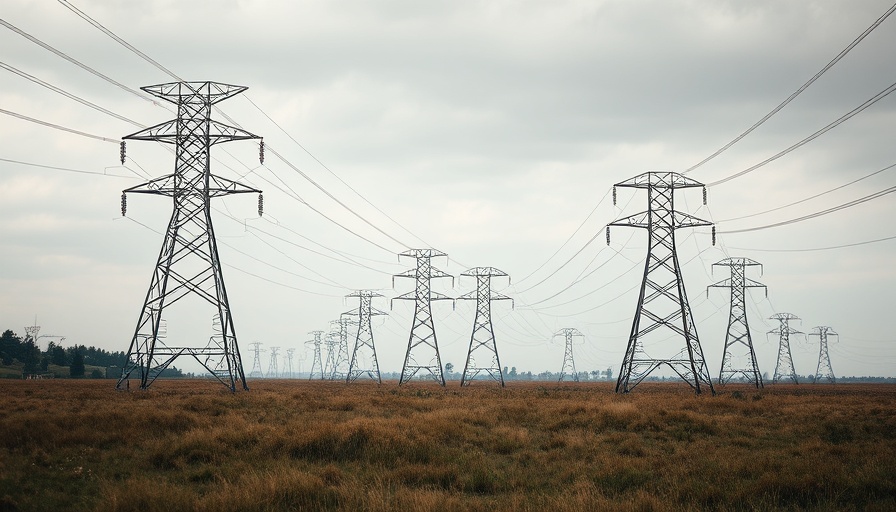
Electricity pylons symbolize Southern Africa energy crisis.

Southern Africa's Energy Paradox: Rich Resources, Critical Shortages

Southern Africa is endowed with abundant natural resources, yet it faces a significant electricity deficit that jeopardizes economic growth and sustainability. Despite being rich in hydroelectric potential, marked by developments like Cahora Bassa, the region’s electricity supply remains inconsistent and inadequate. This dichotomy poses critical questions: How can the region leverage its resources to boost energy security?

The Hydro Boom: An Untapped Goldmine

The remark that “hydro is the new gold” has gained traction in discussions about sustainable development in the region. Infrastructure such as the Cahora Bassa dam, which has been pivotal in generating electricity, underscores hydroelectric power's capacity to stabilize energy supply against the backdrop of emerging renewable technologies. By investing in and developing hydro assets further, Southern Africa could significantly enhance energy reliability, supporting not just local economies but attracting investment in tech sectors like IoT and renewable energy.

Energy Security: A Stepping Stone to Digital Transformation

With reliable electricity, the digital landscape could flourish. Executives and tech innovators would benefit from integrating technologies such as AI and cloud computing, which are highly dependent on stable power sources. Without addressing the power shortfall, advancements in automated processes, and the deployment of smart grids to boost the efficiency of energy consumption remain hindered. For instance, regions with robust energy sectors could turn into innovation hubs, enhancing their global competitiveness.

The Road Ahead: Investments and Policies for Change

Addressing the energy deficit requires substantial investment and a shift toward resilient governance. The Southern African Development Community (SADC) must prioritize energy policies that facilitate investment in hydro capabilities and maintenance of existing facilities. Additionally, incorporating public-private partnerships could streamline funding for necessary infrastructure improvements, which in turn could reduce dependency on traditional energy sources, pushing for a green transition.

Innovative Solutions: The Role of Tech Startups

The growing landscape of tech startups is essential for solving the energy crisis. Many entrepreneurs in the region are innovating in energy efficiency technologies and exploring blockchain solutions for energy distribution. Through collaborative platforms and enhanced connectivity, these startups can optimize energy management systems, paving the way for a modern energy economy.

Considering the Global Context: Lessons from Successful Models

Globally, regions that have successfully navigated energy challenges offer valuable insights. Nordic countries, with their focus on renewables and government-supported initiatives for energy innovation, serve as a practical model. Southern African leaders are encouraged to explore sustainable energy practices from these examples to enhance local energy solutions, particularly scaling up digital payments for energy services and smart devices that can smoothen energy consumption. Drawing from these international case studies, Southern Africa can reinvent its narrative from one of energy poverty to reliability and innovation.

Call to Action: Building a Sustainable Energy Future

Now is the time for executives and decision-makers to advocate for systemic changes that will lead to a sustainable energy future in Southern Africa. By fostering strategic alliances, investing in clean energy technologies, and promoting local startups, we can create a robust and dynamic energy market conducive to growth and innovation. It’s not just about secure energy—it's about building a future where technology and sustainability coexist, driving the region toward a digitally inclusive economy.

Business

19 Views

0 Comments

Write A Comment

*
*
Related Posts All Posts
12.04.2025

Navigating Upcoming Sugar Tariff Amendments: What Professionals Need to Know

Update Understanding the Upcoming Tariff Adjustments in South Africa As we approach 2025, significant amendments to the tariff schedules under the Customs and Excise Act of 1964 are poised to affect various industries in South Africa, particularly in the sugar sector. The planned adjustments will see the customs duty rate on sugar increase from 364.68c/kg to 436.38c/kg, as delineated in ITAC Minute 08/2025. The rationale behind these changes revolves around safeguarding local producers and maintaining market stability against globalization's intense competitive pressure. The Economic Rationale for Tariff Increases Tariffs have long been a crucial tool in a government’s economic toolkit, serving as protective measures for local industries. The impending increase in sugar tariffs is primarily designed to counteract the adverse impacts of cheap imports that can adversely affect local producers. This strategy is rooted in the necessity to shield South African sugar farmers from fluctuating global markets, which can lead to job losses and economic instability in rural areas. However, such increases are often met with mixed reactions from consumers and industries relying on sugar, which now face higher input costs. Leveraging Historical Context to Understand the Current Changes The backdrop to these tariff adjustments involves a history of fluctuating sugar prices and policies. South Africa's sugar industry has witnessed various levels of protectionism, which have been critical during crises. This historical perspective helps contextualize the 2025 amendments. As these changes unfold, parallels can be drawn with previous shifts in legislation aimed at protecting local industries from foreign competition. Understanding this context emphasizes the government's ongoing struggle to balance consumer interests with local production needs. Implications for Trade and Consumption With increased tariffs, stakeholders in the sugar industry must prepare for a transformed trading environment. For consumers, this could mean higher prices at the grocery store, while for producers, it might entail enhanced profit margins that can this afford investment in technology and innovation. On the flip side, negating the duty increases might result in renewed economic strain for consumers already grappling with the rising cost of living. Tariffs, while protective in nature, can create ripples throughout the economy. Global Perspectives and Domestic Adjustments: Finding Balance This tariff amendment is not happening in isolation. Globally, countries enact similar measures as they navigate trade agreements and protect their economies. For South African policymakers, it is crucial to monitor the broader global context to mitigate any adverse impacts of these local adjustments. This involves negotiating trade agreements that are mutually beneficial while ensuring that local industries remain competitive. Positive Outcomes and Future Considerations Despite potential downsides, there are optimistic outlooks for South Africa's sugar industry post-tariff adjustments. A bolstered local sugar market could lead to growth in employment opportunities and stimulate rural economies. Furthermore, these concrete steps toward self-sufficiency can buoy public sentiment and support among citizens, as local industries gain governmental support amid global challenges. For professionals and stakeholders in South Africa’s economic landscape, understanding and engaging with these amendments is essential. As we approach the finalization of these changes, it’s an opportune moment for debate and analysis regarding their broader implications for consumers and the economy itself. Like any public policy, comprehensive discussion and accountability in decision-making are paramount to ensure fair outcomes for all citizens. As the government prepares for the publication of these details in the Government Gazette, staying engaged in the discourse around tariff changes will be critical as 2025 approaches. Professionals must arm themselves with knowledge and insights to adapt to these developments proactively.

12.04.2025

Transforming Energy Procurement: How Open Access Energy Benefits Corporates

Update Breaking Away from Eskom: How Corporates Are Transforming Energy ProcurementAs South Africa grapples with spiking electricity tariffs and crippling load-shedding, large corporates have begun transitioning from traditional energy procurement methods to innovative alternatives that promise stability and sustainability. Eskom tariffs have climbed an astounding 937% since 2007, with load-shedding contributing a staggering R2.8 trillion loss to the economy in 2023 alone. In contrast to outdated practices, a growing number of businesses are now fostering strategic procurement methods that position energy not merely as an expense but as a vital strategic asset.The Role of Open Access Energy's Energypro PlatformOne of the pioneering technologies to emerge from this energy landscape is Open Access Energy's Energypro platform, an advanced digital procurement system designed to streamline the process of acquiring renewable electricity. Gerjo Hoffman, CEO of Open Access Energy, highlights that for the first time, large energy users can compare offers from a range of suppliers with clarity and ease. This escalation in transparency is crucial for informed decision-making, allowing corporations to thrive amidst escalating energy costs.The advent of wheeling—a mechanism that facilitates electricity purchasing from Independent Power Producers (IPPs) and traders—has provided a new pathway for securing renewable energy. Despite being legally sanctioned for years, the lack of a comprehensive platform has previously hindered widespread adoption. Now, Energypro acts as the game-changer, enabling corporations to standardize proposals and match them against historical consumption data, thus identifying the most favorable contracts rapidly.Opportunities for Cost Reduction and Risk MitigationFor corporates seeking to enhance their energy profiles, the potential for cost savings is compelling. Many have experienced substantial reductions in their energy expenditures by utilizing Energypro to compare different proposals. For instance, one company recently identified a cost-effective offer that not only undercut their tariffs from Eskom but also secured a stable renewable energy supply for the next decade. Conversely, another corporation discovered that the lowest initial bid was perilously laden with risk, which would have led to unforeseen costs during peak usage.The Shift Towards Sustainability and ESG ComplianceIn the context of increasing pressures for environmental, social, and governance (ESG) compliance, corporates have a dual incentive to act: financial prudence and social responsibility. Companies that engage in strategic energy procurement can significantly reduce their carbon footprints while bolstering their reputations among investors and customers who prioritize sustainable operations. The transition also aligns with broader objectives outlined in the Integrated Resource Plan (IRP), which envisions substantial increases in renewable energy integration into the national grid.Implications of Delaying ActionAs the energy landscape evolves, early adopters are positioned to garner immediate benefits while effective procurement strategies offer long-term advantages that can define a corporation's competitive edge for years. Unfortunately, many companies remain hesitant, clinging to antiquated contracts or fearing the complexities of a deregulated market. As the energy crisis looms—a projected shortfall of 4,000 to 6,000 megawatts—delaying action could result in missed opportunities for locking in favorable terms and mitigating future risks.Conclusion: A Call to Action for CorporatesSouth Africa's energy market is at a pivotal juncture. The shift to an open-access model invites businesses to rethink their energy strategies and embrace innovative technologies such as Energypro. With tightening supply chains and escalating tariffs, the urgency for companies to act cannot be overstated. It is now or never—seize the opportunity to transform energy procurement from a hindrance into a competitive advantage.

12.03.2025

How BASF Achieved Level One B-BBEE Status: A Model for Economic Empowerment in South Africa

Update BASF's Groundbreaking Achievement in South AfricaBASF has made history by becoming the first multinational chemical company to achieve Level 1 B-BBEE status in South Africa. This milestone, announced on December 1, 2025, is not just a corporate achievement; it symbolizes a commitment to transformation, economic empowerment, and sustainable practices within the community.Empowering Communities Through EducationCentral to BASF’s mission is the empowerment of black women and the fostering of youth in STEM (Science, Technology, Engineering, and Mathematics) fields. The initiatives include the BASF South Africa Trust, which provides bursaries to over 60 black female students pursuing degrees in chemistry and engineering. By investing in education, BASF is shaping a future where young talents, especially women, can thrive in industries traditionally dominated by men.Building a Diverse and Inclusive WorkforceWith 30% black women ownership through the BASF South Africa Trust, the company is making holistic progress toward a more inclusive workforce. This significant percentage reflects a broader trend in South Africa's corporate world - the drive for diversity and the necessity for significant representation.A Focus on Skill DevelopmentBASF's commitment to nurturing talent extends beyond financial support. The company offers technical training, leadership development, and internships. In the current cycle, they engage 15 graduates, and support 12 learners with disabilities. This comprehensive approach not only elevates individual career paths but also strengthens the workforce in South Africa.Creating Shared ValueThe essence of BASF’s Level 1 B-BBEE status is creating shared value. The company’s initiatives aim to build a resilient supply chain by investing in local, black-owned and women-owned businesses. Through training and technical support, BASF helps these businesses thrive, ensuring economic stability within the community.Support for Future GenerationsBy fostering an environment of learning and growth, BASF is not just working towards compliance with regulatory frameworks but is genuinely invested in societal progress. Their various programs - from empowering youth to enhancing local supplier capabilities - demonstrate the company's dedication to nurturing the next generation.Insights into the Broader ImplicationsThis achievement holds broader implications for corporate social responsibility in South Africa. As more companies strive to reach similar standards, the competitive landscape may shift, leading to increased pressure for proactive transformation initiatives. BASF’s example serves as a blueprint for others in the industry, underscoring the importance of investing in human capital.Why Education Equals OpportunityIn an age marked by rapid technological advancement, the importance of STEM education cannot be overstated. BASF's initiatives are vital in counteracting the skills shortages in these fields, promoting not just individual success but national economic growth. By uplifting young learners through proper educational frameworks, companies like BASF are directly contributing to South Africa's growth targets.Conclusion: The Path ForwardAs BASF sets the standard with its Level 1 B-BBEE status, it invites other companies to reflect on their roles in societal transformation. Investing in education, supporting local entrepreneurs, and championing diversity can lead to an inclusive, sustainable future. BASF's achievements are not merely a corporate milestone; they represent a powerful movement towards constructive change in South African society. Let's use their story as inspiration to foster a robust, educated, and empowered community.

Terms of Service

Privacy Policy

Core Modal Title

Sorry, no results found

You Might Find These Articles Interesting

T
Please Check Your Email
We Will Be Following Up Shortly
*
*
*