Add Row
Add Element
PR Africa: Your Gateway to Comprehensive African News and Insights
update
PR Africa
update
Add Element
  • Home
  • Categories
    • Entertainment
    • Automotive
    • Politics
    • Finance
    • Health & Fitness
    • Sports
    • Business
    • Cryptocurrency
    • Education
    • Fashion & Beauty
    • Home & Garden
    • Foreign Language News
    • Lifestyle
    • Real Estate
    • Religion
    • Science
    • Technology
    • Travel
    • News & Current Affairs
    • Crime & Safety
    • Arts & Culture
    • Environment
    • Food & Drink
    • Extra News
March 03.2025
3 Minutes Read

Trump's Pause on Military Aid to Ukraine: What This Means for Peace

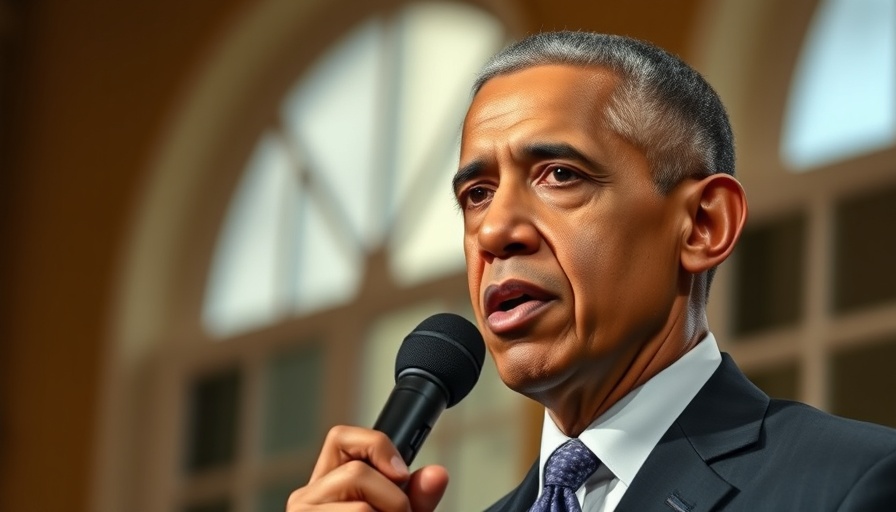
Former President discusses military aid to Ukraine.

The Unexpected Suspension of Military Aid

In a shocking turn of events, President Trump has temporarily paused military aid to Ukraine, amounting to over $1 billion, following a contentious meeting with Ukrainian President Volodymyr Zelensky. This decision, which reverberates through the corridors of international politics, marks a significant pivot in U.S. foreign policy during an already fraught period in the ongoing conflict with Russia.

A Breakdown in Diplomacy

The air was thick with tension during the confrontation between Trump and Zelensky. It was reported that Trump laid down an ultimatum: agree to a cease-fire with Russia or risk losing U.S. support entirely. This not only places immense pressure on Ukraine but also signals a stark shift in President Trump's approach to foreign alliances, favoring a more isolationist perspective as he seeks to define his legacy in global geopolitics.

Implications for Global Security

Trump's decision to suspend aid has heightened fears concerning Vladimir Putin's strategy in the region. If the suspension continues, analysts speculate that it could embolden the Kremlin to launch further territorial assertions, taking advantage of the vacuum left by diminishing Western support. In contrast, most NATO allies, including France and Germany, have pledged to reinforce their support for Ukraine, complicating diplomatic relations as the U.S. pulls back.

Reactions from Lawmakers and Allies

The ramifications of this suspension are palpable, with bipartisan concern surfacing among U.S. lawmakers. Republican Senator Susan Collins stresses that aid should not be paused, emphasizing Ukraine’s sacrifices in the conflict. However, Trump's defense of his position revolves around a rhetoric of ‘peace’, essentially attempting to shift the onus onto Ukraine for the continued violence.

The Stakes for Ukraine's Future

For Zelensky, the stakes could not be higher. He has sought assurances from Western leaders, making clear that a sustainable resolution to the conflict cannot happen without unequivocal backing from the United States. However, Trump's remarks indicate a possibility that relations between Kyiv and Washington could deteriorate significantly, especially as peace negotiations seem distant.

Local Impacts and Reflections

In South Africa, the implications of international diplomatic frictions resonate deeply given the nation’s historical context and focus on human rights. As South Africans observe the developments, many draw parallels between Ukraine’s struggle for sovereignty and local injustices linked to inequality and governance. There is a clear understanding that the dynamics of global power play into issues of local relevance such as economic recovery, human rights, and governance.

Looking Ahead: What Lies Beneath the Surface?

As this geopolitical drama unfolds, one cannot help but wonder about the long-term implications of Trump's 'peace-focused' rhetoric on democracy and alliances around the world. If the pause in military aid leads to greater instability in Ukraine, it could signal precedent-setting shifts in how the U.S. engages with its allies and adversaries alike.

The complex nature of international relations necessitates a closer examination of the motives and strategies at play, particularly from countries in Africa, which often find themselves at the mercy of such decisions. Observers must remain vigilant and engaged, exploring how these choices affect not just Europe, but the global order as a whole.

Politics
Facebook Twitter

19 Views

0 Comments

Write A Comment

*
*
Related Posts All Posts
01.28.2026

Revealing PetroSA’s R3.5 Billion Misallocation: A Deep Dive

Update PetroSA's Controversial Financial Maneuver: A Closer Look In a striking revelation, recent investigations by amaBhungane have brought to light alarming attempts by PetroSA to redirect R1.2 billion allocated for unemployed youth training towards fixing an offshore oil rig. This action raises serious concerns about accountability within South Africa's state-owned enterprises and the broader implications for the youth unemployment crisis. Exposing the Funding Crisis PetroSA, struggling under mountains of debt and operational inefficiencies, found itself seeking a R3.5 billion grant from the National Skills Fund (NSF), designed to uplift unemployed youth through training and education. Instead, the entity controversially attempted to siphon off funds to cover costs of infrastructure projects. This decision aligns with a broader pattern of financial mismanagement within PetroSA, reminiscent of the backdrop highlighted in the Unaccountable series where systemic corruption was uncovered. The Role of Political Players in Financial Misconduct At the heart of this scandal is Lawrence Mulaudzi, whose company Equator Holdings was embroiled in the funding negotiations. The joint venture raised alarms among stakeholders—recalling past incidents where political connections appeared to facilitate questionable financial dealings, leading to state capture. These incidents should teach us about the critical scrutiny necessary when taxpayer money is at stake. The Youth Unemployment Epidemic: A Call for Action Statistics South Africa reveals that a staggering 34% of young people aged 15 to 24 are neither employed nor in education or training. As universities reopen, thousands remain sidelined. The government's initiatives must be transparent and targeted, ensuring funds are utilized to genuinely support the youth. The blatant misuse of resources could intensify public distrust and highlight the need for a revised approach to youth engagement and economic opportunity. The Backlash from Civil Society and the Press The public outcry against this misallocation of funds has been widespread. Activists and civil society organizations have urged for accountability, demanding an end to corrupt practices that continue to undermine the nation’s prospects. The emerging financial scandals surrounding PetroSA underscore the importance of media scrutiny and citizen engagement in maintaining governance standards. Future Implications for Governance and Economic Recovery The fallout from this scandal could reshape the landscape of South African politics. As the ANC grapples with governance issues, the contrasting approaches of the Democratic Alliance (DA) and Economic Freedom Fighters (EFF) in advocating for accountability highlight divergent strategies to address corruption. Should systemic reforms and greater transparency be implemented, it might engender public confidence and participation, crucial for economic recovery. As we witness the complexities of governance in South Africa, it is critical that citizens remain informed and engaged. Continued reporting, such as that from amaBhungane, serves to hold public officials accountable and keep the conversation on corruption and governance alive. In tackling these issues, academia, policymakers, and civil society must collaborate to refine systems that serve the public good effectively. We must demand reforms that ensure taxpayer funding, like the NSF, is deployed in ways that genuinely uplift South Africa’s youth. As professionals and citizens, it is our responsibility to advocate for reform and transparency within our governance structures. Engage, inform, and act—our democracy relies on it!

01.27.2026

Venezuela's Interim Leader Declares Enough of U.S. Orders Amid Oil Pressure

Update The Evolving Landscape of Venezuelan SovereigntyIn a bold declaration, Venezuela’s interim president Delcy Rodríguez asserted that the nation has had "enough of US orders," suggesting a shift in the political climate amid external pressures. This pronouncement was made during an address to oil workers, reflecting the increasing dissent towards foreign influence in Venezuela's core economic sectors, specifically its petroleum industry. This critical intersection of national sovereignty and foreign investment dynamics warrants further analysis as Venezuela navigates its political future in an age of geopolitical tensions.In Venezuela has had enough of orders from Washington, says interim leader Rodríguez, the discussion dives into U.S. influence over the Venezuelan oil sector and its implications, exploring key insights that sparked deeper analysis on our end. Background: The Rise of U.S. Influence in VenezuelaThe U.S. has had a long-standing interest in Venezuelan oil, which holds some of the largest reserves globally. Following the capture of former president Nicolás Maduro, the interim government has faced immense pressure from Washington to open its economy to American investments. For many Venezuelans, this situation poses a question of national identity and autonomy, engaging in a broader discussion about the implications of external politics on domestic affairs.Social Impact: Why Venezuelans Are Saying Enough Is EnoughThis sentiment of resistance towards American directives is echoed across various sectors within Venezuela. Many citizens perceive the influence of foreign powers, particularly in economic matters, as a threat to their autonomy and sovereignty. The growing frustration among Venezuelans can be understood as a reflection of their desire for self-determination amidst an overwhelming foreign presence.Counterarguments: Diverse Opinions on U.S. InvestmentWhile Rodríguez’s stance resonates with national pride, there are voices within Venezuela cautioning against a complete rejection of foreign investment. Some economists argue that U.S. involvement could lead to revitalization in the oil sector, potentially alleviating some of the profound economic challenges Venezuela has faced in recent years. This highlights the complexity of the issue, where the desire for sovereignty must be balanced with economic realities.Current Events: Examining Recent Political DevelopmentsThe current political landscape is fraught with uncertainty as the interim government grapples with both internal dissent and external pressures. Following Maduro’s ousting, Rodríguez’s administration seeks to solidify its authority while navigating these turbulent waters. The implications of U.S. foreign policy on Venezuelan governance and the economy are underscored as other countries observe the unfolding events closely.Future Outlook: Predictions and Trends for VenezuelaAs Venezuela continues to face either demands for greater cooperation with the U.S. or a reclamation of its sovereignty, the future remains uncertain. Economic analysts predict that if the nation can strategically leverage its oil reserves without conceding to outside pressures, there may be a potential path toward recovery. The trajectory of Venezuelan governance may set precedents for how nations manage sovereignty in the face of global economic interdependencies.Why This Matters: The Global PerspectiveThe evolving situation in Venezuela not only highlights the struggle of a nation wrestling with foreign influence but reflects broader themes relevant to many states across Africa and beyond. Issues of autonomy, self-determination, and economic viability resonate universally, suggesting that nations will increasingly prioritize sovereignty while negotiating international relations. As developments unfold in Venezuela, observing how this interplay influences broader geopolitical landscapes will provide critical insights.Call To Action: Engage in the DialogueUnderstanding the implications of international relations on national sovereignty is crucial for informed civic engagement. As the conversation around Venezuela progresses, staying abreast of developments is vital for fostering a global understanding of these significant issues. Share your thoughts on how nations can maintain sovereignty while engaging with foreign investments in the discussion today.

01.27.2026

The Testimony of Modisenyane Segapo: A Crucial Moment for Accountability in North West Politics

Update Testimony Before the Ad Hoc Committee: A Turning Point for Accountability in North West Politics Tensions are rising in North West as Modisenyane Segapo, the former Municipal Manager of the Naledi Local Municipality, prepares to testify before an Ad Hoc Committee investigating allegations of misconduct against Premier Lazarus Mokgosi. This hearing, set to transpire on January 27, 2026, at the Sun City Convention Centre, is a critical moment in regional governance, especially amidst continuous concerns about accountability in localities across South Africa. Allegations and Implications: What’s at Stake? The allegations against Mokgosi stem from accusations made by Naledi Municipal Mayor Clifton Groep, who claims the Premier attempted to manipulate a report regarding Segapo's hiring. This incident occurred during Mokgosi's tenure as the ANC Chief Whip and is emblematic of broader issues of governance and political maneuvering that often plague South Africa’s administrative landscape. What makes this situation compelling is the response from Thabo Appolus, a former employee allegedly involved in the turmoil. Appolus has strongly refuted these allegations, emphasizing the necessity for a thorough examination devoid of preconceived notions. He stated, "There is no document that chairperson, Honourable Groep, will allege... that was tampered with, and therefore fraud was committed on this document," highlighting the need for integrity in investigative processes. The Political Landscape: Reactions and Ramifications The backdrop of this investigation is particularly vital when considering the political landscape heading into the 2024 general elections and the 2026 municipal elections. The dynamics of coalitional politics are in constant flux, and cases like this can influence voter sentiment significantly. High-profile testimonies often set the tone for public perception of transparency and accountability in governance. As the Democratic Alliance (DA) and Economic Freedom Fighters (EFF) position themselves as key alternatives to the ruling ANC amidst growing disenchantment, the outcomes of this hearing may embolden the opposition or further entrench the incumbent's claims of stability. Should allegations be substantiated, a ripple effect could be felt across multiple coalitions and party alignments. Looking Forward: The Future of Governance in South Africa The anticipated testimony by Segapo not only holds immediate consequences for Mokgosi but echoes louder calls for systemic public sector reform and tough anti-corruption measures. As South Africans prepare to vote, issues of service delivery, political integrity, and economic policy become focal points of discussion. Electoral reform discussions may gain traction if citizens feel that their legislative representatives are not adhering to the principles necessary for effective governance. The rising call for judicial independence and intellectual oversight over political entities could mark a pivotal change in how local governments operate in South Africa. Engaging with these issues now becomes imperative for responsible citizenry. Conclusion: A Call for Civic Engagement The testimony of Modisenyane Segapo is much more than a procedural formality; it is a reflection of the growing demand for accountability within our political systems. The developments in the Naledi case underscore the necessity for constituents to remain vigilant and proactive in engaging with their representatives in the face of looming elections. By participating in dialogue and supporting calls for enhanced oversight, citizens can ensure their voices are heard in shaping the future of governance in South Africa. In conclusion, we urge all constituents to stay informed and engaged as these critical hearings unfold. The path towards a more accountable and transparent political landscape relies not just on the individuals in power, but on the active participation of the very populace that elects them.

Terms of Service

Privacy Policy

Core Modal Title

Sorry, no results found

You Might Find These Articles Interesting

T
Please Check Your Email
We Will Be Following Up Shortly
*
*
*