Add Row
Add Element
PR Africa: Your Gateway to Comprehensive African News and Insights
update
PR Africa
update
Add Element
  • Home
  • Categories
    • Entertainment
    • Automotive
    • Politics
    • Finance
    • Health & Fitness
    • Sports
    • Business
    • Cryptocurrency
    • Education
    • Fashion & Beauty
    • Home & Garden
    • Foreign Language News
    • Lifestyle
    • Real Estate
    • Religion
    • Science
    • Technology
    • Travel
    • News & Current Affairs
    • Crime & Safety
    • Arts & Culture
    • Environment
    • Food & Drink
    • Extra News
January 20.2025
2 Minutes Read

Transforming Leadership Education: Trueness Project Partners with KNLS for Impact

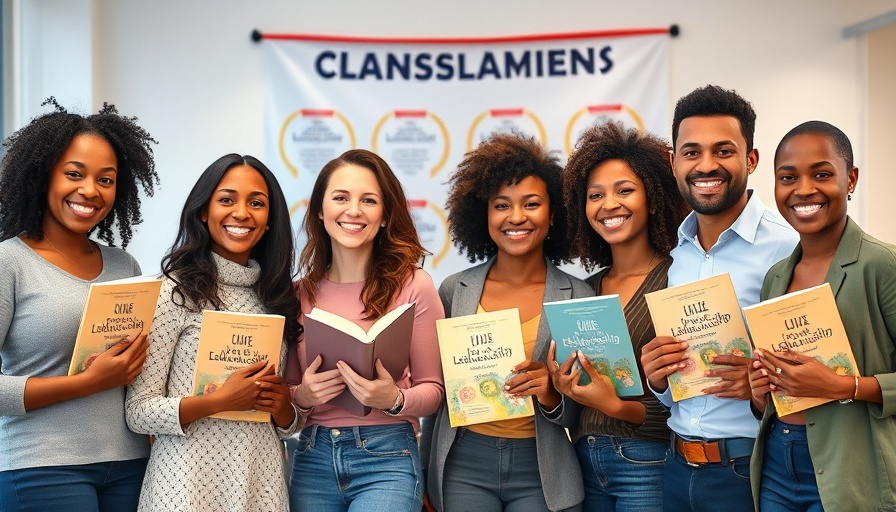
Group holding books on leadership education in an office.


Significant Partnership for Knowledge Dissemination

The Trueness Project's recent collaboration with the Kenya National Library Service (KNLS) marks a pivotal moment in the enhancement of leadership resources across Kenya. At a formal ceremony held at KNLS headquarters, officials from both organizations signed a Memorandum of Understanding (MoU), solidifying their commitment to equip Kenyans with the necessary literary tools for personal and communal growth. The partnership not only facilitates the donation of critical leadership books but also serves to address the educational gaps prevalent in many communities.

The Power of 'Think and Grow Rich'

To symbolically kick off this initiative, The Trueness Project donated 500 copies of the inspirational book "Think and Grow Rich" by Napoleon Hill. This iconic title, known for its profound insights into achieving personal success and fostering effective leadership, will be distributed across various libraries in Kenya. By doing so, The Trueness Project aims to inspire a new generation of leaders equipped to navigate the complexities of contemporary issues and societal responsibilities.

Empowering a Nation Through Education

Kenyans are poised to benefit immensely from this partnership, especially as the new resources will cultivate a culture of self-improvement and lifelong learning. The approach emphasizes the importance of accessibility to educational materials, ensuring that all citizens, regardless of their socioeconomic status, can equip themselves with the knowledge needed to drive change within their communities. Dr. Charles Nzivo, CEO of KNLS, expressed enthusiasm for this collaboration, highlighting its alignment with the library's mission to promote equal access to knowledge.

A Model for Future Collaborations

This initiative sets a precedent for future collaborations between nonprofit organizations and government bodies in Kenya. By focusing on educational enrichment and leadership, it also aligns with broader goals to foster accountability and transparency within communities. Such partnerships can prove instrumental in empowering populations, driving social change, and ensuring that leadership education is prioritized at all levels of society.

Impact on Local Libraries and Communities

The national initiative to enhance library resources is aimed at not just distributing books, but also at inspiring dialogue and nurturing a scholarly community. Local libraries will serve as centers for leadership development, as they provide the space necessary for group discussions, workshops, and learning events. The overarching goal is to equip every Kenyan with the tools to lead with integrity, creativity, and confidence.

The partnership between The Trueness Project and KNLS illustrates the importance of community-focused educational initiatives. By investing in leadership resources and promoting a culture of learning, both organizations are laying the groundwork for a more informed and involved citizenry. As this vital project takes root, it’s crucial to monitor its impact on individual and collective empowerment across Kenya's diverse landscape.


Education

16 Views

0 Comments

Write A Comment

*
*
Related Posts All Posts
01.09.2026

Countdown to Matric Results: How 2024's Pass Rates Reflect South African Futures

Update The Matric Results Countdown: A Closer LookThe anticipation grows as South African students eagerly await the release of their matric examination results. Scheduled for January 13, 2024, this date marks a pivotal moment for over 800,000 candidates across the country, including those from public and private schools, as they seek to understand their academic achievements and potential pathways ahead. Understanding the Statistics: National and IEB Pass RatesThis year's results bring significant attention to pass rates, with the national pass rate projected at 87.3%, a notable increase from the previous year's 82.9%. On the other hand, the Independent Examinations Board (IEB) maintains a high confidence level with a pass rate hovering around 98.47%. While the national figures may seem promising, education experts urge caution. As Professor Suraiya Naicker from the University of Johannesburg points out, these improvements must be viewed in context. "The numbers reflect an optimistic trend, but we must delve deeper to understand what these results truly signify about our education system and our students' readiness for higher education and the workforce.." The consistent upwards trajectory sparks hope yet raises critical questions about the differing educational contexts experienced by students. The Role of Education Reforms in Improving OutcomesRecent interventions in the South African education system emphasize foundational literacy and numeracy. Basic Education Minister Siviwe Gwarube noted that foundational learning in early grades is fundamental for attaining better outcomes in higher grades. Educators, like Professor Nadine Petersen, also express optimism regarding the Bela Act, which mandates Grade R's incorporation into the schooling system, ensuring children have access to early education. Such moves are seen as foundational steps in stabilizing the inconsistent educational landscape in South Africa. Pass Rates and Future Implications for StudentsHowever, the debate on the pass rates faces complexities, particularly concerning transparency regarding how many students can pursue further education. The reality of the job market and the qualifications required raise numerous questions. A year marked by increased performance does not inherently correlate to better job prospects. For instance, while the national average may show improvements, other barriers such as socioeconomic factors and institutional capacities heavily influence graduates' ability to integrate into effective career paths. Moreover, the 30% pass mark myth continues to circulate, misleading many about the qualifications for higher education. There is a strong argument that a more informed and educated public regarding educational requirements is necessary for lowering misperceptions about the education system. The Recommendations and Opportunities AheadMoving forward, experts like Mary Metcalfe emphasize the importance of data collection and analysis to connect efforts directly with student performance improvements. Without systemic evaluations, speculation can cloud the effectiveness of educational reforms in creating lasting change oriented toward student success. Furthermore, the growing trend in distance education via alternative schooling systems also raises the question of how inclusive our approaches to education can be. As indicated by Sacai's recent results—where remote learning candidates achieved a pass rate of 73.9%—there's potential for a significant shift in how education is accessed and valued. Societal Impacts: The Influence of Community StructuresRetention rates—currently at 63%—indicate that there are still serious systemic issues affecting student retention. Socioeconomic factors play a critical role in either promoting or hindering students' educational journeys. As Petersen remarks, family support structures are intrinsic to whether students reach their full potential in their schooling journey. Policies aimed at uplifting communities and enhancing access to educational resources will be crucial in crafting more equitable opportunities for youngsters. With the matric results soon to be revealed, the implications of these statistics will resonate throughout South African society. Stakeholders from government to communities must reflect on how these results symbolize the educational environment's triumphs and tribulations over the past year. With this knowledge, we must take action to support those in need, focusing on developing youth who can contribute to a better, more educated South Africa. As we prepare to receive the 2024 matric results and reflect on their implications, there lies a collective responsibility to bridge the gap between educational ability and opportunity. We must strive for inclusivity and uplift every learner in their journey to a successful future.

01.05.2026

How Continuous Learning Fuels Your Professional Power in 2025 and Beyond

Update Embracing Lifelong Learning as a Professional Asset In today's fast-paced work environment, where new technologies emerge daily, the journey of learning never truly ends. Returning to study is more than a personal endeavor; it is a transformative journey that reshapes your professional identity and equips you with the tools to lead effectively. Just as Mahlatse Ragolane highlights, personal growth initiated through education translates into improved confidence and sharper strategic thinking. Historical Context and the Need for Continuous Learning The concept of lifelong learning has gained traction over the years, particularly as industries have evolved. In past generations, a single degree often served as the ultimate ticket to career success. However, in our current climate, professionals are expected to adapt, grow, and continuously update their knowledge base to remain relevant. This historical shift illustrates the importance of considering continuous professional development as a necessity rather than a luxury. Personal Stories: The Power of Continuous Growth Reflecting on my own journey, I have seen firsthand how returning to study has reignited my passion for learning. After my formal education, life in the workforce quickly revealed the inadequacies of a static skill set. Witnessing colleagues thrive through adaptability drove my decision to pursue additional qualifications, not merely for the papers but to cultivate a mindset of growth that I once cherished as a student. This realization—echoed by Ragolane's exploration of dialogue between theory and practice—demonstrates that personal journeys impact professional landscapes. Future Predictions: Navigating a Dynamic Professional Landscape As we project into the future, we must recognize that while technology changes the game, emotional intelligence, critical thinking, and adaptability remain uniquely human skills. The advent of AI and other technological advancements means we need to focus on developing competencies that machines cannot replicate. Education acts as a bridge, enhancing our capacity to engage meaningfully with new paradigms. Practical Insights on Lifelong Learning Implementing informal learning practices can greatly benefit professionals. Engage in community discussions, share knowledge with peers, and participate in workshops that encourage inquiry-based learning. Such experiences offer practical knowledge and build collaborative skills crucial in today’s work environments. Exploring Diverse Perspectives: The Value of Continuous Education Understanding that growth is not a solitary endeavor allows us to appreciate different educational paths. Many professionals seek diverse insights from indigenous knowledge or international studies to bolster their respective fields. This exchange fosters innovation and cultivates a robust professional environment where collective learning drives success. Actionable Insights: Steps to Take Now To leverage continuous learning, professionals should actively identify opportunities for development—be it through formal programs or informal networks. Regularly assessing and updating your goals ensures you are aligned with your industry demands and personal aspirations. Start small; even a single new skill can begin a transformative journey. As we pursue our growth trajectories, let's remember that taking the initiative to learn continuously can shape our careers and enhance our contributions to the workplace. Prepare for the challenges that lie ahead, and leaping forward into lifelong learning could very well be the most beneficial decision.

01.03.2026

Unlocking the Future: How Animated Training Can Revolutionize Corporate Learning

Update The Rise of Animation in Corporate Training As the workplace evolves, so too do the methods by which we train and educate employees. A Belfast-based animation studio, Educational Voice, has recognized a significant shift: companies are moving away from traditional training methods and embracing animated video content. This strategic pivot is backed by research indicating that e-learning is projected to balloon into a $600 billion industry by 2029, with animated content at the forefront of this transformation. Engagement Through Animation: Why It Matters Animated training videos are not only visually appealing but also enhance engagement and retention. Studies reveal that individuals retain up to 60% more information when taught via visual media than through text-based approaches. Many organizations are grappling with disengaged employees who see typical training sessions as mere formalities rather than opportunities for growth. Animated content directly addresses this challenge, presenting information in an engaging and relatable manner. Consistency and Cost-Effectiveness of Animated Training One of the most valuable aspects of animated content is its consistency across diverse populations. From a single animation, every employee receives identical instruction, ensuring uniformity in onboarding, compliance, and procedural training. When considering cost, the economics favor animation; the upfront investment allows for an unlimited number of views by infinite users, resulting in long-term savings by slashing the need for recurring instructor-led sessions. Accessibility and Inclusivity in Animation The design of animated training content prioritizes accessibility, featuring elements like closed captions and audio descriptions. These features not only comply with regulatory requirements but also enhance learning outcomes for all employees. In multicultural workplaces, animations that incorporate visual storytelling transcend language barriers, making complex topics understandable to non-native English speakers. A Deep Dive Into Corporate Training Applications Educational Voice isn’t just about producing eye-catching videos; it tailors training content across various domains. Whether it's onboarding new hires, compliance training, product knowledge, or skills development, each animation aligns closely with learning objectives and audience demographics, ensuring relevance and resonance. The Future of Workplace Learning The future of corporate training lies in this trend towards animated content. As we consider the implications of remote and hybrid working models, the demand for engaging video resources will only increase. Organizations willing to adapt and invest in high-quality animated training can look forward to measurable improvements in employee performance, compliance, and overall workplace satisfaction. As Michelle Connolly, the Founder of Educational Voice notes, 'When training genuinely engages employees and improves performance, the return on investment speaks for itself.' It is clear that the transformative potential of animation’s role in shaping corporate training is just beginning to be realized. To explore how your organization can benefit from tailored animated training solutions, consider reaching out for an initial consultation with Educational Voice. Understanding where current training approaches fall short can lead to impactful improvements in employee engagement and retention.

Terms of Service

Privacy Policy

Core Modal Title

Sorry, no results found

You Might Find These Articles Interesting

T
Please Check Your Email
We Will Be Following Up Shortly
*
*
*