Add Row
Add Element
PR Africa: Your Gateway to Comprehensive African News and Insights
update
PR Africa
update
Add Element
  • Home
  • Categories
    • Entertainment
    • Automotive
    • Politics
    • Finance
    • Health & Fitness
    • Sports
    • Business
    • Cryptocurrency
    • Education
    • Fashion & Beauty
    • Home & Garden
    • Foreign Language News
    • Lifestyle
    • Real Estate
    • Religion
    • Science
    • Technology
    • Travel
    • News & Current Affairs
    • Crime & Safety
    • Arts & Culture
    • Environment
    • Food & Drink
    • Extra News
August 26.2025
3 Minutes Read

Transform Parenting: Raising Respectful Children with Gentle Approaches

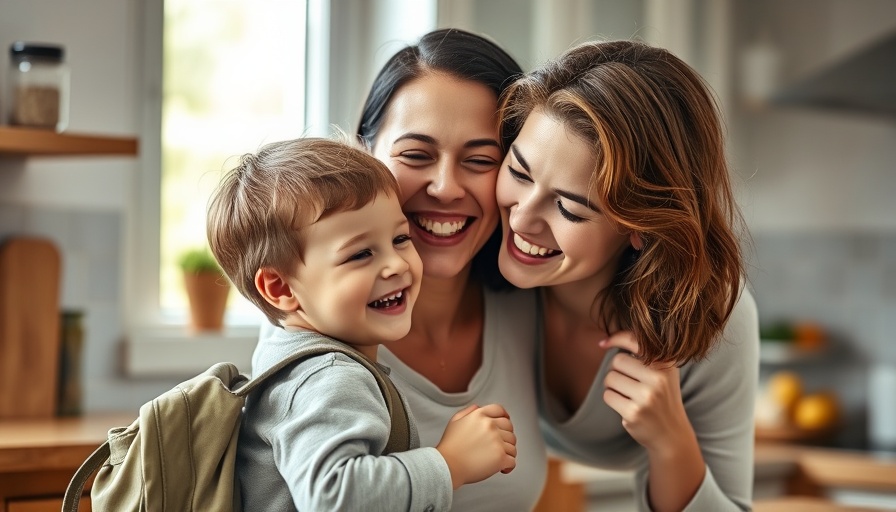
Gentle parenting moment in kitchen with smiling mother and child.

Teaching Respect Through Gentle Parenting

In a world rich with diverse opinions and approaches to parenting, there’s a quiet revolution happening in living rooms and playgrounds across South Africa and beyond. Gentle parenting, a philosophy rooted in empathy and connection, seeks to cultivate respect and kindness in children, fostering not only their emotional well-being but also their ability to navigate a complex world.

The Emotional Fireworks of Parenting

Parents often find themselves overwhelmed by the myriad of methods available for raising children. Between balancing discipline and nurturing, making parenting choices can feel daunting. Yet, it is vital to remember that children are attuned to their surroundings; they absorb lessons from daily interactions more than from verbal instructions. When parents embody the values of respect and kindness, they set the groundwork for children to follow suit.

The Ripple Effect of Connection

At the heart of gentle parenting lies the concept of connection. Children are social beings who thrive when they feel accepted and understood. By administering guidance that combines firmness with warmth—such as when a child expresses frustration over sharing—parents can illustrate the importance of empathy rather than instilling a fear of punishment. Through calm conversations and supportive gestures, parents help children learn from their emotional experiences.

From Learning to Living: Children as Observers

Children learn much more from observation than one-on-one lectures. It’s in fleeting moments—a parent calmly handling frustration in traffic or expressing gratitude to a cashier—that kids learn life’s most valuable lessons. They observe respect in action, which ripples into their own behaviors. Through modeling positive interactions, parents can teach their children to consider others’ feelings, fostering compassionate attitudes that manifest in everyday behavior.

Why Boundaries Matter

While gentle parenting emphasizes emotional understanding and empathy, boundaries remain a critical component. Children need clarity about acceptable behavior and responsibilities. However, imposing these boundaries doesn’t require aggression; rather, it can be communicated through respectful dialogues that encourage cooperation. Phrases like, “I can’t let you hit. Let’s talk about that,” become tools for fostering understanding while discouraging negative behaviors.

Celebrating Small Choices and Building Confidence

Giving children the autonomy to make choices—for instance, selecting a healthy snack or a book for bedtime—cultivates their self-worth. Knowing their opinions are valued empowers children to express themselves confidently. Each decision they make not only strengthens their voice but also equips them with the emotional resilience to address challenges in their lives.

Success Stories of Gentle Parenting

Success stories of gentle parenting practices are increasingly common at educational establishments like Dibber, where children transition from struggling with social interactions to thriving in their environments. For example, former shy children have begun to make connections with peers, demonstrating that nurturing respect and kindness results in positive social behaviors.

Cultural Reverberations: A Broader Perspective

As we navigate through an era marked by rapid changes in entertainment, technology, and social interactions—from TikTok challenges to the streaming prowess of platforms like Netflix South Africa—gentle parenting remains relevant. It transcends cultural boundaries, reminding us that respect and kindness are universally valued traits. This cultural undercurrent resonates not just in our homes but also in recreations—from live music festivals to communal events celebrating Africa Day. They embody the principles we implement in our homes.

The Path Forward

As parents, educators, and community members advocate for gentle parenting, they embrace a vision of raising future generations equipped not only with knowledge but with the critical emotional intelligence needed in the modern world. This approach shall bear fruit, cultivating a society where kindness and empathy prevail.

So, for those navigating the colorful chaos of parenting, remember: you are not alone. Embracing gentle parenting and its core principles will not only ease your journey but significantly impact the trajectory of the children you nurture. The future depends on it.

Education

25 Views

0 Comments

Write A Comment

*
*
Related Posts All Posts
01.17.2026

Packing for Success: The Impact of Early Learning on a Child’s Future

Update The Hidden Power of a Child’s Backpack As children across the globe embark on their educational journeys, their backpacks become symbols of so much more than school supplies. In a classroom in Tokyo, a child zips up a bag filled with crayons, while across the world in Cape Town, another child has their own version of the same ritual. But here’s the essence: while the outsides of their backpacks may look alike, what these bags are filled with can differ drastically. The contents often reflect the experiences and opportunities children have encountered before stepping into a classroom—experiences that can influence their futures significantly. Investing in Early Childhood Development: A Foundation for Success According to UNICEF, the early years are pivotal for building a child’s brain, with over a million neural connections formed each second. This critical phase lays the groundwork not just for academic success but for emotional health and social skills. Children who start school with a robust foundation are better equipped to thrive in both their personal and academic lives. As highlighted in recent discussions surrounding Early Childhood Development (ECD), laying the correct foundations will prepare children for various challenges that arise throughout their educational journeys and beyond. The South African Context: A Call for Change In South Africa, the need for a more equitable approach to early learning is urgent. Many children arrive at educational settings from under-resourced backgrounds where they might lack exposure to language-rich environments or community support systems that bolster learning. As emphasized by Theresa Michael from Afrika Tikkun Bambanani, ensuring children carry more than just school supplies into these settings is a collective responsibility. By investing in ECD, we are not simply preparing children for immediate academic tasks; we’re determining the custodians of our future society who will build communities and drive growth. The Global Shift: Learning vs. Testing Countries around the world are reframing their educational strategies. The focus is shifting away from strict testing and towards fostering a love for learning through play-based and enquiry-driven methods. For example, progressive education systems now advocate for emotional literacy and personal connections over rigid, compliance-driven frameworks. This principle is already alive in many ECD centers in South Africa, where educators prioritize building resilience and social skills over ticking educational boxes. It’s a refreshing revitalization of what ECD can and should look like on a global scale. Empowering Parents and Caregivers Parents play a vital role in their children's development. The importance of parental engagement cannot be overstated—whether it’s through reading together, engaging in play, or offering emotional support. By empowering families with resources and knowledge about how to nurture a child's growth, we can fill those backpacks with the essentials needed for a bright future. As emphasized in articles from Milestones Psychology and UNICEF, providing tools and materials for parents is crucial in overcoming barriers faced by children entering schooling. Actionable Insights: What You Can Do For parents and educators alike, this knowledge comes with the responsibility of taking actionable steps. Whether it’s advocating for better resources in impoverished communities or integrating inclusive teaching strategies, every effort counts. Schools and families can work together to ensure all children have the tools they need, from STEM education initiatives to curriculum reform that emphasizes student engagement over rote learning. In this way, we can all contribute to packing those backpacks full of what truly matters—confidence, curiosity, and connections. Conclusion: A Future Worth Investing In The image of a child’s open backpack serves as a powerful reminder of the future we are shaping through our current practices. As the global community rallies around the message of educational equity, it's important to understand that every child, regardless of their background, deserves the chance to carry their dreams and hopes into their futures. By focusing on comprehensive ECD interventions, we are not just preparing children for the next level of education; we are setting the stage for an inclusive, resilient society.

01.16.2026

Discover How 'The Structure of Perseverance' Empowers Professionals

Update Stanley Slaczka's Journey to Inspiring Others In a world where numerous voices compete for attention, Stanley Slaczka emerges as a beacon of resilience and structured thought. His recently released book, The Structure of Perseverance, encapsulates his rich experience as a former U.S. Army member and an award-winning author. With accolades including the Global Book Awards silver award in the Education and Reference category and recognition as a finalist for the Best Personal Development Author in New York of 2025, Slaczka’s work resonates deeply with those striving to overcome life’s challenges. The Framework of Perseverance Explored Slaczka’s book provides a much-needed framework that emphasizes structured thinking over traditional narrative storytelling. It moves beyond mere motivational rhetoric to deliver actionable insights that help readers confront obstacles, engage with their environments, and foster meaningful change in their lives. By focusing on concepts that are systematic and relatable, Slaczka empowers individuals who may feel marginalized by conventional educational systems. Breaking Down Barriers to Success With the aim to democratize personal development, The Structure of Perseverance offers practical methodologies for those who struggle with feeling overlooked or under-equipped to navigate life’s complexities. Slaczka asserts that many individuals possess inherent potential but lack the structured approach necessary to harness it. This advocacy for clarity, combined with a well-defined system, allows readers to reclaim agency over their circumstances. Recognitions Reflecting Impact and Importance The book’s recognition at the International Impact Book Awards underscores its relevance in the contemporary discourse of education and personal development. The award evaluates submissions based not just on literary merit but also on their ability to spark dialogue and contribute positively to societal change. In a time when many feel alienated by traditional avenues of learning, Slaczka’s work offers a lifeline. It provides tools necessary for achieving a more profound understanding of one’s environment and self. The Connection Between Education and Empowerment The overarching theme of Slaczka’s work isn’t just about individual perseverance but also about the societal frameworks in which this perseverance must operate. In platforms where education is often equated to privilege, The Structure of Perseverance democratizes access to knowledge, aiming to empower individuals from all walks of life. This necessity is especially poignant in today’s world, where disparities in education correlate directly with socioeconomic challenges, widening the gap between those that succeed and those that struggle. The Role of Environmental Influence It is crucial to understand how both physical and social environments impact individual growth. Slaczka adeptly explores this factor by examining the interplay between external influences and personal choices. The framework presented in his book is built not merely upon self-improvement but also on recognizing and strategically engaging with one’s surroundings. This understanding is essential for driving educational reform and broader social change concerning issues like inequality, systemic barriers, and societal expectations. Future Outlook and Call to Action As the discussion around the book unfolds, there lies a significant opportunity for individuals, educators, and institutions to implement principles from The Structure of Perseverance into everyday learning environments. Engaging with Slaczka’s insights forms part of a larger conversation on tackling educational disparities, transformation, and empowerment that aligns with contemporary challenges across varying demographics. Readers should contemplate how these lessons can be applied in their lives and communities, fostering a culture where perseverance is recognized as a shared value rather than an individual struggle. To learn more about the framework and insights that promise to reshape how we understand perseverance and resilience, consider diving into Slaczka’s authoritative guide.

01.15.2026

LearningMole's 19 Million Views: Transforming Global Education Access

Update LearningMole's Global Impact: Bridging Educational Gaps LearningMole, a free educational YouTube channel birthed from the innovative spirit of Belfast’s animation studio Educational Voice, has achieved a remarkable milestone, amassing 19 million views across 198 countries. This astonishing reach emphasizes not just the demand for quality educational content but also the ability of digital platforms to transcend geographical and socioeconomic barriers. Michelle Connolly, the founder, articulates a vision of inclusivity: "We wanted to create content any child could access, regardless of where they live or what their family can afford." The Statistics Behind the Inspiration Since its inception in 2017, LearningMole has built an impressive following, garnering over 261,000 subscribers and delivering nearly half a million hours of educational videos focusing on subjects ranging from STEM to financial literacy. These statistics resonate powerfully when we consider that over 90% of the channel's viewers hail from outside the United Kingdom, illustrating the universal appeal of its offerings. This robust engagement reflects an urgent global narrative around accessible education, especially in regions where traditional educational resources are scarce. Assessing the Global Landscape of Education The channel’s most significant audiences stretch across the English-speaking world, including the United States, Canada, Australia, and New Zealand, and even into countries where English is a second language such as India, Nigeria, and the Philippines. The digital age permits a child in Manila to comprehend coding principles through a vibrant video made in Belfast. This reflects a critical shift in educational paradigms, challenging assumptions about where high-quality learning resources can originate. Viewing Challenges and Opportunities As LearningMole continues to grow, it faces challenges that include the need for content localization, the balancing of educational standards across diverse cultures, and the necessity of adapting to various internet accessibility levels. However, it fundamentally offers an opportunity to advocate for policy changes that support digital education initiatives worldwide. Educational content without borders means that children, regardless of their socio-economic context, have a potential pathway to empowerment through knowledge. The Role of Technology in Education The intersection of technology and education is underscored by LearningMole’s success, showcasing how platforms that leverage digital mediums can alter educational landscapes. The channel’s reach demonstrates a collective demand for accessible educational content amid a broader conversation surrounding topics from racial reconciliation to economic empowerment and democratic engagement. During a time when many traditional educational systems face scrutiny over their effectiveness, LearningMole serves as a beacon for innovation. Insights to Take Action As we witness the growth of platforms like LearningMole, it urges all stakeholders in education—governments, NGOs, and private sectors—to prioritize sustainable educational resources that ensure equitable access. Professionals engaged in educational policy should consider leveraging this model to advance initiatives focusing on affordability, accessibility, and quality. The lessons learned from LearningMole’s success can guide policies towards achieving real progress in these areas. Conclusion: The Call to Embrace Inclusive Education The journey of LearningMole illustrates a powerful story of educational equity awaiting global leaders to recognize and act upon it. Professionals across various sectors should actively champion similar initiatives, striving to dismantle barriers to education and foster a global environment where knowledge is both accessible and equitable. Collective action based on insights from LearningMole can inspire meaningful change that uplifts marginalized communities.

Terms of Service

Privacy Policy

Core Modal Title

Sorry, no results found

You Might Find These Articles Interesting

T
Please Check Your Email
We Will Be Following Up Shortly
*
*
*