Add Row
Add Element
PR Africa: Your Gateway to Comprehensive African News and Insights
update
PR Africa
update
Add Element
  • Home
  • Categories
    • Entertainment
    • Automotive
    • Politics
    • Finance
    • Health & Fitness
    • Sports
    • Business
    • Cryptocurrency
    • Education
    • Fashion & Beauty
    • Home & Garden
    • Foreign Language News
    • Lifestyle
    • Real Estate
    • Religion
    • Science
    • Technology
    • Travel
    • News & Current Affairs
    • Crime & Safety
    • Arts & Culture
    • Environment
    • Food & Drink
    • Extra News
March 29.2025
2 Minutes Read

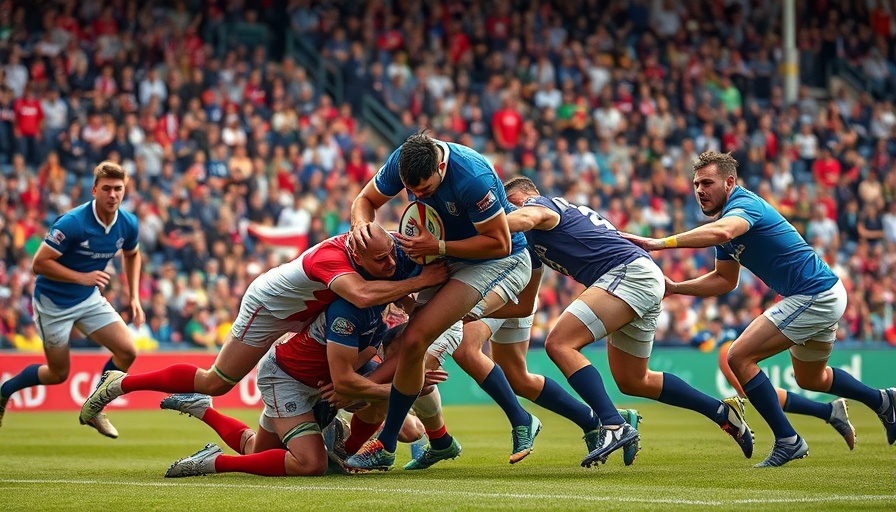
Sharks’ Sloppy Errors Cost Them Against Leinster: What Can They Learn?

Intense rugby action showcases Sharks handling errors.

The Sharks' Sloppy Performance: Lessons Learned

In a thrilling yet frustrating match, the Sharks fell short against Leinster, losing 10-7 at Kings Park. Despite dominating possession, 12 handling errors and multiple turnovers proved fatal for the home side. They began the game trailing 5-0 at halftime, with their opponents striking first through a try from replacement Henry McErlean. Unfortunately, a yellow card shown to scrumhalf Jaden Hendrikse for cynical play played a pivotal role, leaving the Sharks a man down and contributing to their sloppy gameplay.

Analyzing the Match: Key Mistakes

The conditions during the match were humid, which affected both teams but notably hindered the Sharks' flow. They were able to respond in the second half with a try from hooker Bongi Mbonambi after a lineout drive, which saw the score narrow down to 10-7 after a successful conversion from flyhalf Jordan Hendrikse. However, tactical changes made by Sharks head coach John Plumtree—such as swapping out his all-Springbok front row—failed to reverse the match's momentum.

The Importance of Discipline and Precision in Rugby

A lack of discipline was at the forefront of the Sharks' defeat. The misfiring lineouts from substitute Fez Mbatha stalled opportunities for the Sharks to regain control of the match. With time winding down, Captain Siya Kolisi's choice to forgo a game-tying penalty kick in favor of aiming for a corner instead was too risky and ultimately did not pay off. Rugby is a game that rewards precision and control—elements the Sharks struggled with throughout the match.

Opportunities Amidst Defeat: A Look Ahead

While the Sharks' loss was a setback, it's essential to analyze this performance and extract valuable lessons. The upcoming rounds of the URC will be critical as the team eyes playoff spots, currently sitting in fourth place. They will need to avoid such costly errors and focus on sharp execution in their next matches. Players and coaches alike must take this loss as an opportunity for growth and improvement.

Navigating the Road to Redemption

The Sharks face several tough opponents in the coming weeks, which provides an immediate chance for them to demonstrate improvements. Emphasis on training precision, tackling technicalities, and maintaining composure, especially under pressure, will be vital. As they prepare to bounce back, it's also crucial for fans to rally behind the team, supporting them through this challenging period.

A Community Bonded Through Rugby

Rugby is significantly integral to South African culture, and the players have a responsibility not just to win but to uplift their communities through their sport. Figures like Siya Kolisi and Bongi Mbonambi are inspirations, showing younger athletes the spirit of resilience. As supporters of the Sharks anticipate the next game, they should carry forward hope and the belief that their team can overcome hurdles, restore pride, and work toward victories in future matches.

Sports

23 Views

0 Comments

Write A Comment

*
*
Related Posts All Posts
12.24.2025

Bulls Axe Coaches Amid Losing Streak: What This Means for Rugby’s Future

Update The Kaliber Shift: Bulls' Coaching Changes Signal Urgent Revitalization In a bold statement reflecting their commitment to excellence, the Vodacom Bulls have taken decisive action by dismissing assistant coaches Andries Bekker and Chris Rossouw after a disheartening five-game losing streak. Their departure underlines the gravity of the situation post-Johan Ackermann's appointment as head coach, a move that followed the exit of Jake White earlier this year. With immediate effect from December 2025, this coaching shakeup signals a pivotal moment in the quest for the franchise's revival. Historical Context and Current Dynamics The Bulls' decision echoes historical precedents in sports where teams are rejuvenated through radical changes in their coaching staff. Over the years, teams across various sports have shown that a fresh perspective can reignite a flagging season, making the swift move by Bulls management a calculated risk in pursuit of their Super Rugby goals. In a competitive sporting arena, results matter. The lateness of the season exacerbates tensions; thus, the urgency for immediate rehabilitation is palpable. Players' Sentiments: Hope and Anxiety For players, the end of a coaching tenure often brings mixed emotions. While some athletes may feel a surge of hope for improved tactics and morale, others might face anxiety over their positions within the team. Indeed, the coaching changes can shift the dynamics within the squad, as they question their future roles under a new system. This sentiment resonates particularly with fans and athletes alike, particularly in a culture as rich and competitive as South African rugby. Future Predictions: Seeing Change Take Shape Looking ahead, the Bulls' impending match against the high-flying Stormers on January 3, 2026, serves as an immediate benchmark for the effectiveness of these changes. With Ackermann potentially taking control of forward techniques and new back coaching candidates being evaluated, the game could represent both a challenge and an opportunity for the Bulls to show signs of recovery. A resilient performance could signal to fans and analysts that this strategic overhaul may be the catalyst needed to return to competitive form. A Collateral Impact on Local Rugby Culture The seismic shift within Bulls' coaching staff transcends mere tactical adjustments; it embodies a broader narrative vital for nurturing South African rugby's culture. The Bulls, as a flagship team in the league, influence club levels and youth development programs across the country. Their pursuit of excellence stands to invigorate the rugby landscape, compelling other clubs to examine their own coaching frameworks and reputations. This interconnectedness highlights that developments at the elite level signify longer-term implications for player motivation and the thriving sports culture. Conclusion: Charting A New Course The events unfolding within the Bulls organization reflect an archetypal sports narrative—change, hope, and the relentless pursuit of success. As the team wrests control of its immediate destiny, the focus pivots from internal turmoil to a hopeful vision of redemption. Engaging with the next match against the Stormers may ensure not just a game played, but a narrative rich with potential: one of revival, resilience, and community. As fans and followers of the sport, we can engage with this story by rallying support on match day and celebrating the foundation of what South Africa's rugby stands for—unity and relentless teamwork.

12.24.2025

Bafana Bafana's Lyle Foster Prioritizes Team Victory Over Personal Awards

Update Foster Puts Team Before Individual Glory In a spirited display showcasing team spirit, South African striker Lyle Foster made a pivotal statement following his performance in Bafana Bafana's opening match at the Africa Cup of Nations (AFCON). Despite earning the Man of the Match award in a hard-fought 2-1 victory over Angola, Foster emphasized that securing maximum points for his team was far more satisfying than individual accolades. “It’s a nice trophy, but most importantly we needed the three points today,” he shared in his post-match remarks, underlining the importance of teamwork over personal recognition. Historic Victory Against Angola This win marks a significant turnaround for Bafana Bafana, who had previously experienced a six-game winless streak against Angola. A crucial outcome at the Grand Stade de Marrakech not only boosts morale but also places South Africa in a competitive position in Group B of the tournament alongside Egypt, who also recently secured a 2-1 win against Zimbabwe. The match unfolded dramatically, with Foster's decisive strike in the 79th minute clinching key points for his country. The Importance of Team Unity The Bafana Bafana’s coach, Hugo Broos, has instilled a fresh sense of unity among the players, emphasizing that the national team must prioritize collective goals. Foster’s comments reflect a broader sentiment resonating across all sports disciplines in South Africa, from rugby with the Springboks to cricket featuring the Proteas. This spirit of teamwork is seen as essential for success at international competitions. Emotional Journey Beyond the Game Foster's journey embodies a deeper narrative shared by many athletes in South Africa, who strive not only for victory on the field but also for broader societal impact through their successes. The pressure of expectations weighs heavily on athletes representing a country rich in sporting tradition. Foster’s humility amidst personal achievement is a reminder of the sacrifices athletes make and their responsibilities as role models, particularly in a country where sports serve as a source of national pride and cultural identity. Future Predictions for AFCON 2025 Looking ahead, the momentum gained from this victory could propel Bafana Bafana into the later stages of the tournament. With upcoming matches against formidable opponents, the players must maintain their focus and teamwork to keep pace in a highly competitive environment. Stakeholders and fans alike are hopeful that this season's performance may rally a new generation of talent and instigate renewed enthusiasm for football in South Africa. The Broader Context of Sports in South Africa As Bafana Bafana shines in AFCON, it's crucial to reflect on the larger sports culture in South Africa, with athletes across disciplines such as the rugby legends of the Springboks, cricket's Proteas, and emerging stars in athletics and swimming making strides. The recent successes of Caster Semenya and Wayde van Niekerk in global competitions provide additional ignition for aspiring athletes. Through collective success, these individuals foster a sense of unity and hope among South Africans. Join the Conversation As South Africa continues its campaign in AFCON 2025, fans are encouraged to rally behind the team. This engagement is pivotal, not only for encouraging athletes like Lyle Foster but also for fostering a collective identity in a nation renowned for its sporting prowess. Let’s unite in supporting our talents and celebrate the incredible stories that unfold on this grand stage.

12.22.2025

Rugby Brain Injury Claim Setbacks: What It Means for Player Welfare

Update Understanding the Legal Landscape of Rugby and Brain InjuriesIn a significant development, hundreds of former rugby players are facing a setback in their quest for justice regarding brain injuries sustained during their playing careers. The legal battle, which targets major rugby governing bodies such as World Rugby and the Rugby Football Union (RFU), stems from allegations that these organizations failed to protect them from repeated head impacts. The players argue that this negligence has led to serious long-term neurological conditions, including early-onset dementia, Parkinson's disease, and epilepsy.The crux of the issue lies in a recent ruling that has implications for how these claims are handled in court. Justice Dexter Dias ruled that the players' lawyers must disclose comprehensive medical records, a decision that the players’ representatives criticized as disproportionate and burdensome. Nevertheless, this ruling underscores the persistent challenges former players face in their pursuit of accountability within the sport.The Ripple Effect: Why Player Welfare MattersThe ongoing discourse around player welfare extends beyond individual cases; it taps into the very fabric of rugby culture. Former players, like Steve Thompson, who became a face for this issue after revealing his struggles with cognitive decline, have opened the floodgates for similar claims. Their experiences highlight a critical gap in how the sport manages head injuries and the subsequent effects on athletes' health. This broad concern signals a need for systemic changes in rugby's governing frameworks to prioritize player safety.The Broader Context: Rugby's ResponsibilityThe claims against governing bodies are indicative of a larger narrative in contact sports. Organizations are becoming increasingly scrutinized for their roles in protecting players, particularly regarding concussions and their long-term effects. As athletes enter earlier contact sports at younger ages, the urgency for developing clearer protocols about managing head injuries has never been more pressing.Lessons from Other Sports: Time for Change?Rugby can look to other sports facing similar challenges. For instance, American football has undergone an evolution in its approach to concussion protocols in response to lawsuits brought by former players. These conditions are not isolated, and the lessons learned could serve as a framework for rugby to enhance its player welfare initiatives. Evolution of rules and increased awareness are paramount in safeguarding the future of athletes across various sports.Future Predictions: What Lies Ahead?As the rugby community navigates these murky waters of litigation, its response will likely shape the sport's reputation and ethics for years to come. If the players succeed, it could establish legal precedents that compel governing bodies to adopt more stringent safety measures. Alternatively, if the appeal process favors these organizations, it may result in fewer accountability measures, potentially putting athletes at risk.Call to Action: Advocating for ChangeThe impact of head injuries in rugby is an issue that transcends individual experiences and claims. It’s a clarion call for all stakeholders—from players to fans—to advocate for more robust protective legislation within the sport. Engaging in discussions about player welfare and supporting legal movements can help raise awareness and push for the changes necessary to protect athletes. Let's ensure that those who take the field are prioritized, not just as players but as individuals with lives beyond rugby.

Terms of Service

Privacy Policy

Core Modal Title

Sorry, no results found

You Might Find These Articles Interesting

T
Please Check Your Email
We Will Be Following Up Shortly
*
*
*