Add Row
Add Element
PR Africa: Your Gateway to Comprehensive African News and Insights
update
PR Africa
update
Add Element
  • Home
  • Categories
    • Entertainment
    • Automotive
    • Politics
    • Finance
    • Health & Fitness
    • Sports
    • Business
    • Cryptocurrency
    • Education
    • Fashion & Beauty
    • Home & Garden
    • Foreign Language News
    • Lifestyle
    • Real Estate
    • Religion
    • Science
    • Technology
    • Travel
    • News & Current Affairs
    • Crime & Safety
    • Arts & Culture
    • Environment
    • Food & Drink
    • Extra News
January 21.2025
2 Minutes Read

Scotland Faces Tough Start to Six Nations After Key Injuries

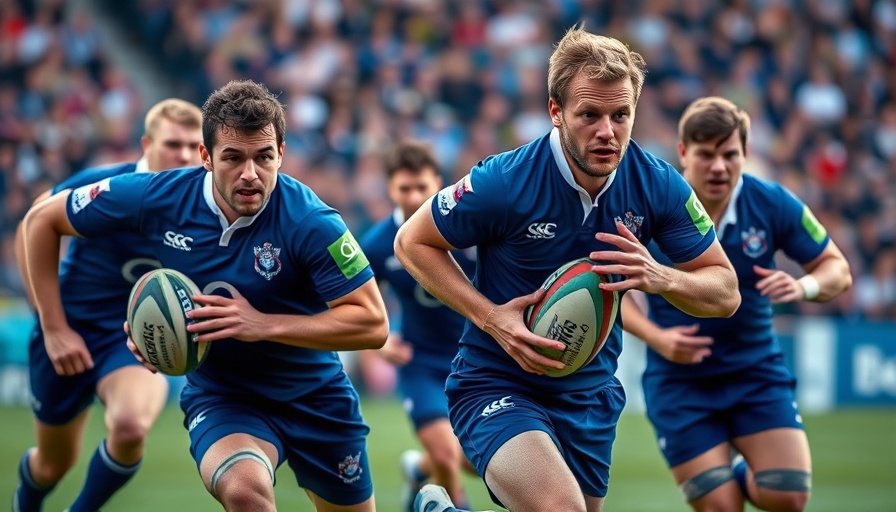
Scotland rugby players in action on the field, intense match scene.

Scotland's Six Nations Journey Begins with Unforeseen Challenges

Scotland’s rugby team is gearing up for the upcoming Six Nations tournament, slated to kick off against Italy in Edinburgh on February 1. However, recent player injuries have sparked concern within the squad, prompting head coach Gregor Townsend to make strategic adjustments. With injuries to key players, including Duhan van der Merwe and Dylan Richardson, Scotland faces steep challenges ahead.

Injury Woes Hit Scotland Hard

Duhan van der Merwe, known for his explosive performances on the pitch, is currently sidelined due to an ankle injury. He has yet to return to full training, leaving Townsend no choice but to call up young talent Arron Reed to join the Six Nations squad. This decision illustrates the current depth and versatility needed for a competitive edge during such a prestigious tournament.

“We’ve called Arron Reed into the squad and he’ll be training today,” Townsend stated, underscoring the urgency caused by van der Merwe's condition. The injuries don’t stop there; Dylan Richardson has also been ruled out due to a shoulder injury, further complicating Scotland’s roster ahead of their first match.

Strategic Planning Amidst Setbacks

Despite these setbacks, Townsend remains confident about the team's preparation and strategy for the Six Nations. He has emphasized the importance of managing training sessions to avoid further injuries. “We don’t see any problems for next week, but it might still need to be managed in training,” he said, indicating a careful approach to ensure players are fit and responsive.

Moreover, the coach has determined that there’s no need to call up another hooker despite Richardson’s absence due to having retained four in the squad prior to the injuries. This highlights a focus on maintaining balance and resource management as they prepare the team for the upcoming challenges.

The Impact of Squad Depth on Performance

As teams gear up for this level of competition, squad depth becomes crucial. Scotland has had to adapt swiftly, with players manning different positions to preserve unit coherence. This flexibility is essential, especially when unexpected injuries disrupt initial plans. Townsend’s decision reflects his strategic mindset in maintaining functional training sessions, optimizing each player’s strengths while adjusting their roles on the fly.

Looking Ahead: The Road to the Six Nations

With the Six Nations on the horizon, Scotland's performance will hinge significantly on how well they mitigate the impact of these injuries and integrate new players like Arron Reed into their gameplay. Fans and athletes alike are eager to see how the team will adapt to these challenges and whether they can rally to achieve their objectives in this high-stakes tournament.

As we await the start of the tournament, one thing is certain: the resilient spirit of Scotland’s rugby team will shine through, with hopes high for a dynamic and fiercely competitive outing.

Sports

10 Views

0 Comments

Write A Comment

*
*
Related Posts All Posts
12.22.2025

Rugby Brain Injury Claim Setbacks: What It Means for Player Welfare

Update Understanding the Legal Landscape of Rugby and Brain InjuriesIn a significant development, hundreds of former rugby players are facing a setback in their quest for justice regarding brain injuries sustained during their playing careers. The legal battle, which targets major rugby governing bodies such as World Rugby and the Rugby Football Union (RFU), stems from allegations that these organizations failed to protect them from repeated head impacts. The players argue that this negligence has led to serious long-term neurological conditions, including early-onset dementia, Parkinson's disease, and epilepsy.The crux of the issue lies in a recent ruling that has implications for how these claims are handled in court. Justice Dexter Dias ruled that the players' lawyers must disclose comprehensive medical records, a decision that the players’ representatives criticized as disproportionate and burdensome. Nevertheless, this ruling underscores the persistent challenges former players face in their pursuit of accountability within the sport.The Ripple Effect: Why Player Welfare MattersThe ongoing discourse around player welfare extends beyond individual cases; it taps into the very fabric of rugby culture. Former players, like Steve Thompson, who became a face for this issue after revealing his struggles with cognitive decline, have opened the floodgates for similar claims. Their experiences highlight a critical gap in how the sport manages head injuries and the subsequent effects on athletes' health. This broad concern signals a need for systemic changes in rugby's governing frameworks to prioritize player safety.The Broader Context: Rugby's ResponsibilityThe claims against governing bodies are indicative of a larger narrative in contact sports. Organizations are becoming increasingly scrutinized for their roles in protecting players, particularly regarding concussions and their long-term effects. As athletes enter earlier contact sports at younger ages, the urgency for developing clearer protocols about managing head injuries has never been more pressing.Lessons from Other Sports: Time for Change?Rugby can look to other sports facing similar challenges. For instance, American football has undergone an evolution in its approach to concussion protocols in response to lawsuits brought by former players. These conditions are not isolated, and the lessons learned could serve as a framework for rugby to enhance its player welfare initiatives. Evolution of rules and increased awareness are paramount in safeguarding the future of athletes across various sports.Future Predictions: What Lies Ahead?As the rugby community navigates these murky waters of litigation, its response will likely shape the sport's reputation and ethics for years to come. If the players succeed, it could establish legal precedents that compel governing bodies to adopt more stringent safety measures. Alternatively, if the appeal process favors these organizations, it may result in fewer accountability measures, potentially putting athletes at risk.Call to Action: Advocating for ChangeThe impact of head injuries in rugby is an issue that transcends individual experiences and claims. It’s a clarion call for all stakeholders—from players to fans—to advocate for more robust protective legislation within the sport. Engaging in discussions about player welfare and supporting legal movements can help raise awareness and push for the changes necessary to protect athletes. Let's ensure that those who take the field are prioritized, not just as players but as individuals with lives beyond rugby.

12.22.2025

Bafana Bafana Triumph in AFCON 2025: A Historic Win Against Angola

Update South Africa Shines in AFCON 2025 Opening Match In a thrilling start to their Africa Cup of Nations (AFCON) campaign, Bafana Bafana emerged victorious against Angola with a 2-1 win, showcasing their determination and skill on the field. The match took place in the vibrant city of Marrakech, marking a significant moment in South Africa's football history as they kicked off their tournament with confidence and flair. Game Highlights: An Exciting Back-and-Forth South Africa set the pace early in the match with Oswin Appollis scoring in the 21st minute, delighting fans and giving the team a crucial lead. However, the Angolan side quickly responded; Show equalized moments later by connecting with a free-kick from Fredy Ribeiro, demonstrating the competitive spirit of both teams. As the match unfolded, Bafana Bafana's efforts were almost rewarded again in the second half when Tshepang Moremi netted a goal, only for it to be disallowed by VAR due to an offside call. The intensity increased, with Mbekezeli Mbokazi nearly putting his side ahead, but his shot hit the crossbar, keeping the score level. Ultimately, it was Lyle Foster who secured the victory with a stunning curling effort in the 79th minute. His decisive strike not only highlighted his skills but showcased the potential of the young South African squad. Coach Hugo Broos will surely look to build on this momentum as the tournament progresses. Breaking the Streak: A Historic Win This victory holds special significance as it marked South Africa's first win over Angola in seven matches. Previously, Angola had dominated their encounters, winning three and drawing three since their last qualifying match in 2015. This renewed confidence could be pivotal as Bafana Bafana aim for greater success in the tournament. Next Steps for Bafana Bafana: Moving Forward With this win, South Africa temporarily pushed to the top of Group B, a promising position that will be crucial moving forward. Their next challenge will be against more formidable opponents, which will test their mettle and tactical growth. Analysts and fans alike will be keen to observe how the team adapts and evolves through the tournament—each match becomes a stepping stone to potentially reclaiming the AFCON title. The Significance of AFCON for African Football The Africa Cup of Nations is not merely a tournament; it is a celebration of African football, bringing together diverse cultures and uniting nations through the beautiful game. For South Africa, this is an opportunity to showcase the immense talent emerging from their football scene, including rising stars like Lyle Foster, who have the potential to transform the current sporting landscape. Furthermore, the AFCON provides a platform for athletes to gain international recognition, paving the way for future opportunities in various leagues around the world. Every match not only influences the players' careers but also carries the hopes and aspirations of countless fans across the continent. Join the Conversation: A Call for Unity and Support As Bafana Bafana progresses in the AFCON, it's essential for fans to rally behind their national team. Unity in support cultivates a team spirit that can propel athletes to great achievements, both on and off the field. Following their journey not only enhances the excitement of the tournament but strengthens local communities through football. If you’re a fan of Bafana Bafana or simply passionate about African football, follow their progress, attend matches, and engage in discussions around their journey! Together, let’s celebrate the talent, determination, and spirit that African football embodies.

12.21.2025

Why Good Teams Like the Springboks Win Even When Not at Their Best

Update Understanding What It Means to Win UglyIn today's competitive sports world, teams are often celebrated for their resilience — the ability to secure a win even when not playing their best. As Dobbo highlights, 'good teams win when not playing well,' which emphasizes a crucial aspect of high-level competition. This article delves into the temperament and strategies that define successful teams across different sports, including rugby, cricket, and soccer.Springboks: A Case Study in ResilienceThe Springboks serve as a perfect illustration of this concept. Having secured the Rugby World Cup title, their path hasn't always been lined with glorious performances. There have been matches where they’ve faced strong opponents, yet dug deep to clinch victories through sheer grit and determination. This spirit exemplifies what sports enthusiasts celebrate — victories born not from perfection, but from hard work and a refusal to back down.Cricket's Battle of the ProteasSimilarly, the Proteas have faced challenges in international cricket that often resulted in heart-stopping nail-biters. The narrow wins remind fans that the strength of a team lies in its ability to adapt and overcome pressures, rather than simply outplaying the opposition. Through fierce determination and mental strength, cricket teams like the Proteas have solidified their reputations as formidable contenders, proving that sometimes the victory comes from enduring the storm rather than avoiding it.High-Stakes Soccer Drama: Bafana Bafana and BeyondThe tumultuous journey of Bafana Bafana illustrates the importance of securing vital wins amidst chaotic circumstances. This resilience not only boosts morale but instills a winning culture necessary for nurturing the next generation of football stars. The factors that contribute to such intensity in matches — whether it's the psychological warfare of penalties or the might of a comeback — teach invaluable lessons in sportsmanship and commitment.Lessons from Other SportsThe dynamics of winning 'ugly' can be drawn across sports like tennis and athletics. Legendary figures such as Wayde van Niekerk, known for his dynamic running style, often emphasize consistency over flair. This ethos resonates through all forms of competition, reinforcing that victories can come at the unlikeliest moments, often when a team pulls together to overcome individual shortcomings.The Role of Youth Development and Sports TransformationGood teams recognize the value of developing talent to build a robust sports framework. Schools and universities play a pivotal role in nurturing future athletes. This commitment to youth development, combined with sports transformation initiatives, fosters not only individual excellence but also cohesive team play that is essential when the stakes are high.Conclusion: Embracing the WinIn essence, whether it’s on the rugby field or the soccer pitch, the mantra of winning when not at your best is an essential part of sporting culture. It educates athletes that resilience and teamwork can redefine success, create inspirational stories, and embody the very soul of sportsmanship. Athletes — aspiring and seasoned — are encouraged to embrace this sentiment, recognize the potential within them, and understand that every match is an opportunity to grow and triumph.

Terms of Service

Privacy Policy

Core Modal Title

Sorry, no results found

You Might Find These Articles Interesting

T
Please Check Your Email
We Will Be Following Up Shortly
*
*
*