Add Row
Add Element
PR Africa: Your Gateway to Comprehensive African News and Insights
update
PR Africa
update
Add Element
  • Home
  • Categories
    • Entertainment
    • Automotive
    • Politics
    • Finance
    • Health & Fitness
    • Sports
    • Business
    • Cryptocurrency
    • Education
    • Fashion & Beauty
    • Home & Garden
    • Foreign Language News
    • Lifestyle
    • Real Estate
    • Religion
    • Science
    • Technology
    • Travel
    • News & Current Affairs
    • Crime & Safety
    • Arts & Culture
    • Environment
    • Food & Drink
    • Extra News
March 21.2025
3 Minutes Read

Sacha Feinberg-Mngomezulu: Going 100 Miles an Hour for the Stormers

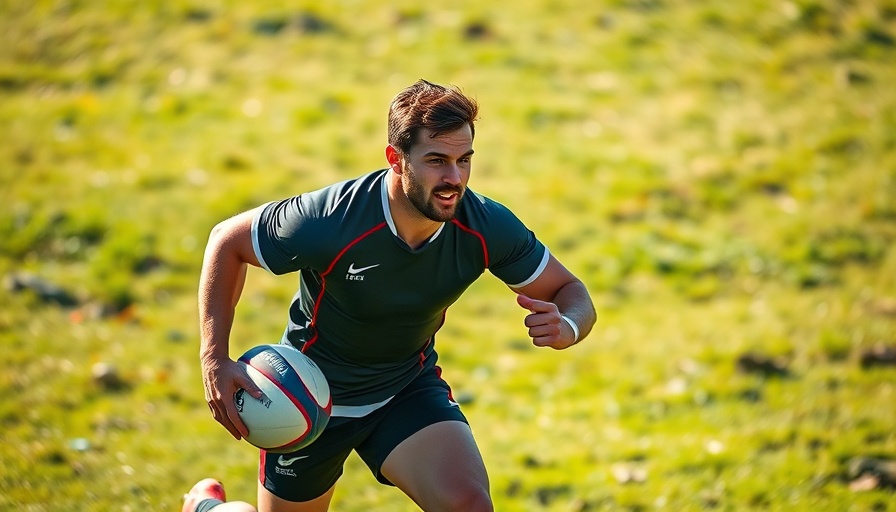
Sacha Feinberg-Mngomezulu running with rugby ball on field.

Snyman's Insight on Sacha Feinberg-Mngomezulu's Leadership

In a recent teleconference from Swansea, Stormers head coach, John Snyman, expressed his expectations for Sacha Feinberg-Mngomezulu, who is set to take on the pivotal No 10 jersey in their upcoming Vodacom URC clash against Parc y Scarlets. Snyman emphasized Feinberg-Mngomezulu’s importance to the team, citing his dynamic style of play and natural leadership capacities that will be crucial as the Stormers strive for a strong finish in the league.

The Importance of Embracing Challenges

Feinberg-Mngomezulu’s return is not just a game of numbers but a transformational moment for the Stormers. Snyman encourages the young playmaker to approach the game with aggression and passion. “Sacha… he goes 100 miles an hour,” Snyman noted, urging him to play without holding back. Such an approach signifies more than just physical speed; it highlights the mental and emotional readiness to take risks, which is necessary for success in high-stakes sports. As he navigates the attack for the Stormers, the burden of expectation is not solely on him due to the support from seasoned players like Willemse.

Return of Key Players: A Boost for the Team

The integration of Willemse back into the lineup as he recovers from injury brings a wealth of experience that cannot be understated. Moerat, a towering lock on the team, stated that Willemse’s leadership qualities, both vocal and through his work ethic, are essential during these challenging times for the Stormers, who currently reside in the lower half of the league standings. Snyman's strategy involves looking to maximize both players' contributions as they work in tandem, something that can redefine the team’s presence on the field.

The Power of Collective Talent in Rugby

Support is essential in team sports; it’s not only about individual talent but how that talent interplays with others. Snyman further articulated that when peering into the Stormers’ strategy, it’s clear that Sacha’s ability to draw attention can create opportunities for his teammates. “Our job as a team is to support him in that role,” Snyman said, emphasizing the importance of shared responsibility. With players stepping forward as leaders, as both Feinberg-Mngomezulu and Willemse have shown, the collective synergy can propel a team from the lower ranks to playoff contention.

Fans' Expectations and Team Morale

The call for improvement comes hand in hand with raised expectations from fans and sports analysts alike. The vibrancy and infectious energy that players like Sacha and Willemse bring onto the field resonate not only with their teammates but also with the supporters who fill the stands. The Stormers, while struggling at 12th place, have the potential to spark excitement and unity—a key ingredient for not just winning games, but enriching the overall experience for fans.

Looking Ahead: What This Means for Rugby in South Africa

As the Vodacom URC progresses, the results of the upcoming match could have wider implications for rugby in South Africa. The Stormers have the lineage of producing top-tier players contributing to the national narrative where local clubs feed talent to franchises, which in turn showcase players for international glory on platforms such as the Rugby World Cup. When young athletes like Feinberg-Mngomezulu rise to their full potential, they solidify the foundation of South African rugby.

Sports teams embody community spirit and pride. The challenges faced by the Stormers reflect a broader story of resilience and determination that echoes throughout South African sports. With dedicated leadership and promising talent, teams have the chance to rally and inspire future generations, nurturing a culture where every athlete thrives.

Join the Conversation!

Are you excited to see how players like Sacha Feinberg-Mngomezulu will impact the Stormers’ performance in the coming weeks? Share your thoughts on the team dynamics, and let’s celebrate the rich tapestry of rugby in South Africa!

Sports

15 Views

0 Comments

Write A Comment

*
*
Related Posts All Posts
02.11.2026

Racing 92 Confirms Dayimani’s Departure: Impacts on South African Rugby

Update Racing 92's Dramatic Departures: The Impact on South African Players In a surprising move that has sent ripples across the rugby community, Racing 92 has confirmed the departure of South African winger and standout player, Morne Dayimani. His exit raises crucial questions about the team's future, especially considering the vital roles South African athletes play in elite European rugby circles. The Cultural Significance of South African Players Abroad South African rugby players, like Dayimani, are more than just athletes. They are cultural ambassadors who carry the legacy of the Springboks and their commitment to excellence. Players from the Rainbow Nation not only contribute to the athletic prowess of teams like Racing 92 but also bring with them a unique cultural perspective and community ties that resonate with fans and teammates alike. Dayimani's departure is not just a loss for the club; it's a poignant moment for the community that supports him, which cherishes the stories of athletes who leave their homeland to conquer the world stage. Future Predictions: Where Will Morne Dayimani Go Next? As speculation swirls around where Morne Dayimani might land next, rugby analysts are buzzing with potential destinations. Will he choose to stay in Europe, or could a return to South Africa be on the cards? Given the current landscape of South African rugby that features high competition in leagues like the Currie Cup and Super Rugby, Dayimani could significantly impact any team looking to boost its squad's talent pool. Understanding the Dynamics: What Comes Next for Racing 92? Racing 92 now faces significant challenges in filling Dayimani's void. The team's strategy must evolve as they integrate new players while also maintaining the competitive edge necessary to compete in leagues like the Top 14 and the Champions Cup. The organization’s leadership will need a clear vision to ensure that they stay competitive without one of their star players. Players to Watch: Profiling Upcoming Stars in South African Rugby The current rugby scene is brimming with emerging talent. As we bid farewell to established figures like Dayimani, new players are poised to step up. Keep an eye on rising stars in South African club rugby who could make waves internationally, similar to how Dayimani has contributed in his tenure at Racing 92. Emotional Ties: The Influence of Community and Fans The departure of beloved players often stirs emotional reactions among fans and communities. Dayimani has cultivated strong ties with his supporters through his playing style and persona on and off the field. His journey serves as a reminder of the ever-changing nature of sports but also of the lasting legacy athletes leave behind. Call to Action: Following the Footsteps of Stars As we reflect on Morne Dayimani’s contributions to Racing 92, it’s essential to support local talent looking to achieve their dreams in sports. Whether you’re part of a youth sport initiative or a fan of rugby, your engagement can pave the way for the next generation of champions. Get involved in your community sports programs or support teams that develop promising young athletes!

02.11.2026

Why the Proteas Victory Over Afghanistan Will Be Remembered Forever

Update Proteas Triumph in Epic Thriller: A T20 World Cup Classic In a match that will be talked about for generations, South Africa triumphed over Afghanistan in a nail-biting encounter during the 2026 T20 World Cup held at the Sardar Patel Stadium, Ahmedabad. The drama peaked with not one, but two Super Overs required to separate the two teams, marking this match as a significant event in cricketing history. Following this heart-stopping moment, South Africa is set to face New Zealand, adding excitement to their T20 World Cup journey. A Match for the Ages Afghanistan won the initial toss and opted to bowl, a decision that seemed fruitful as South Africa posted a competitive total of 187 runs, a target that promised to keep spectators on the edge of their seats. Quinton De Kock and Ryan Rickelton led the charge for the Proteas, with De Kock scoring 59 runs and Rickelton smashing 61 runs off just 28 balls. Both players created a solid second-wicket partnership, guiding the team towards a strong finish. However, the Afghan side, led by the formidable Rahmanullah Gurbaz, gave a valiant chase. Gurbaz’s striking 84 runs ensured that Afghanistan remained firmly in contention, eventually tying the score at 187 runs and forcing the game into the Super Over. The Tension of the Super Overs In a heart-racing first Super Over, both teams scored 17 runs, pushing the match into a second Super Over—a rarity in international cricket. The initial tension built when Afghanistan sent Azmatullah Omarzai and Rahmanullah Gurbaz into bat. Their efforts culminated in South Africa needing to equal their score. With South Africa's subsequent over, the pressure was palpable. David Miller flashed brilliance with 16 runs from four deliveries, helping his team post an impressive 23 runs. This formidable target put Afghanistan’s nerves to the test. Lessons in Composure and Strategy Keshav Maharaj took on the responsibility of defending 24 runs, providing the perfect encapsulation of composure under pressure. With the Afghan batsmen swinging for the fences, it all boiled down to the very last delivery. Maharaj’s clean bowling of Gurbaz sealed the deal for South Africa, who emerged victorious by a mere four runs. This match served as a stark reminder of the ever-changing dynamics of cricket. As South Africa prepares to continue its campaign, this encounter not only showcased thrilling athleticism but also the cultural significance that such events hold for nations, particularly for fans reminiscent of South Africa’s historic performances, whether in cricket or rugby. Cultural Impact of the Victory Beyond the statistics and victories, the cultural implications of such matches resonate deeply within the communities. Players like Temba Bavuma and Kagiso Rabada emerge as symbols of unity and resilience. In a sports landscape dominated by rivalries and historical narratives, matches like these act as platforms for storytelling and connection among fans. As the Proteas march on in this T20 World Cup, they not only seek victory but aim to inspire future generations, just as their predecessors did during previous major tournaments such as the Cricket World Cup and international engagements against the likes of Australia and India. Upcoming Challenges and Opportunities Looking ahead, South Africa's next challenge comes against New Zealand, another formidable side in the T20 World Cup. The expectation among fans is high, as the Proteas aim to build on their winning momentum. Cricket enthusiasts and athletes alike recognize that the stakes will only rise as the tournament progresses, and each match will not only test the skill and technique of the players but also their mental fortitude. The lessons learned from recent matches will be crucial for the Proteas, and their fans will be eagerly watching how they respond in coming clashes. Conclusion: Conversations Worth Having This historic match between South Africa and Afghanistan serves as a reminder of why sports matter. They unify us, provide a platform for competition, and tell stories that bring communities together. As discussions around this thrilling encounter continue, it is essential to underline that every run, every ball bowled, and each moment of tension adds to the rich tapestry of cricket history. Now more than ever, let’s support our teams and celebrate the spirit of sportsmanship that keeps us enthralled. Whether you’re a supporter of the Proteas, Springboks, or Bafana Bafana, each match allows us to witness the dedication and passion athletes pour into their craft. Join in the conversations surrounding these events, for they shape the future of South African sports.

02.10.2026

Blame Nienaber Only Scratches the Surface of Ireland's Rugby Issues

Update Why Blaming Nienaber for Ireland’s Struggles Misses the Mark The Irish rugby community stands at a pivotal moment, grappling with the implications of its disappointing performance in the Six Nations. The finger of blame has pointed primarily at Jacques Nienaber, the former Springbok coach currently linked to Leinster. However, former players and analysts argue that isolating his influence misses the deeper, systemic issues affecting Ireland's game. The Real Issues Behind Ireland's Decline Former England hooker Brian Moore, alongside other pundits, insists that Ireland's recent struggles are reflective of a larger cycle in elite rugby rather than just tactical missteps orchestrated by Nienaber. While opinions have run rampant regarding Ireland’s uninspired tackling and basic errors during the match against France, focusing solely on the coach ignores crucial factors that are undeniably affecting performance. The age profile of Ireland's key players looms large. Many influential players, such as James Lowe and Bundee Aki, are over 30. As every athlete knows, experience is a double-edged sword; while it provides invaluable tactical knowledge, it can also lead to diminished speed and sharpness, crucial elements in international rugby. With a significant reliance on older stars, the question becomes whether there are sufficient younger players ready to fill those shoes. Historical Context and Future Implications Historical trends in rugby reveal that sustained excellence is challenging to maintain. After their ascent to the top of world rugby rankings, it’s not surprising to see Ireland in a transitional phase. Moore underscores that no team remains at the pinnacle for too long without experiencing a generational shift. The challenge for teams like Ireland is not merely about winning but evolving in a way that retains competitive edge against newer, emerging forces. This narrative of transition is mirrored in the Springboks' own journey. When South Africa faced its own transitional phases, it prioritized nurturing emerging talents while gradually phasing out seasoned players. This balanced approach can enable a nation to sustain success over time. Counterarguments: Why Nienaber Deserves Fair Appraisal While critics of Nienaber argue that his coaching style contributed to Ireland’s recent failures, it’s critical to consider that the evolution of a team’s playing style often involves periods of adjustment. The South African coach has played a role in leading Leinster’s resurgence in the domestic circuit, challenging claims that his coaching has only been detrimental. The fact that Leinster boasts a strong position in the URC highlights that while tactical tweaks are necessary, they don’t solely dictate failure or success. Psychological Factors at Play Mental fatigue and the psychological impact of previous tours can’t be overlooked. Ireland's performance during the Six Nations often follows a British and Irish Lions tour, which invariably leaves players with physical and mental scars. It may take time to recover from that, and until those influences are fully addressed, performance issues are likely to persist. Call for Balanced Criticism and Vision moving Forward Given the complex picture illustrated above, it is essential for Irish rugby pundits and fans to remain steady in their analyses and avert the temptation for scapegoating. While Jacques Nienaber may have an impact on Ireland through his coaching links, attributing all responsibility to him overshadows more significant structural issues both in player development and team strategy. The future of Irish rugby hinges on a collaborative approach to coaching and player development, balancing the seasoned wisdom of established stars with the fervor and energy of new talent. Only by addressing both tactical and psychological factors can the Irish rugby team hope to rise again and reclaim its position among the world's top competitors. As the rugby community looks ahead, it’s crucial to anchor discussions in accountability nurtured by a culture of understanding and growth. This will not only improve on-field performance but inspire the next generation of athletes looking to leave their mark on the beautiful game.

Terms of Service

Privacy Policy

Core Modal Title

Sorry, no results found

You Might Find These Articles Interesting

T
Please Check Your Email
We Will Be Following Up Shortly
*
*
*