Add Row
Add Element
PR Africa: Your Gateway to Comprehensive African News and Insights
update
PR Africa
update
Add Element
  • Home
  • Categories
    • Entertainment
    • Automotive
    • Politics
    • Finance
    • Health & Fitness
    • Sports
    • Business
    • Cryptocurrency
    • Education
    • Fashion & Beauty
    • Home & Garden
    • Foreign Language News
    • Lifestyle
    • Real Estate
    • Religion
    • Science
    • Technology
    • Travel
    • News & Current Affairs
    • Crime & Safety
    • Arts & Culture
    • Environment
    • Food & Drink
    • Extra News
August 26.2025
3 Minutes Read

Ruto Heads to Washington: What Could This Mean for US-Kenya Relations?

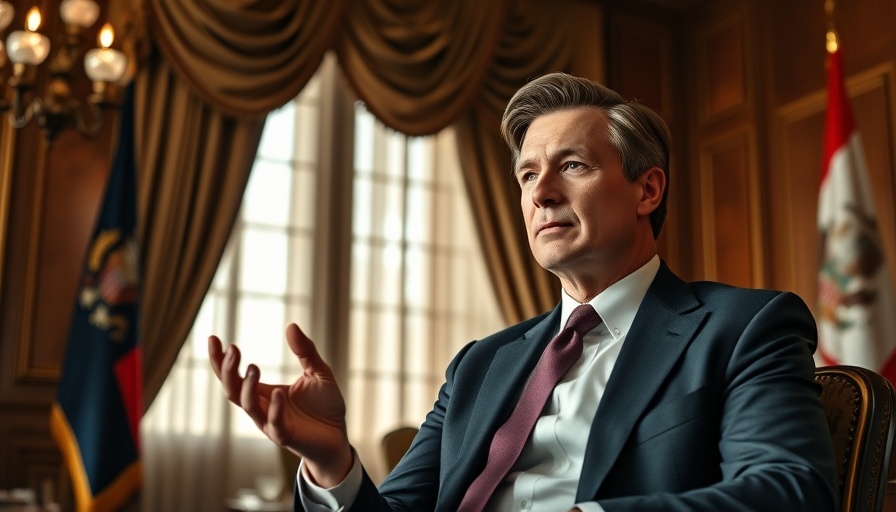
Distinguished man discussing US-Kenya relations in formal office setting.

Ruto's Diplomatic Maneuvering: The Need for a Balancing Act

Kenyatta’s successor, President William Ruto, is preparing for a significant diplomatic endeavor by heading to Washington. His visit aims at rekindling relations with the Trump administration, a move driven by the increasing necessity for Kenya to balance its growing ties with China while safeguarding benefits accrued from past interactions with the U.S.

As countries around the globe reevaluate their foreign policies, Ruto's administration is stepping up its game. By enlisting the services of a well-connected lobbying firm, the Kenyan government hopes to smooth over any rough patches that may have formed in U.S.-Kenyan relations since the previous administration.

Historical Context: Kenya's Shift in Foreign Policy

The last few years have seen Kenya pivoting towards China, seeking investment and infrastructure development, particularly under the Belt and Road Initiative. However, with the looming specter of debt and reliance on foreign aid, especially as their economy faces challenges, Nairobi's need to maintain strong ties with the U.S. remains critical. U.S.-Africa relations, especially during Trump’s administration, saw both opportunities and tensions regarding trade, governance, democracy, and human rights.

The Stakes: Why Washington Matters

For Kenya, relationships with Western partners facilitate not just financial assistance but also essential diplomatic support in conflict resolution and peacekeeping within the region. Maintaining an amicable rapport with the U.S. is crucial as Kenya grapples with myriad challenges, from economic growth to security issues related to terrorism. Furthermore, with international relations increasingly scrutinous of a country’s governance and human rights practices, Ruto’s leadership must demonstrate a commitment to democracy and sustainable development.

Regional Integration and Global Context: The Bigger Picture

As part of the African Continental Free Trade Area (AfCFTA), Kenya's relationship with the U.S. could play a pivotal role in shaping regional trade dynamics. The success of the AfCFTA hinges upon collective action between member states and vital partnerships with nations outside the continent, including the U.S. Increased foreign investment, in this context, is essential for Kenya’s industrialization and economic development efforts, crucial for rural development and employment generation.

Prospective Outcomes: Ruto’s Visit and Future Relations

Analysts speculate that Ruto's Washington trip could pave the way for new trade agreements or a commitment to support various sectors, including renewable energy and technology development. Economic growth is intertwined with global partnerships; thus, a well-orchestrated meeting could enhance Kenya's position among African nations while simultaneously addressing past grievances.

Conclusion: Taking Action for Future Prosperity

Kenyans must remain engaged with their leaders, advocating for governance policies that prioritize transparency and accountability. The outcome of Ruto's visit to Washington will significantly impact the nation’s future direction regarding essential services such as education and healthcare and could influence how global partners perceive the Kenyan administration moving forward.

Stay informed and active in the discourse around these significant political developments, as they may not only redefine Kenya’s foreign relations but also affect local and regional dynamics.

Politics

8 Views

0 Comments

Write A Comment

*
*
Related Posts All Posts
01.18.2026

Mbeki Urges MKLWV to Stand with ANC in National Security Management

Update Thabo Mbeki's Call to Veterans: A New Chapter for the ANC In a landmark moment for the African National Congress (ANC), former President Thabo Mbeki addressed the inaugural conference of the newly formed uMkhonto weSizwe Liberation War Veterans (MKLWV) in Bloemfontein. The recent restructuring of the veterans’ league signifies a potential watershed for the ANC, tasked with responding to increasing political instability and challenges ahead. Emerging Unity Amidst Historical Divisions The reformation of MKLWV comes after the dissolution of the uMkhonto weSizwe Military Veterans Association (MKMVA) in June 2021, an act aimed at healing deep-seated divisions within the ANC. These divisions have often hampered the party’s ability to unify its base during turbulent times. With the election of Dan Hatto as the new chairperson, the MKLWV is being seen as a pivot to realign the veterans with the party’s current missions, embodying a fortified front in the face of what Mbeki describes as “counter-revolutionaries.” Counter-Revolutionary Threats: A Clarion Call for Action Mbeki's call to action emphasizes the historical role of military veterans in the liberation struggle against apartheid. He asserted the importance of this newly formed body, urging them to counter predictions of the ANC's dissolution. Mbeki commented on past riots, attributing them to a test of strength by opposition factions, indicating a rise in anti-ANC sentiment that could undermine the party’s relevance leading up to the 2024 general elections. The Role of the Veterans League in Shaping ANC's Future Political analysts view the MKLWV’s role as critical in providing the ANC with valuable insights on national security matters and internal dynamics. ANC chairperson Gwede Mantashe echoed this sentiment, reminding attendees that they must be engaged in grassroots movements to re-establish trust with constituents. With youth unemployment and expectations for service delivery looming large, veterans are being called not only to advise but to take active roles in shaping policy, reform, and strategy. Internal Critique as a Tool for Transformation There's a collective sentiment within the ANC that the veterans should play an active role in internal critiques. Mantashe highlighted the detrimental effects of public complaints made via social media, calling for veterans to utilize established channels for grievances instead. The emphasis is on visibility and vocal leadership, enabling veterans to address issues within the party while fostering transparent dialogues that resonate with voters' concerns. Looking Ahead: The Role of the ANC in a Changing Political Landscape The political landscape of South Africa is increasingly dynamic, leading up to the crucial 2024 elections. With rising alternatives like the Democratic Alliance (DA) and Economic Freedom Fighters (EFF) on the horizon, the ANC is compelled to re-evaluate its tactics and strategies for voter engagement. Furthermore, the issue of state capture remains a pressing challenge, necessitating effective anti-corruption measures to regain public trust. The persistence of socioeconomic issues, such as income inequality and land reform, remains central to the ANC's renewed mission. Conclusion: A Call for Visibility and Action Mbeki’s rejuvenated vision for the MKLWV is not just about addressing historical grievances; it’s about ensuring that these veterans reshape their roles within the contemporary political complex of South Africa. If the ANC is to withstand the pressures of counterarguments posed by opposition parties, veterans must translate their historical legacy into actionable insights that influence policy reform and delivery. Their engagements could significantly impact voter turnout in both the 2024 general elections and the upcoming municipal elections in 2026. To foster a united front, it’s crucial for members of MKLWV to identify as leaders within their communities. Only through visibility and active participation can they cultivate change and reaffirm the essence of the ANC as a pivotal force in South Africa.

01.18.2026

Unraveling the Crisis: Motshekga's Military Missteps Amid Iran's BRICS Exercise

Update The Diplomatic Tightrope: South Africa's Military Posture Under Scrutiny As recent events unfold surrounding Defence Minister Angie Motshekga and the controversial participation of Iranian warships in South African naval exercises, the spotlight shines on South Africa's complex geopolitical landscape. President Cyril Ramaphosa's apparent directives for Iran's withdrawal from the ongoing joint exercise have raised serious questions about civilian oversight of the military, communication within government ranks, and the potential international ramifications of non-compliance. Violations and Military Disobedience: A Wake-Up Call The situation escalated when Motshekga's failure to enforce Ramaphosa’s orders, which followed consultations with Iran, led to a full Iranian naval presence at the Exercise Will for Peace. This breach of military order highlights alarming issues of accountability within the SANDF (South African National Defence Force) and its leadership's commitment to civilian authority. Senior ANC sources expressed concern that Motshekga's inability to control military actions might lead to severe ramifications, including court martial for involved military personnel. International Repercussions: Strained Relations with Key Partners Iran's participation not only draws the ire of President Ramaphosa but also risks further tension with the United States and possibly other Western nations. U.S. officials have condemned the move, characterizing Iran as a “destabilizing actor,” while suggesting that South Africa cannot afford to be perceived as cozying up with regimes accused of human rights abuses. This incident underscores a critical dilemma for South Africa as a nation striving for international legitimacy and trade relations amid growing domestic pressures and a challenging economic landscape. Impacts on South African Politics and Military Strategy The fallout from this naval exercise could have dire consequences for domestic politics and Ramaphosa's administration. With national elections approaching, perceptions of instability within military governance might influence public sentiment against the ruling ANC's ability to maintain order and govern effectively. This scenario coincides with an already tense political climate stricken by issues of corruption investigations, load shedding crises, rising unemployment rates, diminished public trust, and service delivery protests. Furthermore, Motshekga’s legal inquiry into her department’s decisions serves both as a mechanism for accountability and a reflection of the fraught balance between diplomatic engagement and military discipline. Future Strategies: The Need for Clarity and Accountability In light of the current situation, it is paramount for the South African government to redefine the parameters of military engagement with foreign powers. Establishing clear communication channels and accountability measures would be instrumental in preventing future breaches of protocol. Analysts suggest that strengthening the legal framework governing defense and foreign policy is critical, especially as South Africa navigates complex diplomatic waters within the BRICS (Brazil, Russia, India, China, South Africa) partnership. Call to Action: Engaging in Meaningful Dialogue As South Africa progresses through this diplomatic and military conundrum, professionals and citizens alike are encouraged to maintain pressure for transparency and reform within governmental and military structures. Engaging in public dialogues that scrutinize the implications of military decisions on South African politics and international relations can pave the way for informed civic participation and oversight. In an era marked by rapid change, understanding the intricate relationship between military actions and political authority is essential for fostering a more accountable government capable of meeting its national and international commitments.

01.17.2026

Uganda’s Election Crisis: Internet Shutdowns and Museveni’s Resilience

Update Understanding the Context of Uganda's Election The political climate in Uganda has been tumultuous, particularly during elections. President Yoweri Museveni, in power since 1986, stands at the center of this tension as he leads to the polls amid allegations of electoral interference and intimidation. The election process is crucial, not only for Ugandans but also for the stability of the region and the integrity of democratic processes across Africa.In 'Museveni leads in tense election marred by internet shutdown and voting interference', the discussion dives into Uganda's electoral crisis, exploring key insights that sparked deeper analysis on our end. The Impacts of Internet Shutdowns on Democracy An alarming aspect of the recent elections was the internet shutdowns ordered by the government on the eve of the elections. This tactic reflects a broader trend in various African nations, where such measures are employed to suppress dissent and control narratives. Internet disruptions can disenfranchise voters, undermine transparency, and obscure vital information from the public. This situation illuminates the fragile state of democracy in Uganda and poses questions regarding the capacity of regional and international actors to safeguard electoral integrity Africa-wide. Allegations of Voter Intimidation and Fraud Further complicating the election process were claims of voter intimidation and fraudulent practices reported across various regions in the country. Eyewitness accounts and testimonies reveal a pattern where opposition members faced aggression, and polling places were marred with irregularities. These incidents fuel a narrative of systemic corruption and paint an unsettling picture of governance, raising alarms about human rights violations prevalent in the political landscape of Uganda and potentially setting a precedent for future elections in the region. Global Perspectives on Uganda's Election The international community is watching closely as these events unfold, seeking to provide a balanced perspective. Observers have voiced their concerns on the implications of such state actions not only for Ugandan citizens but also for regional stability. The situation raises pertinent questions about the role of foreign governments and institutions in promoting democracy and human rights within their bilateral relations with Africa. This scrutiny indicates the global ramifications when elected leaders overstep their mandates, leading to widespread protests and civil unrest. Future Predictions for Uganda’s Political Climate As Uganda navigates these turbulent political waters, the future remains uncertain. The electoral outcomes could either solidify Museveni's grip on power or ignites a resurgence of opposition movements, which represent a significant challenge to his extended reign. Civil society’s resilience is on display, and grassroots movements are increasingly vocal in their push for accountability and transparency. This dynamic illustrates the importance of civic engagement in shaping political realities and could signal a shift in power dynamics across the continent. Engaging in Dialogue: The Role of Officials and Citizens The success of Uganda's democracy relies not only on government actions but also on civic responsibility. Engaged citizenship is crucial; citizens must hold their leaders accountable through active participation and dialogue. Initiatives aimed at informing the public about their rights, the electoral process, and encouraging critical discourse about government policies play a significant role in fostering a healthy political environment. This engagement can ultimately empower individuals, ensuring they are not mere spectators but active participants in the democratic process. Recommendations for International Engagement and Support For those looking to contribute positively to Uganda's democratic processes, advocating for transparency, supporting civil society initiatives, and promoting electoral integrity are vital ways to engage constructively. International organizations and foreign governments could bolster their efforts to provide platforms for dialogue, advocating for a free press, and supporting digital rights to mitigate issues regarding internet censorship. The imperative lies in creating consensus-building mechanisms that align with citizens' purse strings while fostering a culture of democracy and accountability. In closing, Uganda's current political scenario exemplifies broader trends in African governance where state responses to dissent reflect a fragile democracy. The need for vigilance and advocacy is paramount, not only for Uganda but for all nations navigating similar crossroads in enhancing governance and respecting human rights.

Terms of Service

Privacy Policy

Core Modal Title

Sorry, no results found

You Might Find These Articles Interesting

T
Please Check Your Email
We Will Be Following Up Shortly
*
*
*