Add Row
Add Element
PR Africa: Your Gateway to Comprehensive African News and Insights
update
PR Africa
update
Add Element
  • Home
  • Categories
    • Entertainment
    • Automotive
    • Politics
    • Finance
    • Health & Fitness
    • Sports
    • Business
    • Cryptocurrency
    • Education
    • Fashion & Beauty
    • Home & Garden
    • Foreign Language News
    • Lifestyle
    • Real Estate
    • Religion
    • Science
    • Technology
    • Travel
    • News & Current Affairs
    • Crime & Safety
    • Arts & Culture
    • Environment
    • Food & Drink
    • Extra News
April 15.2025
3 Minutes Read

Rugby’s Future: Why South African Teams Need More Analytical Edge

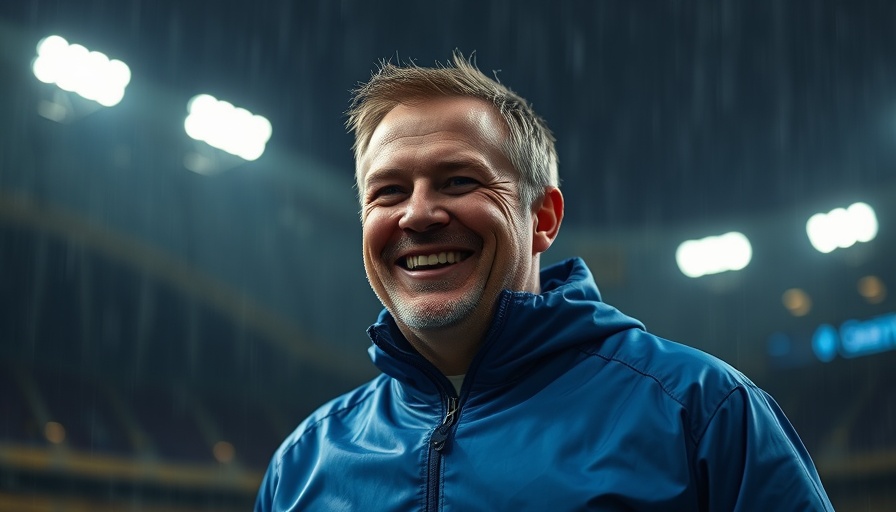
Rugby coach smiling at night match, South Africa

Embracing the French Approach to Analytics in Rugby

In a groundbreaking interview, Dobson shed light on the importance of analytics in modern rugby, sparked by his recent visit to France, home to six-time European champions. During his time there, he observed that top-tier teams employ extensive analytical setups, paving the way for player development and strategic advantages.

Dobson stated, "What was powerful was their facilities and data analysis. They almost have an analyst for each department... That costs money, but it is an amazing progression." The extensive technological infrastructure he observed serves as a beacon for teams looking to enhance their performance through data.

The Technological Edge: Insights from France

According to Dobson, the French teams’ commitment to analytics and technology elevates game preparation beyond what many South African teams currently experience. "Their facilities are amazing. They have three drones, golf carts with TV screens, and even a big screen to review match scenarios like a maul. Their meeting room resembles a cinema,” he enthusiastically reported.

This emphasis on technology and data analysis is indicative of a paradigm shift in rugby, influencing how teams prepare for matches. It could also underline a potential gap in resources and infrastructure between South African franchises and their European counterparts.

Similar Philosophies in Training

Despite the disparities, Dobson believes the Stormers' training philosophy resonates with that of French teams. "Where they do have an edge on us is their analysis and how they present [information] to players. With some stuff, we need to get better, and with some, we are on the right track," he remarked. This insight bridges the gap, showing how South African teams can learn and evolve by adopting certain aspects of foreign methodologies.

The Future Landscape of South African Rugby

As the rugby landscape continually evolves, teams that embrace new technologies and analyze data effectively will likely maintain competitive advantages. Dobson’s reflections signify a pivotal moment for South African rugby, potentially influencing training and match preparation by integrating advanced analytics.

With the upcoming Rugby World Cup and other high-stakes competitions, it becomes paramount for teams like the Stormers to leverage their insights for success. The art of analytics might just help them close the gap between themselves and the leading rugby nations.

Building the Future of Rugby

Adopting a French-inspired analytical approach could be the key to unlocking higher performance levels, not only for the Stormers but across South African rugby. This provides a unique opportunity to cultivate talent and build more competitive teams.

As we eagerly anticipate the future of rugby in South Africa, the implications of Dobson's insights will reverberate throughout the sport, heralding a new era where technology and analytics play pivotal roles in shaping athletic excellence and enhancing player development. Whether it's through innovations in training, data analytics, or strategic game play, the investment in these areas may ultimately determine success on the global stage.

It's time for all involved in South African rugby, from coaches to young athletes, to reflect on these developments. A greater emphasis on analytics could propel South African teams into a new era of competition, aligning them more closely with international standards. Are we ready to embrace this change?

Sports

18 Views

0 Comments

Write A Comment

*
*
Related Posts All Posts
02.12.2026

Did the Springboks Peak Too Soon After Their Rugby World Cup Triumph?

Update Have the Springboks Peaked Too Soon? The 2023 Rugby World Cup saw the South African Springboks capture their fourth title in dramatic fashion, edging New Zealand 12-11 in a tense final. However, questions abound about their journey: did they hit their peak too early? With their impeccable slate of victories in the knockout stage, it's a thought-provoking consideration that invites deeper scrutiny. Understanding the Springboks Tactics and Strategy Winning teams often operate under a winning mindset, and no team epitomized this more than the Springboks in 2023. Despite their solitary defeat at the hands of Ireland in pool play, the team showcased resilience and grit, successfully navigating a challenging stretch against top-tier teams. Their path through the tournament included nail-biting victories against formidable opponents such as France and England, both by narrow margins. During these matches, the Springboks relied on fierce defense and opportunistic scoring, illustrating a strategy built on trust and collective belief. Players like Handré Pollard stepped up in critical moments, securing victories through his impeccable kicking under pressure. This winning requirement highlights that the mental preparation and strategic executions employed by coaches Rassie Erasmus and Jacques Nienaber were pivotal to their success. The Psychological Aspect of Athletic Performance As the Springboks celebrated their tremendous achievements, the psychological aspect of their success cannot be overlooked. Coach Jacques Nienaber emphasized the players’ belief in themselves and their system, stating, "You don’t see that often – somebody chasing a lost cause." This mantra of unwavering confidence permeated the squad, encouraging players to push through physical and mental exhaustion. Pieter-Steph Du Toit’s tireless performance, which included a staggering 28 tackles in the final, exemplifies the commitment that defined the Springboks' campaign. The pressure of high-stakes matches creates a psychological reality where belief can tip the balance between victory and defeat. Performance and Key Statistics South Africa's victory was made more impressive considering their low aggregate scoring margin of just three points across knockout matches—illustrating their ability to perform under extreme pressure. Historical context matters, as South Africa became the first team to clinch consecutive World Cups in away tournaments, which adds layers of complexity to their legacy. The Springboks’ defense also proved crucial throughout the competition, including their record of 209 tackles in the final match against New Zealand, with Deon Fourie stepping up significantly following teammate Mbonambi's injury. Statistical highlights reflect a well-rounded performance, with every forward playing their part, showcasing the team’s depth. Future Predictions: What Lies Ahead? As the Springboks forge ahead post-World Cup, questions of sustainability linger. Can they maintain their momentum in forthcoming tournaments or the next international fixtures? Will they evolve their game to combat the rising competition from other nations? South African rugby fans eagerly anticipate how the landscape may shift after their historic triumph. Future tournaments such as the Rugby Championship and the upcoming Olympics will provide ample opportunities to showcase their skills again. However, the potential for burnout must also be addressed—a concern for athletes who can peak too soon. Conclusion: Reflecting on the Journey The toxicity of comparing generations in sports can detract from appreciating achievement in the context of its time. The Springboks should bask in the glow of their success, knowing they pushed through limits to redefine their legacy. Yet, the conversation around whether they peaked during the World Cup will continue as their next editions beckon. Fans and observers will remain captivated by the answers that unfold in the future.

02.12.2026

SA Rugby Launches Women Coaches’ Pathway to Empower Female Leaders

Update Breaking Barriers: SA Rugby’s Bold Step for Women Coaches In a groundbreaking move towards gender equality in sports, South African Rugby has announced an initiative to elevate female coaching in rugby. The Women Coaches’ Transitioning Workshop, featuring nine former Springbok Women’s players among 24 elite coaches, aims to combat the existing gender gap in elite coaching and align with SA Rugby's forward-thinking 'Destination 2027' strategy. Empowering Future Female Coaches Set to take place in Riebeeck West at the Delsma Sports Farm, this workshop will not only serve as a formal prerequisite for the highly coveted World Rugby Level 3 Course but is also a testament to the commitment to improving female representation in coaching ranks. Recent data from the past 13 years revealed that only two women achieved full Level 3 accreditation from SA Rugby, underscoring the urgent need for such initiatives. Championing Diversity in Sports Former players like Vuyolwethu Vazi, Nosipho Poswa, and Mathrin Simmers now join this transformative program, which highlights strategic targets set by SA Rugby to have at least ten accredited female coaches by 2027. The CEO, Rian Oberholzer, stated, “A core pillar of our ‘Destination 2027’ strategy is the deliberate growth and education of our female coaching cohort,” emphasizing the importance of collective effort in fostering change in sport. What to Expect at the Workshop The workshop promises an intense five-day schedule featuring technical sessions, including topics such as Functional Role Analysis and resilience training, to prepare coaches for the rigorous demands of Level 3 certification. These sessions aim to equip participants with the skills and confidence needed to be successful leaders in their respective teams. Creating a Legacy for Future Generations This initiative ultimately aspires to not just impact the current generation of female coaches, but also to establish a legacy that encourages younger girls to pursue coaching roles in rugby and beyond. As more women step into these critical positions, it paves the way for a more inclusive sporting culture. By actively promoting female coaches, rugby in South Africa can lead the way in a sports environment traditionally dominated by men. Broader Educational Implications Beyond coaching, the implications of this workshop extend into youth development and sports transformation across South Africa. Similar initiatives can serve as models for other sports, as seen in successful programs within Cricket South Africa and the success of teams like Banyana Banyana in football, which have inspired a wave of female athletes. Conclusion: The Call to Action If you are passionate about sports and want to see a more equitable future in coaching, consider supporting initiatives that empower women athletes, coaches, and leaders. The growth of female coaching is not just a rugby issue; it's a crucial aspect of fostering diversity and representation in all sports. Join the conversation and lend your support to create an impactful future for women in sports!

02.11.2026

Racing 92 Confirms Dayimani’s Departure: Impacts on South African Rugby

Update Racing 92's Dramatic Departures: The Impact on South African Players In a surprising move that has sent ripples across the rugby community, Racing 92 has confirmed the departure of South African winger and standout player, Morne Dayimani. His exit raises crucial questions about the team's future, especially considering the vital roles South African athletes play in elite European rugby circles. The Cultural Significance of South African Players Abroad South African rugby players, like Dayimani, are more than just athletes. They are cultural ambassadors who carry the legacy of the Springboks and their commitment to excellence. Players from the Rainbow Nation not only contribute to the athletic prowess of teams like Racing 92 but also bring with them a unique cultural perspective and community ties that resonate with fans and teammates alike. Dayimani's departure is not just a loss for the club; it's a poignant moment for the community that supports him, which cherishes the stories of athletes who leave their homeland to conquer the world stage. Future Predictions: Where Will Morne Dayimani Go Next? As speculation swirls around where Morne Dayimani might land next, rugby analysts are buzzing with potential destinations. Will he choose to stay in Europe, or could a return to South Africa be on the cards? Given the current landscape of South African rugby that features high competition in leagues like the Currie Cup and Super Rugby, Dayimani could significantly impact any team looking to boost its squad's talent pool. Understanding the Dynamics: What Comes Next for Racing 92? Racing 92 now faces significant challenges in filling Dayimani's void. The team's strategy must evolve as they integrate new players while also maintaining the competitive edge necessary to compete in leagues like the Top 14 and the Champions Cup. The organization’s leadership will need a clear vision to ensure that they stay competitive without one of their star players. Players to Watch: Profiling Upcoming Stars in South African Rugby The current rugby scene is brimming with emerging talent. As we bid farewell to established figures like Dayimani, new players are poised to step up. Keep an eye on rising stars in South African club rugby who could make waves internationally, similar to how Dayimani has contributed in his tenure at Racing 92. Emotional Ties: The Influence of Community and Fans The departure of beloved players often stirs emotional reactions among fans and communities. Dayimani has cultivated strong ties with his supporters through his playing style and persona on and off the field. His journey serves as a reminder of the ever-changing nature of sports but also of the lasting legacy athletes leave behind. Call to Action: Following the Footsteps of Stars As we reflect on Morne Dayimani’s contributions to Racing 92, it’s essential to support local talent looking to achieve their dreams in sports. Whether you’re part of a youth sport initiative or a fan of rugby, your engagement can pave the way for the next generation of champions. Get involved in your community sports programs or support teams that develop promising young athletes!

Terms of Service

Privacy Policy

Core Modal Title

Sorry, no results found

You Might Find These Articles Interesting

T
Please Check Your Email
We Will Be Following Up Shortly
*
*
*