Add Row
Add Element
PR Africa: Your Gateway to Comprehensive African News and Insights
update
PR Africa
update
Add Element
  • Home
  • Categories
    • Entertainment
    • Automotive
    • Politics
    • Finance
    • Health & Fitness
    • Sports
    • Business
    • Cryptocurrency
    • Education
    • Fashion & Beauty
    • Home & Garden
    • Foreign Language News
    • Lifestyle
    • Real Estate
    • Religion
    • Science
    • Technology
    • Travel
    • News & Current Affairs
    • Crime & Safety
    • Arts & Culture
    • Environment
    • Food & Drink
    • Extra News
March 05.2025
3 Minutes Read

PI AFRICA 2025: Catalyzing Institutional Investment for Sustainable Growth

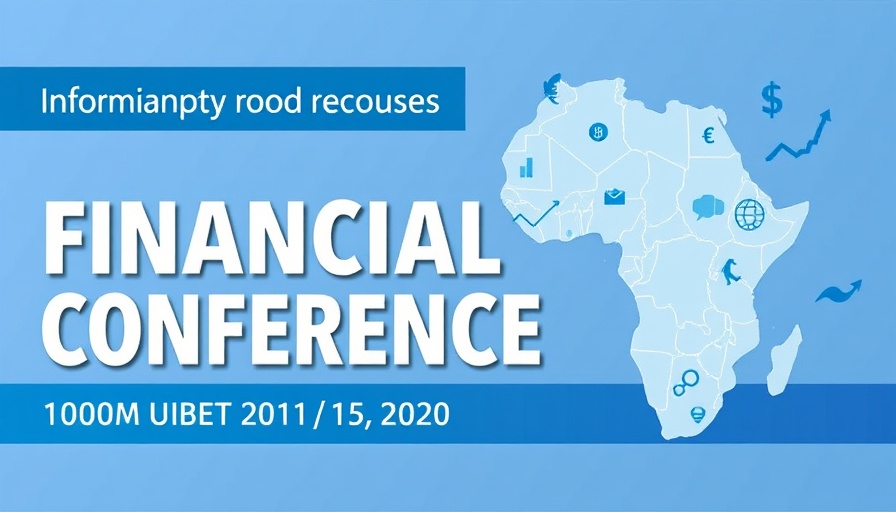
PI Africa 2025 financial conference banner.

Navigating Investment Landscapes: The Importance of PI AFRICA 2025

In an era where sustainable growth and economic stability are paramount, the PI AFRICA 2025 conference, taking place on April 8-9 in Mauritius, stands as a beacon of hope for African nations. This high-profile event, bringing together prominent pension funds, sovereign wealth funds, and asset managers, aims to illuminate the pathways through which Africa's vast financial resources can be harnessed. As the conference draws near, anticipation builds around the innovative discussions on how these funds can not only fuel infrastructure development across the continent but also catapult it into a new era of prosperity.

Understanding Africa's Economic Context

Africa's economic landscape is uniquely positioned; with growth rates projected to reach above five percent in many regions by 2025, the continent is home to 12 of the world's 20 fastest-growing economies. This positive outlook, as highlighted in the African Development Bank's recent report, underscores the urgency of coordinated investment strategies. Despite this potential, challenges remain, including the need for a deft balance between economic growth and sustainability, particularly as the effects of climate change loom large.

The Role of Institutional Investors

At PI AFRICA 2025, a formidable line-up of leaders from the financial sector will hold discussions on deploying institutional impact capital in critical sectors of the economy. The participation of esteemed figures such as Prof. Nazifi Abdullahi Darma and Armando Manuel signals a commitment to responsible governance and ethical investing. Harnessing ESG (Environmental, Social, and Governance) frameworks, investors can achieve not just returns but also contribute to enduring societal benefits, epitomizing a dual-focused investment approach.

Coalition Building for Future Growth

As African nations strive to increase their share in global investment flows, the conference will shed light on the importance of cross-border collaboration—pools of resources for climate-resilient infrastructures, for example, can significantly affect how affordable housing challenges are addressed. Building regional coalitions leads to enhanced credibility in emerging markets, further enticing international investors to allocate funds in Africa.

Aligning Actions with the Sustainable Development Goals

2025 is a pivotal year not just for Africa but for the global community as it aligns with the deadline for the Sustainable Development Goals (SDGs). As the continent seeks to not merely meet but surpass these targets, conferences like PI AFRICA are vital. They serve as platforms to discuss actionable insights and enhance cooperation among stakeholders to bolster economic resilience amidst geopolitical instability and climate crises.

The Road Ahead and Investment Strategies

Emerging from the discussions at PI AFRICA 2025, one can expect a renewed focus on practical, ground-level strategies to stimulate investment. Implementing pre-emptive measures for fiscal stability, ethical governance, and transparency will become critical components of future policies. The emphasis on diversifying funding sources and adopting innovative financing mechanisms, such as green bonds and public-private partnerships, will also be highlighted, ensuring that investments not only target high returns but also foster sustainable growth.

Empowering Future Leadership in Finance

Beyond the immediate discussions on institutional investment strategies, PI AFRICA will also look toward the next generation of financial leaders. The emphasis on youth and women in the investment landscape is imperative. By ensuring equitable representation in decision-making roles, the foundations for a more robust and inclusive economic future are strengthened.

Conclusion: A Call to Action

The PI AFRICA 2025 conference offers a vital opportunity for stakeholders to engage deeply with the potential of African investments. As professionals from diverse sectors convene, the focus remains on actionable insights that promise to elevate the continent’s economic standing. It is critical for attendees and stakeholders to embrace this moment, recognize the interconnectedness of global investment, and strategize for mutual growth and sustainability. By setting a robust framework for investment and collaboration during this pivotal year, Africa can confidently chart a path toward its promised prosperous future.

Business

20 Views

0 Comments

Write A Comment

*
*
Related Posts All Posts
12.12.2025

Unlocking Efficiency: Updated Customs Policies Enhance Tariff Management and Valuation

Update Understanding the Updated Customs and Excise Policies In a significant move reflecting a commitment to transparency and efficiency, the South African Revenue Service (SARS) has updated its policies surrounding customs and excise concerning tariffs, valuation, origin, and staged consignment. Dated December 11, 2025, these changes primarily focus on enhancing the certainty that taxpayers and traders can expect from the Customs process. Clear Expectations: The New Turn-Around Times The revised policies introduce specific turn-around times for the finalization of determination applications submitted to Customs and Excise offices. By setting these timelines, SARS aims to not only streamline operations but also enable businesses to better plan their logistics, reduce operational uncertainties, and ultimately improve decision-making processes. This shift marks a crucial step towards accountability within the revenue collection framework, giving stakeholders precise knowledge of how long their applications will take. The Role of Valuation in Tariff Management Understanding customs valuation is vital for both businesses and the government, as it directly affects the tariffs imposed on imported and exported goods. Adjusting valuation methods is one of the most effective strategies companies can employ to negotiate the complexities tied to tariffs, and this aligns with the emphasis found in similar articles and reports on customs strategies. Utilizing methods such as the first sale for export can assist in mitigating costs associated with tariffs significantly, pointing to the need for businesses to collaborate closely with customs advisors. Implications for Businesses and Trade Practices For professionals navigating the import-export landscape, the importance of comprehending these policy changes cannot be overstated. The establishment of uniform turn-around times does not merely simplify internal operations; it also aids in the broadening of the trade environment, positioning the nation as a competitive player on the global stage. Furthermore, the adoption of the implications of these strategic adjustments is essential for compliance and operational success. Complementary Strategies for Tariff Disruption Management In light of these regulatory updates, businesses must consider strategic measures that include the assessment of potential tariff impacts on their operations. By implementing comprehensive customs valuation practices, companies can leverage available deductions and identify non-dutiable costs effectively. Other strategies, such as post-importation price adjustments, become even more pertinent in an evolving tariff landscape. Fostering Better Communication: Transparency Between SARS and Traders These new policies serve as a baseline for better communication between SARS and the trading community. The predictability introduced by defined turnaround times allows traders to align their business plans more effectively, leading to a more organized and transparent trade atmosphere that has long been lacking in the past. The Long-Term View: Evolving Practices to Enhance Compliance It's essential to recognize that these updates are not just about immediate compliance with tariffs; they reflect a broader initiative to modernize South Africa’s customs practices. In concert with anticipated global trends in trade, these changes can set a precedent for ongoing improvements that include advanced compliance technologies and the introduction of best practices in tariff management. Conclusion: The Call for Engagement As professionals in various sectors adapt to these changes, there is a clear need for ongoing engagement with SARS. The introduction of defined policies enriches the landscape for trade, but it also amplifies the responsibility of traders to stay informed. By leveraging these updates, stakeholders can cooperate and innovate within the framework provided by these new policies. Let’s drive the conversation to enhance our knowledge and ensure compliance in this crucial period for South African trade.

12.12.2025

The Clash at Castel: Pierre Castel's Family Fights for Control

Update Family Feud Turns Corporate: The Castel Group SagaThe ongoing tensions within the Castel Group have reached a boiling point as Gregory Clerc, the current CEO and a former tax lawyer, finds himself at odds with the family of Pierre Castel, the group’s founder. The rift has escalated as the family actively seeks Clerc’s resignation, highlighting a struggle for control that has critical implications for the beverage empire in Africa.Historical Context: The Rise of CastelPierre Castel founded the Castel Group, which is now a prominent player in Africa’s beverage sector. Over the years, the group expanded its operations across various African nations, navigating the complex landscape of local markets and international competition. As it grew, familial ties intertwined with business interests, ultimately leading to the current power struggle.Current Events: A Family PushbackThe dismissal of Alain Castel, a key figure in the family and nephew to Pierre Castel, from a pivotal holding company within the group, marks a decisive moment in this power struggle. This dismissal appears to be driven by Clerc’s consolidation of power, angering the family and prompting an aggressive counterpunch to regain control.Implications for Business in AfricaThe fallout from this family conflict carries substantial weight for the business environment in Africa. As the Castel Group is a significant player in regions where economic growth and stability are crucial, any disruptions may affect trade, investment, and regional development. Furthermore, the leadership style of Clerc—symbolizing a shift towards a more corporate approach—may impact the group’s local engagements and community relations.Shaping the Future: Leadership and GovernanceLeadership transitions like this are not rare in family-owned businesses, where governance often takes a backseat to personal interests. As the Castel saga unfolds, the outcome could inform best practices for governance in corporate environments, especially amidst growing calls for transparency and ethical leadership across Africa.Next Steps for StakeholdersFor stakeholders—investors, employees, and local communities—this conflict can serve as a case study on the importance of understanding internal dynamics. Stakeholders may need to advocate for transparency and engage in conversations about the future direction of the group, ensuring it aligns with broader regional economic interests.Conclusion: The Call for Unity in Africa’s Corporate SphereAs this story develops, it emphasizes the necessity for unity among corporate governance, familial loyalties, and community engagement in African enterprises. Understanding these dynamics will be essential as emerging markets strive for sustainable economic growth and development.

12.11.2025

Navigating New Legislation for REITs: Key Insights and Impacts

Update Understanding the New Legislation on REITs As we approach 2026, the landscape of Real Estate Investment Trusts (REITs) is set for significant changes, particularly with the new draft legislation being prepared by the National Revenue Authority (NRA) and the proposed amendments by the North American Securities Administrators Association (NASAA). The NRA's recent announcement regarding the requirements governing REIT definitions in line with the Income Tax Act of 1962 raises crucial questions about compliance standards and investment dynamics in the U.S. real estate market. What the New Requirements Mean for Companies The NRA's draft legislation, released on December 3, 2025, outlines the standards that will define a REIT in the context of tax benefits. This is aligned with NASAA's amendments which also highlight inflation adjustments to income and net worth standards for investors in non-traded REITs. These proposed updates are expected to present both operational challenges and opportunities for compliance among companies operating in this sector. Broader Impacts on Investment Culture The withdrawal of the controversial 'look-through' rule under the Foreign Investment in Real Property Tax Act (FIRPTA) could simplify compliance for foreign investors, making U.S. real estate more attractive. By reducing barriers and providing clearer guidelines, firms can expect an uptick in foreign investment as sponsors streamline their ownership structures and enhance their cross-border transactions. This shift is not only a win for investors but also reflects a burgeoning openness in U.S. markets. Key Stakeholder Responses Industry stakeholders are closely monitoring these developments. Broker-dealers and investment advisers have already begun evaluating their compliance measures in light of these proposed changes. The emphasis on the fiduciary obligations under the amended guidelines necessitates proactive adjustments in investment strategies and regulatory practices to mitigate risks associated with the new rules. Understanding the timeline for these transitions is paramount as the effective date approaches. Future Trends Shaping REITs The convergence of regulatory updates, coupled with market dynamics driven by evolving investment strategies, points to a future where agility in compliance and innovative structuring become critical for REITs. The proposed 10% concentration limit for non-accredited investors and automatic inflation adjustments for income requirements represent foundational shifts aimed at balancing investor protection with market accessibility. Actionable Insights for Real Estate Professionals As industry professionals, now is the time to recalibrate strategies in anticipation of these regulatory changes. Key actions may include: Thoroughly reviewing and updating compliance manuals to align with new NASAA guidelines. Conducting assessments on the impact of foreign investments under the revised FIRPTA regulations to optimize ownership structures. Enhancing stakeholder communication to keep investors informed about changes that could affect their investment portfolios. Investing in training and resources for teams to navigate the complexities of new compliance standards effectively. Staying informed and adaptable is crucial as these regulations unfold. Conclusion: Preparing for Change The evolving landscape of REITs driven by these legislative updates brings both challenges and opportunities. Companies committed to navigating this complex environment must remain proactive in their adaptation efforts. Engaging with legal and financial advisors will be critical in harnessing the potential benefits while mitigating the associated risks of these regulatory changes.

Terms of Service

Privacy Policy

Core Modal Title

Sorry, no results found

You Might Find These Articles Interesting

T
Please Check Your Email
We Will Be Following Up Shortly
*
*
*