Add Row
Add Element
PR Africa: Your Gateway to Comprehensive African News and Insights
update
PR Africa
update
Add Element
  • Home
  • Categories
    • Entertainment
    • Automotive
    • Politics
    • Finance
    • Health & Fitness
    • Sports
    • Business
    • Cryptocurrency
    • Education
    • Fashion & Beauty
    • Home & Garden
    • Foreign Language News
    • Lifestyle
    • Real Estate
    • Religion
    • Science
    • Technology
    • Travel
    • News & Current Affairs
    • Crime & Safety
    • Arts & Culture
    • Environment
    • Food & Drink
    • Extra News
February 27.2025
2 Minutes Read

My Vote Counts Heads to High Court For Enhanced Party Funding Transparency

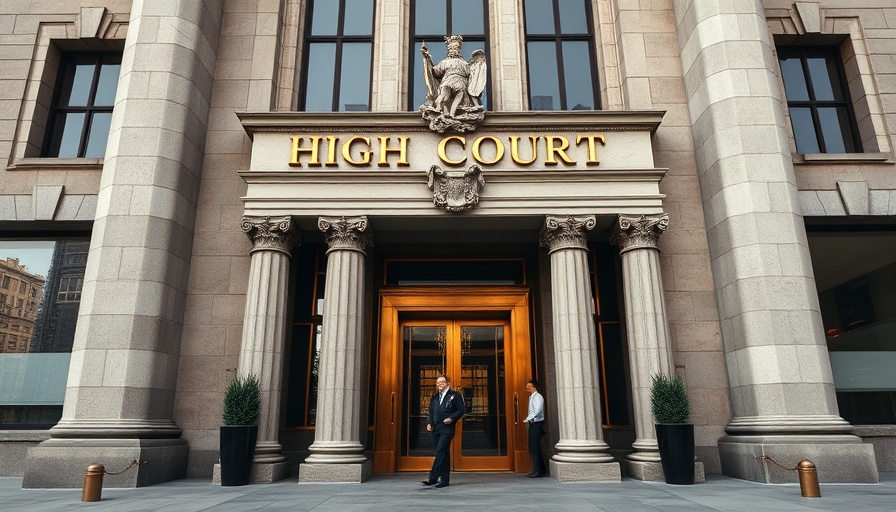
High court entrance highlighting enhanced party funding transparency

Demanding Accountability: My Vote Counts Takes a Stand

My Vote Counts is set to challenge the status quo in South Africa's political funding landscape by heading to the High Court, demanding greater transparency regarding party funding. This push comes at a crucial time, considering the approaching 2024 general elections, where the issue of transparency could shape the outcome. The campaign, backed by citizens seeking accountability in governance, aims to ensure that financial contributions to political parties are disclosed, potentially paving the way for enhanced electoral integrity.

A Catalyst for Change: The Need for Electoral Reform

Historically, the lack of transparency surrounding political funding has contributed to widespread disillusionment with democratic processes. As various opposition parties, including the Democratic Alliance (DA) and the Economic Freedom Fighters (EFF), gear up for the next elections, the implications of undisclosed financial backing remain a significant concern. Analysts suggest that introducing clearer guidelines could shift voter sentiment and improve participation rates, which have suffered due to perceptions of corruption and favoritism.

Examining Other Nations: A Global Perspective on Political Funding

In contrast to South Africa's opaque funding mechanisms, several nations have enacted stringent regulations requiring comprehensive disclosure of political donations. For instance, in the United States, recent legislative efforts like the Litigation Funding Transparency Act aim to illuminate the financial dealings behind court cases, fostering a culture of accountability. This international standard underscores the potential benefits of similar reforms back home, where transparent judicial and political processes can empower constituents and stakeholders alike.

The Impacts of State Capture on Voter Trust

State capture continues to plague South Africa's political landscape, leading to public distrust among voters. Major scandals involving figures like Jacob Zuma have only further eroded confidence in the government's ability to represent all citizens equally. My Vote Counts’ court case could symbolize a pivotal moment in the fight against state capture, as enhancing transparency in funding might restore faith in the electoral system, enabling voters to make more informed decisions during the upcoming elections.

Potential Outcomes: What Enhanced Transparency Could Mean

If My Vote Counts succeeds in court, it could set a precedent for constitutional amendments aimed at broader electoral reform. The ruling might require stricter oversight of political donations and lead to new regulations that ensure equal access to campaign financing for all parties, challenging the dominance of historically larger parties like the African National Congress (ANC). The possibility of transforming the electoral landscape invigorates calls for reforms that prioritize fairness and equality.

Call to Action: Join the Movement for Change

The road ahead for political transparency in South Africa is fraught with challenges, but with organizations like My Vote Counts at the forefront, change is on the horizon. Citizens are encouraged to engage with the campaign, voice their opinions, and demand accountability from their leaders. As elections approach, the power lies in unified actions toward reforming our political financing system and enhancing the integrity of our democracy.

Politics

30 Views

0 Comments

Write A Comment

*
*
Related Posts All Posts
02.03.2026

How Trump's Envoy's Visit Signals New Opportunities for the Central African Republic

Update US Engagement in the Central African Republic: A Delicate Balance As the geopolitical landscape in Africa continues to evolve, the recent visit of Massad Boulos, Donald Trump's top African envoy, to the Central African Republic (CAR) serves as a reminder of the strategic importance of this nation. President Faustin-Archange Touadéra’s invitation to Boulos highlights the CAR's aim to bolster military and diplomatic partnerships, while simultaneously pushing for vital investments, particularly in the lucrative mining sector. A Fragile Alliance Between Global Powers The CAR stands at a crossroads, navigated by competing influences from Moscow, Abu Dhabi, and Washington. This delicate balance of powers is critical in fostering stability within a region often plagued by external intervention and internal conflict. While the CAR strives to attract foreign investments to spur economic growth, it must also contend with the growing power of Russian paramilitary groups like Wagner, which challenge the government’s authority and complicate development efforts. The Mining Sector: A Key to Economic Prosperity Investment interest in the CAR primarily revolves around its abundant natural resources. The mining sector, rich in diamonds and gold, represents significant opportunities for both local development and foreign partnerships. As President Touadéra seeks to redefine the country’s economic outlook, the potential shift towards more Western-aligned interests, particularly from the United States, could serve as a catalyst for much-needed infrastructure improvements and socio-economic development. Human Rights and Governance: Striking a Balance Working towards a more stable governance model, the CAR must prioritize human rights as it engages with international partners. The geopolitical strategy of building ties with the US comes with implications for the local governance structure. By adopting democratic principles and reducing corruption, the CAR can create a more transparent environment conducive to international investment. This transition is integral in fostering trust and ensuring that foreign engagements translate into concrete benefits for the local populace. Future Insights: Opportunities and Challenges Ahead As Massad Boulos embarks on his diplomatic mission, the CAR's prospects will depend on both international support and internal cohesion. The carrot of economic assistance must be paired with strict adherence to governance and human rights, necessitating a framework that holds both the local government and foreign investors accountable. The situation in CAR exemplifies a broader narrative in Africa transitioning from a history of colonization and exploitation towards achieving Afrocentrism, empowering local populations and celebrating their potential. Implications for US-Africa Relations This strategic engagement reaffirms the United States' commitment to establishing a foothold in Africa amidst rising Chinese and Russian interests. By bridging partnerships based on mutual respect and the shared goals of democracy, peacekeeping, and economic advancement, the US can position itself as a reliable ally in the continent’s journey toward self-sufficiency and resilience. This approach aligns harmoniously with the aspirations of the African Continental Free Trade Area (AfCFTA) initiative, which aims to enhance intra-African trade and lead to sustainable development. As the narrative continues to unfold, the CAR could become a prototype for successful US diplomatic relations in Africa. Call to Action The geopolitical dynamics surrounding the Central African Republic exemplify a critical moment in African diplomacy. Professionals engaged in international relations, economic development, and human rights advocacy are encouraged to consider how they can contribute to this evolving landscape—whether through investment strategies, partnerships in governance improvements, or supporting local initiatives aimed at empowerment and development.

02.01.2026

The Call for Automatic Voter Registration: Strengthening Democracy in South Africa

Update Strengthening Democracy Through Active Participation In a recent address, Julius Malema, leader of the Economic Freedom Fighters (EFF), has initiated a powerful call to action aimed at empowering South Africans ahead of crucial elections. Speaking at the close of the EFF’s second plenum in Boksburg, he stressed the importance of voter registration, framing it as a civic duty essential for demanding accountability from the government. Malema's remarks resonate with growing concerns about the low voter turnout among youth and the pressing need for electoral reform in South Africa. The Case for Automatic Voter Registration Malema's advocacy for automatic voter registration for all citizens reaching the age of 18 is particularly significant. He argued that making registration a legal requirement could increase youth participation, a demographic that has historically shown low representation on the voters’ roll. “We want every child who becomes 18 years old to be registered as a law in South Africa,” he declared, emphasizing that it is every citizen's civil duty to vote and participate in democracy. Connecting Citizens and Accountability Highlighting a core principle of democracy, Malema pointed out, “We cannot just be citizens; we must also play our role as registered voters.” This statement serves as a reminder that public accountability begins with active participation in governance. The EFF leader linked electoral engagement to the quality of service delivery from the government, indicating that those who do not vote bear partial responsibility for the services they receive. Electoral Reform: A Necessary Step In light of the 2024 General Elections, which saw disappointing youth turnout, Malema asserts that substantial electoral reforms are critical to revitalizing democracy in South Africa. The EFF's previous electoral performance underscored the impact that higher youth participation could have had. By pressuring the Independent Electoral Commission (IEC) to enhance its processes and provide comprehensive users' rolls, he advocates for a system that facilitates participation rather than hinders it. Key Challenges Ahead A looming challenge for the EFF and South African politics as a whole is the ongoing issue of public perception regarding political parties, particularly amid accusations of corruption and mismanagement. Malema encouraged citizens to view corruption and poverty, rather than opposing parties, as their primary enemies. This perspective urges a collective focus on rebuilding integrity within public institutions while facilitating active citizen participation. Future Electoral Trends and Predictions With the 2026 municipal elections on the horizon, Malema’s push for reform could shape future electoral dynamics significantly. Initiatives like automatic voter registration may pave the way for a more engaged electorate, enhancing the democratic landscape. Engaging the youth can inject new priorities into political discourse, producing a ripple effect through various sectors, from education reform to economic policy adjustments that address youth unemployment. Empowering Voters: The Moral Imperative This continual call for civic engagement isn’t just a tactic for upcoming elections; it is a moral imperative for a society grappling with socio-economic challenges. Malema's assurance that he will maintain leadership in the EFF, even amid personal legal battles, reflects a broader commitment to social justice and accountability. He reiterated, “I joined the struggle to liberate the people of South Africa, not to be a Member of Parliament.” Promoting a voters-first mentality encourages citizens to reclaim their agency in shaping their governance. Conclusion: The Path Forward As South Africans gear up for the forthcoming elections, the dialogue initiated by Malema lays down a framework for understanding the importance of voter participation in maintaining a healthy democracy. It’s time for citizens to embrace their roles not just as voters but as active agents in creating the change they wish to see, ensuring that the voices of the youth and marginalized communities are heard loud and clear. Engage in the battle for your rights as a voter. Register, cast your vote, and let your voice be part of the electoral process, for it is in this engagement that democracy thrives.

01.31.2026

The Implications of Tunisia's Extended State of Emergency

Update Understanding the Extended State of Emergency in Tunisia In a move that has significant implications for governance in Tunisia, President Kais Saied has announced the extension of the state of emergency for an additional 11 months. This decision, while not surprising given the historical context of Tunisia’s political landscape, highlights ongoing concerns regarding civil liberties and governance.The video 'Tunisian president extends state of emergency for another 11 months' provides insight into this significant political move, igniting a necessary discourse on civil rights and governance. A Historical Context of Emergency Powers The state of emergency in Tunisia was first instituted following the 2015 terrorist attacks that targeted the Bardo National Museum and a tourist resort in Sousse. These tragic events led to heightened security concerns and the issuance of emergency laws that granted authorities exceptional powers. Since then, these extraordinary measures have been routinely extended, creating a climate of apprehension about the erosion of democratic principles and the potential for government overreach. The Impact of Emergency Powers on Governance This extension reflects a worrying trend in which emergency measures take precedence over normal democratic processes. In Tunisia, the emergency law empowers the authorities to impose curfews, restrict public gatherings, and exert extensive control over the media. While proponents argue that such measures are necessary for national security, critics contend that these powers are being misused, stifling dissent and preventing meaningful political discourse. Protests and Public Perception The anticipation of this extension has been met with protests across the country, demonstrating a palpable discontent with the current political climate. Citizens express frustration with the increasingly authoritarian measures that limit their rights and freedoms. Understanding the public's perception of this state of emergency is essential as it informs future electoral processes and governance structures within the country. International Reactions and Their Implications The extension of the state of emergency has drawn criticism from international human rights organizations. These entities warn that Tunisia’s democratic gains are at risk, urging a swift return to civilian governance norms. The implications of external pressures could potentially influence the Tunisian government's approach, suggesting that a balance must be struck between security and democratic accountability. Future Predictions: Will Tunisia Move Forward? As Tunisia moves forward, several questions loom: Will the government be able to foster an environment conducive to political discourse, or will the spiral into authoritarianism deepen? With elections on the horizon, the need for a transparent and fair electoral process becomes increasingly urgent. Political analysts suggest that public sentiment will play a significant role in shaping the future of governance in Tunisia, with calls for reforms gaining traction among youth and civil society groups. The Role of the Media in Shaping Public Opinion Media outlets, like Africanews, are vital in providing information and analysis on current events, including the implications of the extended state of emergency. Their reporting helps maintain transparency and holds the government accountable. An informed public, empowered by access to reliable news, can better advocate for their rights and demand greater accountability from their leaders. Conclusion: Civic Engagement Is Crucial The continuation of the state of emergency marks a critical juncture for Tunisia and its people. Civic engagement must be at the forefront of discussions regarding the future of governance and civil liberties. As events unfold, the citizens of Tunisia are urged to remain vigilant, proactive, and committed to ensuring that their voices are heard in the pursuit of a democratic society.

Terms of Service

Privacy Policy

Core Modal Title

Sorry, no results found

You Might Find These Articles Interesting

T
Please Check Your Email
We Will Be Following Up Shortly
*
*
*