Add Row
Add Element
PR Africa: Your Gateway to Comprehensive African News and Insights
update
PR Africa
update
Add Element
  • Home
  • Categories
    • Entertainment
    • Automotive
    • Politics
    • Finance
    • Health & Fitness
    • Sports
    • Business
    • Cryptocurrency
    • Education
    • Fashion & Beauty
    • Home & Garden
    • Foreign Language News
    • Lifestyle
    • Real Estate
    • Religion
    • Science
    • Technology
    • Travel
    • News & Current Affairs
    • Crime & Safety
    • Arts & Culture
    • Environment
    • Food & Drink
    • Extra News
March 07.2025
3 Minutes Read

Make Joburg Great Again: Ramaphosa's Plan to Restore the Metro’s Glory

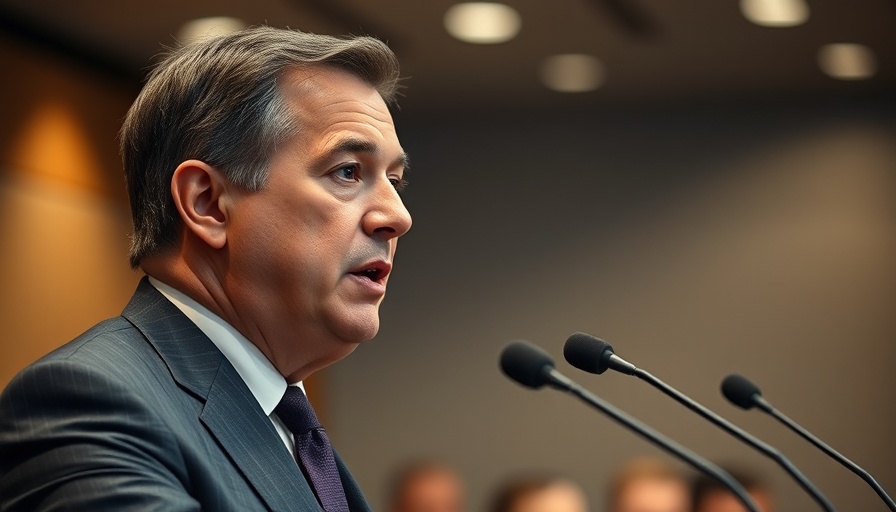
Restoring Johannesburg's Infrastructure discussion with speaker at microphone.

Reimagining Johannesburg: A Call to Action for Restoration

In a bold move towards reclaiming the glory of Johannesburg, South African President Cyril Ramaphosa has announced the formation of a Presidential Working Group aimed at addressing the city’s numerous challenges, notably its crumbling infrastructure and deteriorating service delivery systems. This initiative, reminiscent of strategies implemented in KwaZulu-Natal, aims to engage various stakeholders in municipal governance to ensure collaborative efforts towards rejuvenation.

Understanding Johannesburg’s Struggles

Johannesburg has long been regarded as the economic powerhouse of South Africa, responsible for 16% of the nation’s GDP. However, it now finds itself grappling with serious issues, from widespread outages caused by the ongoing load shedding by state-owned enterprise Eskom to rampant crime and decreasing municipal resources. The city has been described as 'archaic' with infrastructure dating back to apartheid, highlighting an urgent need for comprehensive reform.

Collaborative Approach: Integrating Local and National Expertise

Ramaphosa emphasized the importance of a 'District Development Model' (DDM) approach that encourages a united front between local municipalities, provincial bodies, civil society, and the private sector. This collaborative framework has already shown promise in eThekwini, indicating that engaging multiple perspectives is fundamental to effective governance and city management.

The Significance of an Engaged Community

As the President noted during his recent visit to Soweto, community perception is critical. When citizens feel that their voices are ignored, discontent manifests through service delivery protests and growing distrust in government institutions. The establishment of this working group is not merely a response to infrastructural decay; it is an openness to political accountability and responsiveness to community needs.

Looking Ahead: Is This the Turning Point for Joburg?

Ramaphosa’s commitment to revitalizing Johannesburg comes at a pivotal moment as the city prepares to host the G20 summit. Mayor Dada Morero's assurance that the city is ready to rise to this occasion reflects a newfound determination among local leaders to demonstrate that Johannesburg can indeed reclaim its status as a vibrant metropolis.

Precedent and Potential: Learning from eThekwini

Following the success attributed to the Presidential eThekwini Working Group in transforming the coastal city in the KwaZulu-Natal province, Johannesburg’s leaders aim to replicate these strategies. Implementing foundational infrastructure projects and modernizing public services could restore not only the city’s economy but also the confidence of its residents.

Investment in a Brighter Future

Another vital aspect of this initiative is encouraging foreign investment and stimulating job creation in a city where unemployment rates have soared. By addressing its infrastructure challenges, Johannesburg can attract the necessary capital and expertise to foster sustainable development and innovation.

Final Thoughts: A Collective Effort for Renewal

The return to Johannesburg’s former glory relies on proactive engagement across all sectors of society. Addressing the intertwined issues of economic recovery, infrastructure maintenance, and community trust is essential for turning around the city’s fortunes. As residents and stakeholders rally behind this initiative, the potential for genuine transformation stands at the forefront of South Africa’s national consciousness.

Join the conversation: How can Johannesburg ensure that this planned restoration translates into tangible benefits for its citizens? What further measures can be adopted to ensure accountability and transparency in this rejuvenation process?

Politics

23 Views

0 Comments

Write A Comment

*
*
Related Posts All Posts
12.05.2025

The Future of AI in Africa: Insights from the Pan-African Forum

Update A Pan-African Initiative for Inclusive AI Governance The recent 'Solidarity in Action' forum in Johannesburg has spearheaded an important discourse on the future of artificial intelligence in Africa, reaffirming the continent's commitment to digital fairness. The forum's multifaceted focus on Democratic AI Governance for Peace and Security established a path for Africa to not only engage with global agendas but also carve out its unique narrative in the digital landscape. Affordability and Accessibility: The Cornerstone of Digital Inclusion Key discussions during the forum highlighted the need for affordable connectivity and skills training, essential for ensuring every community can participate in the digital revolution. Stakeholders emphasized that without these foundations, the ambitions for a digitally inclusive Africa would remain unfulfilled. This aligns closely with recommendations from the Pan-African Parliament, which advocates for a legislative framework that accommodates diverse local realities while integrating global norms. Understanding the Value of Localized Governance Frameworks The forum also revealed critical insights into governance frameworks that reflect local values. As evidenced by initiatives like RegulatingAI, there is a strong push towards developing programs that protect the rights of marginalized populations while promoting fair technological practices. This reinforces the vision laid out in African Union’s Agenda 2063, which calls for strong institutional frameworks that bolster transparency and accountability in governance. A Roadmap for Trusted AI: Data Stewardship and Innovation Moving forward, participants set a clear agenda focused on trustworthy AI that emphasizes data stewardship, open innovation, and ethical standards. The commitment to creating safer digital environments resonates with the aspirations of African citizens who seek protections against online discrimination and exploitation. Knowledge Networks’ pledge to launch a podcast series showcases how collaborative dialogues can lead to actionable insights, enhancing the understanding and implementation of AI governance among policymakers and industry leaders. Implications of AI Governance in a Transforming Political Landscape The discussions at the forum occurred in a political context characterized by the ongoing transformation of democratic institutions across Africa. With rising concerns over issues such as nationalization, privatization, and labor rights, the integration of AI into governance models presents both opportunities and challenges. As countries debate the extent of governmental control versus market freedom, the ethical implications of AI become even more pronounced. Calls for public participation in decision-making resonate deeply with critiques regarding the state's capacity to represent and protect its citizens' interests. A Call to Action As Africa accelerates its digital transformation, the momentum generated by the Pan-African Solidarity Forum is a compelling reminder of the collective action required to steer AI development in a manner consistent with democratic values. Professionals engaged in policy-making, technology development, and civil society must converge efforts to establish a governance model that emphasizes accountability, transparency, and the public good. To be part of this crucial journey, stakeholders are encouraged to engage deeply with these critical conversations.

12.04.2025

Political Shielding? AfriForum Claims Misleading Tactics in Mabuyane Corruption Case

Update The Allegations Unveiled: A Closer Look at Oscar Mabuyane's Case The Eastern Cape Premier, Oscar Mabuyane, finds himself at the center of a significant controversy as AfriForum’s Private Prosecution Unit claims that provincial prosecutors have misled the Hawks in an effort to shield him from corruption charges. The purportedly compelling evidence points towards a deliberate attempt to obscure facts regarding financial discrepancies linked to transport contracts related to the memorial service for the late Winnie Madikizela-Mandela. With accusations of political interference coloring the narrative, the implications extend beyond Mabuyane himself, potentially shaking the very foundations of political accountability in South Africa. Political Ramifications: The Role of the ANC and Opposition As this situation unfolds, the role of the African National Congress (ANC) amid allegations of corruption comes under scrutiny. Critics from opposition parties, such as the Democratic Alliance (DA) and the Economic Freedom Fighters (EFF), have seized upon this opportunity to question the integrity of national leadership. Furthermore, the ongoing preparations for the 2024 general elections and 2026 municipal elections intensify the urgency surrounding Mabuyane's allegations. In the context of a coalition government and the prospect of political realignment, the ramifications of this case could resonate deeply, influencing voter turnout and perceptions of electoral integrity. Evidence and Counterarguments: Examining the Claims At the heart of AfriForum's allegations is the assertion that Mabuyane received R450,000 from fraudulent invoices linked to a memorial service. Lonwabo Bam, described as a key middleman, allegedly created fictitious invoices and subsequently disbursed the funds to various political entities, including Mabuyane himself. While the Hawks have clarified that they were not advised of a need for further investigation, Bam’s claims contradict the narrative supplied by prosecutors. This presents a stark dichotomy that poses crucial questions about the transparency and accountability of legal institutions within South Africa. Future Predictions: The Justice Sector's Response Looking ahead, how will South Africa's judicial system respond to these gravity-laden allegations? The National Prosecuting Authority (NPA) had heeded earlier claims about insufficient evidence and declined to pursue the case, a decision that may have a domino effect on public trust in the justice system. If AfriForum succeeds in its private pursuit against Mabuyane, it could catalyze broader calls for judicial reform, more extensive anti-corruption measures, and greater public sector accountability. This is particularly pressing as citizens express a growing demand for effective governance and improved service delivery. Constitutional Implications: The Path Forward The allegations surrounding Mabuyane pose vital questions about constitutional adherence and operational integrity within public office. As discussions surrounding government reforms intensify, constitutional amendments may become necessary to empower independent oversight bodies for political offices, ensuring that similar instances of alleged misconduct are not swept under political rugs. Given the historical context of state capture in South Africa, robust measures to protect judicial independence and enhance parliamentary oversight can foster a climate in which political figures are less insulated from the consequences of their actions. How This Affects South African Communities The outcomes of this case could have direct implications for ordinary citizens who rely on government services, correlating with pressing social issues such as youth unemployment and economic inequality. As communities grapple with disparities in access to services, the need for accountability in public office is paramount. This situation encapsulates a pervasive narrative within South Africa: the ongoing struggle for transparency in governance affects the lives of everyday people in profound ways, emphasizing the importance of civic engagement and awareness. The unfolding legal drama surrounding Oscar Mabuyane serves as a critical examination of South Africa's political landscape, raising pressing questions about accountability and the quest for justice in a democracy still wrestling with its past and present.

12.04.2025

Why the Rapprochement Between Pretoria and Paris Matters for Africa's Future

Update Strengthening Ties: The Significance of the Pretoria-Paris Alliance In late November 2025, President Emmanuel Macron’s visit to Johannesburg marked a pivotal moment in South Africa's foreign relations. At a time when many nations are seeking to reassess their alliances, this rapprochement with France signals a desire to forge strategic partnerships beyond traditional powerhouses like the United States. For South Africa, which has been navigating a complex global landscape, strengthening ties with Paris offers new opportunities for collaboration and economic growth. Historical Context: A Shift in Alliances The historical context of South Africa's diplomatic stance is crucial for understanding the current dynamics. With Pretoria often at odds with Washington, particularly under the Trump administration, South Africa’s pivot to France can be seen as a realignment towards a more supportive partnership. France, once marginalized in parts of Africa due to instability in the Sahel, is now seeking to leverage its historical ties and technological expertise to gain new footholds on the continent. This shift occurs within a broader landscape of decolonization efforts and Pan-African sentiment aimed at promoting African autonomy and empowerment. Impact on Regional Politics and Governance The growing partnership between South Africa and France holds significant implications for regional governance and democracy. As Africa seeks to address issues such as corruption, economic inequality, and youth empowerment, engaging with French expertise in governance and digital transformation can be beneficial. Collaboration on areas such as renewable energy, climate change, and local economic development could foster sustainable growth and improve governance practices, echoing calls for a new vision in Africa’s political landscape. Future Predictions: A New Economic Landscape? Looking ahead, the ramifications of this partnership extend beyond diplomatic discourse. With the African Continental Free Trade Area (AfCFTA) providing a framework for increased trade across the continent, France's engagement with South Africa might also enhance economic connectivity in the region. By focusing on infrastructure development, renewable resources, and technology transfer, both nations can play a pivotal role in advancing industrialization and creating job opportunities. This enhanced collaboration may catalyze broader regional integration efforts, linking the economies of the Global South. Diverse Perspectives: Counterarguments and Critique However, this burgeoning alliance is not without its critics. Skeptics argue that aligning too closely with France could detract from South Africa's efforts to build stronger ties with other African nations. There are concerns that it might mirror past dependencies, especially considering the colonial legacy that still impacts South Africa’s governance and economic strategies. Acknowledging these perspectives is vital in ensuring that the partnership contributes to authentic development rather than perpetuating historical patterns. Conducive dialogues focusing on African unity and leadership are essential in deriving benefits from this international partnership. Conclusion: Embracing New Opportunities The evolving relationship between South Africa and France illustrates the need for new diplomatic approaches in a shifting global landscape. As both countries delve into collaborative initiatives around trade, technology, and sustainable development, there is potential for significant positive impact on governance and human rights. For South African professionals and policymakers, understanding the nuances of this partnership can open doors to innovative solutions to pressing regional challenges. Engaging in Africa’s developmental conversations with a lens on equity and sustainability allows for truly transformative approaches to complex issues. Join the discussion about how this diplomatic shift can be harnessed for broader African goals, and advocate for informed action on matters of governance, democracy, and economic growth.

Terms of Service

Privacy Policy

Core Modal Title

Sorry, no results found

You Might Find These Articles Interesting

T
Please Check Your Email
We Will Be Following Up Shortly
*
*
*