Add Row
Add Element
PR Africa: Your Gateway to Comprehensive African News and Insights
update
PR Africa
update
Add Element
  • Home
  • Categories
    • Entertainment
    • Automotive
    • Politics
    • Finance
    • Health & Fitness
    • Sports
    • Business
    • Cryptocurrency
    • Education
    • Fashion & Beauty
    • Home & Garden
    • Foreign Language News
    • Lifestyle
    • Real Estate
    • Religion
    • Science
    • Technology
    • Travel
    • News & Current Affairs
    • Crime & Safety
    • Arts & Culture
    • Environment
    • Food & Drink
    • Extra News
April 18.2025
2 Minutes Read

Japanese PM Shigeru Ishiba's Task Force: A New Era for Africa-TICAD Relations

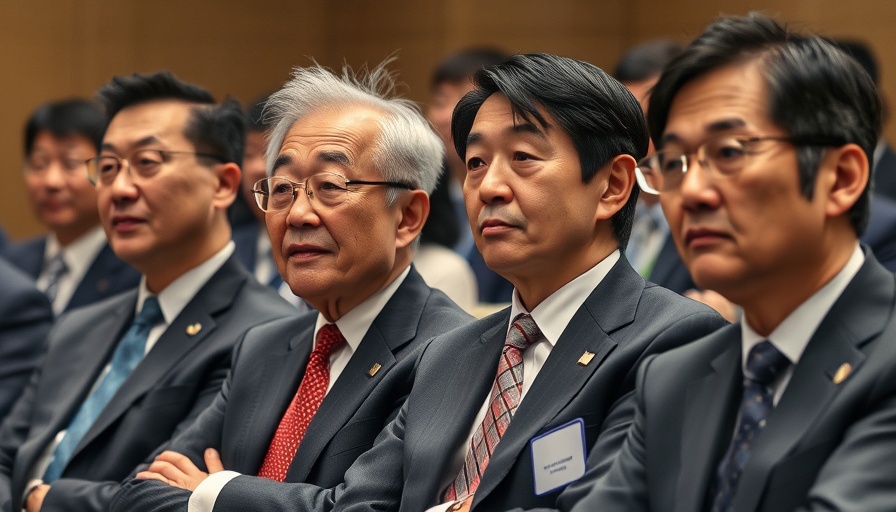
Japanese officials focus at Japan Africa TICAD Conference.

Japan's Renewed Focus on Africa: The TICAD Context

As the world gears up for the ninth Tokyo International Conference on African Development (TICAD IX) this August in Yokohama, Japan has signaled a profound commitment to Africa by deploying a dedicated task force ahead of the extravaganza. Directed by Japanese Prime Minister Shigeru Ishiba, this initiative aims to foster enhanced cooperation between Japan and African nations, addressing critical challenges such as economic growth, infrastructure development, and regional stability.

High Stakes for African Development

The TICAD platform has historically served as a catalyst for dialogue and proactive strategies on the continent, focusing on paramount issues from decolonization efforts to modern economic diplomacy. At this year's conference, discussions will likely center around exploring sustainable development pathways while respecting African sovereignty and promoting Afrocentrism in global economic narratives.

A Task Force with Purpose

Deploying teams from Japan's foreign and trade ministries, Ishiba's task force will prioritize critical areas such as trade, investment, and technology transfer. The intention is to prepare actionable strategies that encourage partnerships with African nations, assisting them in tackling pervasive issues like corruption, governance, and infrastructure deficits. Innovations in the digital sphere, especially fintech, mobile money solutions, and artificial intelligence, are expected to take center stage.

The Role of the Diaspora

Another important aspect that will be considered is the engagement of the African diaspora—a crucial player in fostering development through remittances and entrepreneurship. Leveraging the knowledge and resources of the diaspora not only revives local economies but also strengthens cultural ties across continents. This exploration is pertinent as populations grapple with modernity and traditional cultural legacies.

The Need for Youth Empowerment

While addressing economic growth, attention must also be drawn towards youth empowerment and employment opportunities. With a significant proportion of Africa’s population being under 30, discussions at TICAD IX will delve into connecting youth talent with significant job markets. This could be vital for Africa to combat unemployment and spur innovation across various sectors, from agriculture to technology.

Importance of Sustainable Practices

Climate change, food security, and renewable energy practices are other pivotal themes that will be highlighted. As Africa faces increased environmental challenges, sharing Japan's advances in sustainability can assist nations develop frameworks that promote conservation alongside economic progress. Discussions on desertification and the impacts of renewable energy initiatives will showcase Africa's potential to lead in sustainable practices.

Conclusion: Engaging with the African Reality

As the TICAD conference approaches, the collaboration between Japan and Africa represents a forward-looking strategy that not only addresses developmental concerns but also acknowledges the cultural heritage of African nations. Japan's task force deployment signals an intention to foster meaningful interactions that support African sovereignty in addressing its unique challenges. This engagement could redefine Japan's role in promoting peace, security, and prosperity on the continent, drawing lessons from historical contexts and future aspirations.

News & Current Affairs

27 Views

0 Comments

Write A Comment

*
*
Related Posts All Posts
02.08.2026

Exploring the Significance of Uganda and Tanzania's Bilateral Talks

Update Contextualizing Uganda and Tanzania's Bilateral TalksAs the world watches Africa's geopolitical landscape evolve, the strategic partnership between Uganda and Tanzania stands out. The bilateral talks held between the leaders of these nations underscore a commitment to addressing regional challenges, fostering economic development, and enhancing diplomatic ties.In Uganda and Tanzanian leaders hold bilateral talks, the discussion dives into the significance of economic cooperation and security issues, illuminating the broader context of Africa's political landscape. The Significance of the TalksDiscussions centered around crucial issues like trade relations, security cooperation, and infrastructure development reflect an understanding of the intertwined destinies of African nations. This approach aligns with broader trends in African diplomacy, where partnerships are increasingly viewed as mutual pathways to growth and stability. As both countries navigate complex economic terrains, the importance of solidarity becomes apparent, setting a precedent for regional cooperation.Economic Cooperation: Driving African GrowthAt the heart of these talks is the potential for economic collaboration. By enhancing trade routes and aligning investment strategies, Uganda and Tanzania can leverage their unique resources, paving the way for sustainable development. Trade initiatives are anticipated to bolster the economies of both nations, ensuring that prosperity is equitably distributed among citizens. This collaboration on economic fronts is not just beneficial but necessary, especially in the face of global economic uncertainties.Insights into Engagement and SecurityThe security aspect of the dialogue cannot be overlooked. In an era marked by insurgencies and conflicts, a unified stance against regional threats is critical. The leaders recognize that security is foundational to any development agenda. Consequently, joint initiatives to combat terrorism and enhance border security are essential components of their discussions, aiming to create a stable environment conducive to economic progress.Human Rights and GovernanceA comprehensive analysis of the bilateral talks must also examine the critical lens of governance and human rights issues. International observers often scrutinize leadership practices in Uganda and Tanzania, highlighting concerns over civil liberties and political freedoms. This dialogue represents an opportunity for both nations to reflect on their governance models and tackle issues of accountability and public engagement. The diplomatic engagement could transcend mere economic partnership, evolving into a platform for dialogues on democracy and governance, which is quintessential for long-term stability.Future Predictions: A Trend of Unity?Looking ahead, the implications of these talks could signal a shift towards greater unity among African nations in overcoming shared challenges. Analysts predict that as Uganda and Tanzania strengthen their bilateral ties, other African countries might follow suit, creating a ripple effect of cooperation across the continent. This approach could be pivotal in addressing systemic issues like poverty and unemployment, while also fostering a sense of regional identity and purpose among African nations.Conclusion: Cultivating an Informed PerspectiveIn conclusion, the recent bilateral talks between Uganda and Tanzania mark a pivotal moment in African politics and diplomacy. They highlight the necessity of unity in addressing the multifaceted challenges facing the continent. For professionals engaged in African affairs, understanding these dynamics is critical as they shape not only the future of the involved nations but also influence the wider geopolitical landscape of Africa.This exploration into the complexities of bilateral relations serves as a reminder that cooperation and informed dialogue remain central tenets in achieving sustainable development and regional stability across Africa. For readers keen to stay updated on African politics, examining key developments such as these is vital for fostering a well-rounded understanding of the continent's trajectory any subsequent shifts in governance and policy may reflect.

02.08.2026

Wiandre Pretorius's Suspected Suicide: A Stark Reality of South African Politics

Update The Tragic Death of Wiandre Pretorius: A Reflection on South Africa's Dark Underbelly In a shocking twist emblematic of the challenges facing South Africa's criminal justice system, Wiandre Pretorius—implicated in the Madlanga Commission—reportedly died by suicide shortly after surviving an alleged assassination attempt. His death at a petrol station in Brakpan has raised profound questions about the safety of whistleblowers and the integrity of oversight bodies amid rampant accusations of corruption and violence in law enforcement. The Context of the Madlanga Commission Established to investigate corruption and instability within South Africa’s policing and legal systems, the Madlanga Commission has become a crucible for real political and legal scrutiny. Noteworthy testimonies, particularly that of Witness D, have exposed a bitter reality where police complicity extends into hunting down and silencing inconvenient witnesses. Witness D, who played a pivotal role in implicating various members of law enforcement, was murdered just months ago, illustrating the very real threats faced by those who dare to speak the truth. A History Replete with Violence Pretorius's demise is mired in the violence that echoed the commission's previous hearings. He was directly implicated in crimes of torture and murder tied to policing operations gone awry. The narrative surrounding his life as both an informant and a participant in unlawful acts underscores a troubling nexus between crime, corruption, and a justice system that often appears complicit in its failings. Why Pretorius's Death Matters The implications of Pretorius’s death extend beyond the individual. It highlights systemic flaws within South Africa's approach to policing and accountability. Policymakers and civil society groups must grapple with the notion that justice often eludes those who seek it, perpetuating a cycle of fear that stifles community trust in law enforcement. The Cycle of Fear: Whistleblowers Under Attack There has been increasing concern over the physical safety of whistleblowers in South Africa, as evident in Pretorius's case. After surviving an attempt on his life just days before his death, there is a palpable fear that fewer individuals will step forward to expose corruption and violence. This raises alarming questions about who can ever testify against wrongdoing if the price of doing so is a death sentence. Implications for Future Policing and Legal Reforms The fallout from these revelations could push South Africa's civic leadership to reconsider their approach to both policy-making and policing. Enhanced protections for whistleblowers, alongside rigorous accountability measures for those in power, must become paramount if the narrative is to shift away from one of violence and intimidation. Broader Societal Impact The reassurance offered by law enforcement in response to such incidents is often viewed as flimsy at best. President Cyril Ramaphosa has called for enhanced security measures for witnesses, but calls for action must translate into tangible changes, or the ongoing crisis within South African policing may only deepen. Without robust legal protections, the civil society's hope for transformation may remain unfulfilled. A Final Reflection on Pretorius’s Legacy The public’s response to Pretorius's death may serve as a litmus test for how deeply ingrained the issues of policing corruption are in South Africa. As citizens look for stability and justice, the struggle for equity and accountability continues to underscore the dynamics of South African politics today. In closing, the tragic end of Wiandre Pretorius is not merely an individual tragedy; it is a reflection on the state of South Africa and the necessary pursuit of justice, peace, and safety for all citizens. Addressing these systemic issues is crucial to making real strides towards a more just society.

02.07.2026

A Royal Coronation for Dr. Ruben Maurice West: New Leadership in the Kham Royal Kingdom

Update Coronation Ceremony Marks a New Chapter for the Kham Royal KingdomOn February 6, 2026, a significant chapter in the history of the Kham Royal Kingdom unfolded as Dr. Ruben Maurice West of the United States was officially crowned as king. The ceremony, presided over by His Royal Highness King Tikoe Tefo Meshack Lekitlane, was a convergence of leadership, community spirit, and cultural heritage, echoing the kingdom's commitment to unity and progress.The royal palace was filled with dignitaries, traditional leaders, and international guests, making the event not just a state occasion, but a landmark celebration of all that this monarchy stands for. As Amb. Dominic Obadiah noted, Dr. West's installation heralds the arrival of a 'true leader' ready to make a meaningful impact, thereby reinforcing the broader notion of principled leadership and international collaboration.Emphasizing Cultural Heritage and ResponsibilityHis Royal Highness King Tikoe Tefo Meshack Lekitlane spoke fervently about the dual nature of coronation as both an honor and a weighty responsibility. "Today we recognized a leader whose service and values align with the spirit of our Kingdom and our commitment to building stronger communities through respect and purpose," he declared. This statement captures the essence of the event, spotlighting the intersection between leadership and cultural stewardship.The Kham Royal Kingdom, embedded in South Africa's rich traditions, is similarly situated at a crossroads, where historical customs meet contemporary leadership needs. Through ceremonies like this, the kingdom seeks to preserve its cultural identity while promoting community upliftment. Dr. West was anointed in an age-old tradition designed to bind him to his new commitments, not solely reducing his role to that of a symbolic figurehead, but charging him with the responsibility of effective governance and community service.Dr. Ruben Maurice West: A Leader with a VisionDr. West's journey to the throne is complemented by an extensive background in humanitarian work and civic leadership. Prior to his coronation, he was honored as a National Hero in Kenya, a testament to his good works, which have spanned continents. Recognized for his dedication to service and philanthropy, Dr. West has received accolades including the National Heroes Award from Kenyan President William Ruto.His ambition and ethos align closely with the ideals of democracy, accountability, and transparency, crucial elements in a nation looking to redefine its social fabric post-apartheid. His aspirations resonate not only with the Kham Royal Kingdom but ripple outward, impacting broader socio-political landscapes across nations.The Role of Traditional Leadership in Contemporary PoliticsThe relevance of traditional leaders in modern governance cannot be overlooked. With the interplay of culture and politics, Dr. West’s coronation reflects a blend of historical reverence and modern democratic ideals. This synthesis resonates with the principles outlined in South Africa’s constitution, where traditional leadership is recognized but must operate within the framework of a democratic system. This cooperative governance approach ensures that various voices — both traditional and modern — contribute to the shaping of society.Impacts on Governance and Future TrendsThe future of leadership in the Kham Royal Kingdom is likely to pivot on Dr. West's commitment to addressing pressing local issues such as inequality, poverty alleviation, and community health. By combining traditional values with contemporary governance practices, there’s potential for transformative change within the kingdom, reflecting South Africa’s broader challenges and aspirations.Call to Action: Engaging with Cultural HeritageAs Dr. West embarks on his new journey, the local and international communities are urged to engage with the cultural heritage of the Kham Royal Kingdom. Understanding and contributing to this rich legacy not only honors the past but also plays a pivotal role in shaping an equitable future for its citizens.

Terms of Service

Privacy Policy

Core Modal Title

Sorry, no results found

You Might Find These Articles Interesting

T
Please Check Your Email
We Will Be Following Up Shortly
*
*
*