Add Row
Add Element
PR Africa: Your Gateway to Comprehensive African News and Insights
update
PR Africa
update
Add Element
  • Home
  • Categories
    • Entertainment
    • Automotive
    • Politics
    • Finance
    • Health & Fitness
    • Sports
    • Business
    • Cryptocurrency
    • Education
    • Fashion & Beauty
    • Home & Garden
    • Foreign Language News
    • Lifestyle
    • Real Estate
    • Religion
    • Science
    • Technology
    • Travel
    • News & Current Affairs
    • Crime & Safety
    • Arts & Culture
    • Environment
    • Food & Drink
    • Extra News
February 27.2025
3 Minutes Read

Jaden Hendrikse Takes the Helm for Sharks; Challenges Continue with Etzebeth’s Absence

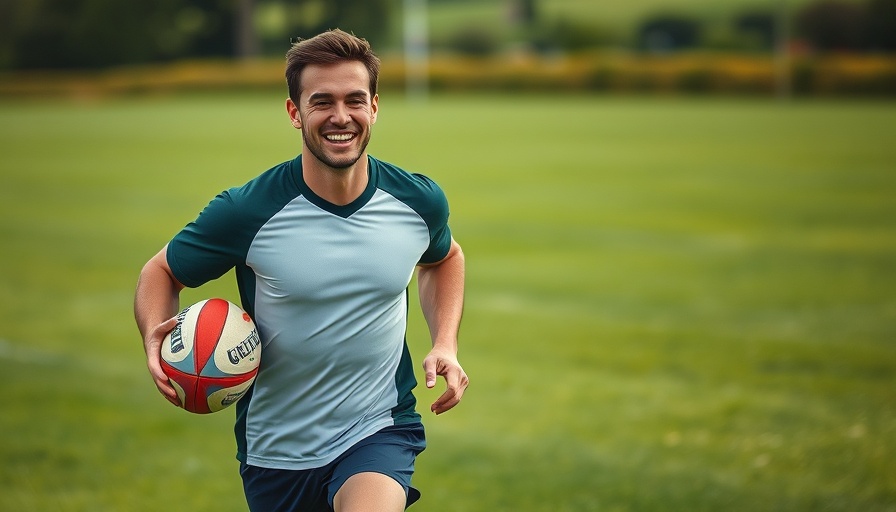
Rugby player running on field, Jaden Hendrikse Shark scrum-half

The Sharks’ Lineup Shift: A New Era for Jaden Hendrikse

The Sharks are making notable adjustments that could shift the momentum in their game strategy, particularly with Jaden Hendrikse taking on the pivotal role of scrum-half. Following the recent absence of seasoned player Eben Etzebeth, Hendrikse’s return is both timely and crucial. The Sharks face the challenge of maintaining their ranking in the United Rugby Championship (URC) while competing against formidable rivals such as the Bulls and Lions.

Eben Etzebeth: A Significant Absence

Eben Etzebeth’s ongoing struggle with concussion symptoms has left a considerable void in the team lineup. As one of South Africa’s top rugby players, his absence is not only felt on the field but also in the locker room, impacting team morale and dynamic. The Sharks’ management revealed that they are handling Etzebeth’s condition with utmost care, aiming for his safe return rather than rushing him back prematurely.

Springboks’ Impact on Team Dynamics

Hendrikse’s reintegration into the Sharks prescribes not just a tactical shift but also brings fresh energy to the team. His prior experience with the Springboks enhances his capacity to lead and adapt under pressure. With a remarkable performance during his last senior outing, scoring a try against Munster, expectations are high as he returns to the pitch. Sharks director of rugby, Neil Powell, emphasizes that Hendrikse’s experience will be vital as the team heads into high-stakes matches against traditional rivals.

Rugby World Cup Buzz: Local vs. International Focus

The current changes within the Sharks reflect larger trends within South African rugby, particularly as they lead up to significant events such as the Rugby World Cup. Fans are eagerly watching how local clubs, including the Sharks, are preparing their players to restore South Africa's legacy in international rugby.

Rest of the Team Stepping Up

In the absence of key players like Etzebeth, other squad members are gearing up to take on leadership roles. Captain Vincent Tshituka finds himself in a position where he must balance motivating the younger players while integrating seasoned veterans like Siya Kolisi, who brings invaluable experience from international play. Each matchup now serves as a critical opportunity for team growth and strategy refinement.

What Lies Ahead for the Sharks?

The Sharks currently sit fourth in the URC standings after showcasing a strong performance against the Bulls. As they adapt to the changing lineup, the need for cohesive teamwork becomes all the more critical. The upcoming match against a strong Lions side will test their resolve and spirit, possibly setting the tone for the rest of the season. Fans are encouraged to rally behind their team, seeing it as a pivotal moment for the Sharks to prove their mettle.

Conclusion: Navigating Challenges in Rugby

For athletes and fans alike, understanding the intricacies of team dynamics, player health, and recovery processes is crucial in the world of competitive sports. The Sharks, amidst their challenges, offer a narrative of resilience and adaptation that is fundamental not just in rugby but across all sports. The future appearances can be an inspiration and guide on how to navigate challenges, both physically and mentally.

Sports

11 Views

0 Comments

Write A Comment

*
*
Related Posts All Posts
01.10.2026

Morocco's AFCON Victory: The Truth Behind Referee Bias Allegations

Update Morocco's Triumph and its Off-Field Controversies The recent Africa Cup of Nations (AFCON) quarterfinal saw Morocco's Atlas Lions triumph over Cameroon with a decisive 2-0 win. This match solidified Morocco's stance as a formidable force in African football, yet it also cast a shadow of controversy regarding allegations of referee bias in favor of the host team. The Moroccan coach, standing firm against these allegations, asserted the integrity of the match officials and emphasized the importance of focusing on the team’s performance rather than external narratives.In 'Morocco coach rejects allegations of AFCON refs bias for the host team', the discussion dives into the ongoing debate about officiating integrity in African football. Here, we analyze the implications and broader context surrounding these allegations. Historical Context: The Dynamics of AFCON The AFCON tournament has always been a hub for intense competition but also for political narratives that often extend well beyond the football pitch. Historically, accusations of favoritism regarding refereeing decisions are not uncommon during major tournaments, especially when host nations participate. These claim chains often lead to heated debates among supporters and analysts alike. In this edition, Morocco, backed by a passionate fanbase, finds itself under scrutiny. This moment serves to remind us of the weight that results carry, particularly in a continent where football often intersects with national pride and identity. The Emotional Stakes: Football as a National Symbol For many Africans, football transcends mere competition; it serves as a profound emotional anchor. National teams represent not just athletes but the essence of national identity, pride, and hope. Morocco's run in AFCON is not solely about advancing in a tournament, it reflects the aspirations of millions. The intensity surrounding this latest match underscores that sports can inspire both unity and division. Understanding this context sheds light on how allegations of bias can affect public sentiment and national morale. The Broader Relevance of Referee Decisions Referee decisions can have significant implications for a match's outcome, but they also highlight broader issues within African sports governance. How matches are officiated can mirror larger systemic flaws in sports administration and regulation. The Moroccan coach’s refusal to entertain allegations of bias suggests a conscious effort to elevate the conversation from finger-pointing to fostering a culture of respect for officiating. This situation presents an opportunity for sports authorities across Africa to evaluate and enhance their officiating standards, ensuring integrity and fairness in future tournaments. Future Predictions: Navigating the Aftermath Looking ahead, the conversation surrounding referee bias in the AFCON should prompt proactive measures from the Confederation of African Football (CAF). As football gains global attention, ensuring transparency in officiating will be crucial in maintaining the sport's integrity and credibility. The CAF may need to implement standardized training sessions for referees, robust review mechanisms, and engaging platforms for fan feedback. Failure to address these concerns may lead to a rise in skepticism regarding future tournaments, undermining the sport's development on the continent. Call for Accountability: What Fans Can Do As events unfold, fans, analysts, and stakeholders alike should champion transparency and accountability within the sport. Calling out mismatches or perceived injustices should serve to fuel discussions that advocate for better governance and fair play in African football. Fans can use platforms such as social media to voice their opinions constructively, applying pressure on governing bodies to address concerns. It is through such efforts that the sport may evolve and the integrity preserved. Conclusion: A Call to Value Integrity Over Allegations In conclusion, the recent allegations surrounding referee bias in the AFCON serve as both a reminder and an opportunity. While the focus right now may be on Morocco's impressive performance, it is crucial for all stakeholders to engage in dialogues that promote accountability and integrity in sports governance. The African football community must collectively recognize that supporting teams goes hand-in-hand with advocating for fairness, thus ensuring that the true spirit of the game shines through. By embracing these values, we not only uphold sportsmanship but foster a more transparent and engaging sporting environment for future generations.

Terms of Service

Privacy Policy

Core Modal Title

Sorry, no results found

You Might Find These Articles Interesting

T
Please Check Your Email
We Will Be Following Up Shortly
*
*
*