Add Row
Add Element
PR Africa: Your Gateway to Comprehensive African News and Insights
update
PR Africa
update
Add Element
  • Home
  • Categories
    • Entertainment
    • Automotive
    • Politics
    • Finance
    • Health & Fitness
    • Sports
    • Business
    • Cryptocurrency
    • Education
    • Fashion & Beauty
    • Home & Garden
    • Foreign Language News
    • Lifestyle
    • Real Estate
    • Religion
    • Science
    • Technology
    • Travel
    • News & Current Affairs
    • Crime & Safety
    • Arts & Culture
    • Environment
    • Food & Drink
    • Extra News
March 23.2025
3 Minutes Read

How the Daily Lotto Reflects South African Economic Challenges

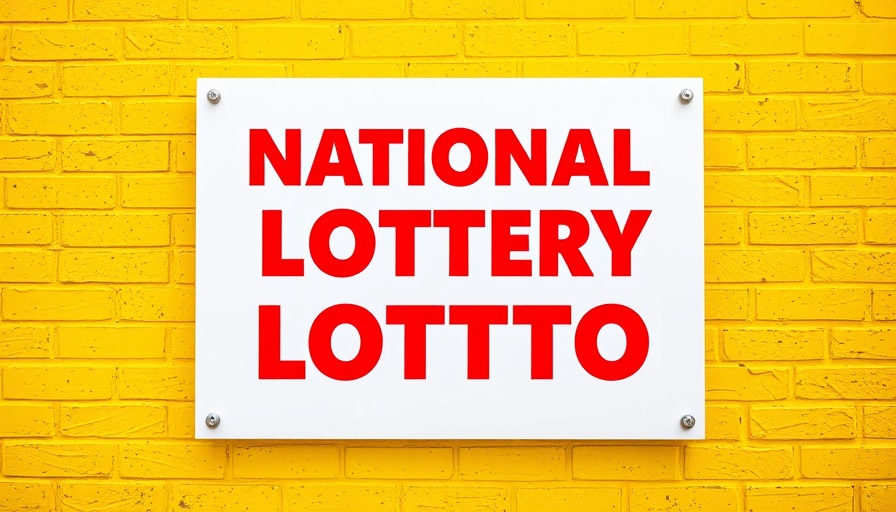
National Lottery Daily Lotto sign on yellow wall.

The Daily Lotto: A Glimpse into the Lottery Landscape

The South African Daily Lotto has become a significant fixture in the lives of many citizens, offering not just the thrill of chance but also an economic reflection of the nation's challenges and opportunities. Each draw carries the weight of hope for many who face the daily reality of economic hardship, employment struggles, and the ongoing impacts of socio-political dynamics. As professionals navigate this landscape, understanding the broader implications of lottery trends can provide insights into consumer behavior and social wellbeing.

The Politics of Luck: How National Elections Influence Lottery Participation

South African politics and national elections often dictate the public mood and economic conditions that can influence lottery participation. For instance, periods of political uncertainty or corruption scandals, like the recent state capture discussions involving various political parties, can affect consumer spending patterns. Citizens facing unemployment or inflation may turn to the Daily Lotto as an affordable form of entertainment or even a desperate bid for financial respite. The Democratic Alliance, EFF, and ANC's policies significantly shape these economic narratives, creating a complex interplay between governance and individual aspirations.

Social Connections: The Community Impact of Lottery Wins

Winning the Daily Lotto can transform lives, but it also impacts communities. When individuals win, it often leads to increased local spending, which can revitalise struggling areas and foster small business development. This ripple effect can be crucial in a country grappling with high unemployment rates and a yearning for economic recovery. However, the accompanying scrutiny and public attention on winners also raise valuable discussions about wealth distribution and economic equity, particularly in the context of South Africa's socio-economic disparities and race relations.

Future Insights: Predictions on Lottery Trends Amid Economic Challenges

Looking ahead, analysts can anticipate that the South African Daily Lotto will continue to evolve, reflecting shifts in economic conditions and public sentiment. As the country navigates the challenges posed by load shedding, rising inflation rates, and ongoing corruption investigations, lottery participation may fluctuate. However, imaginative strategies such as community-focused education on financial management for winners could help harness lottery success for broader community benefits. Such initiatives could enhance fiscal responsibility among winners, encouraging investments that lead to long-term community advantages.

Conversations Worth Having: Debunking Common Myths About Lottery Participation

Many misconceptions surround lottery participation, such as the belief that it is predominantly a pastime for the less educated or financially desperate. In reality, the demographics of players often reflect a cross-section of society, highlighting varied motivations, from entertainment to hope in an uncertain economic climate. Additionally, while the odds may seem daunting, platforms like the Daily Lotto provide a similar appeal to popular entertainment options, demonstrating how socio-economic factors influence gambling behaviors. Understanding these dynamics is particularly relevant in conversations about responsible gaming and intervention efforts against gambling addiction.

Empowering Insights: Making Informed Choices with Lottery Information

With the increase in available data regarding lottery outcomes, players and community leaders can make more informed decisions about their participation. Understanding trends in lottery numbers can guide individuals and even groups when opting into this form of chance. Professionals equipped with this knowledge can engage in discussions about responsible gaming practices, advising against excessive spending while still enjoying the thrill of the game.

In conclusion, the Daily Lotto's role in South Africa encompasses far more than mere chance; it reflects complex socio-political dynamics and offers insights into the nation's economic health. As the landscape continues to shift, staying informed can empower citizens to make choices that resonate well beyond the tickets they purchase. Join the conversation and reflect on how information and community engagement can reshape the narrative around playing the Lotto.

News & Current Affairs

26 Views

0 Comments

Write A Comment

*
*
Related Posts All Posts
12.20.2025

Laborie Wine Estate Fire: Threat to Cultural Heritage and Community Resilience

Update Laborie Wine Estate Fire: A Cultural Heritage at Risk The Laborie Wine Estate, a cornerstone of South Africa’s historical and cultural narrative, has been recently threatened by a significant fire incident that erupted on Saturday. Located in Paarl, this estate's rich heritage, spanning nearly three hundred years, makes it a key attraction for both locals and tourists alike, and the recent blaze serves as a stark reminder of the vulnerabilities that historical sites face amidst changing climate conditions. Fire Efforts: A Team Response in Challenging Conditions Beginning around midday, the fire quickly engulfed the Cucina Di Giovanni restaurant and the first wing of the estate’s accommodations. Prompt action by the local fire services, including Drakenstein and Stellenbosch firefighters, was instrumental in controlling the flames. Their challenges were compounded by strong winds that posed risks of spreading the fire to the estate's iconic Manor House and second accommodation wing. Authorities have commended the tireless efforts of emergency services, highlighting the importance of preserving these heritage buildings amidst modern challenges. Impact of the Incident and Future Implications This incident raises concerns not only about the immediate damage but also about the broader implications for local tourism and economic stability. The Laborie Estate is not just a historical site; it is an active participant in South Africa's tourism economy. With tourism recovery as a national priority amid the ongoing struggles with issues such as load shedding and economic fluctuations, every effort to safeguard these sites becomes imperative. The estate attracts visitors who contribute significantly to the local economy, and damage to such venues could have long-lasting repercussions. Climate Change: A Silent Threat As global warming continues to alter weather patterns, the risks associated with wildfires are becoming more pronounced. South Africa’s increasing vulnerability to climate-related disasters—exemplified by prolonged droughts and erratic weather—underscores the urgent need for effective disaster management strategies. The Laborie incident could serve as a catalyst for broader discussions on climate resilience in local governance, urging municipal bodies to take decisive action in fire prevention and the safeguarding of cultural assets. Community Resilience and Engagement The response to the Laborie fire also reflects a community's resilience, with numerous locals rallying behind the restoration efforts. This incident has fostered a sense of unity and activism within the community, reinforcing the bond between heritage preservation and community pride. Residents and stakeholders are encouraged to engage more deeply in local governance discussions, particularly concerning environmental protection and heritage conservation, ensuring that such incidents are mitigated in the future. Conclusions and Call to Action As the dust settles regarding this unfortunate event, it is clear that proactive measures must be adopted to protect our heritage. Preservation isn’t merely about saving buildings; it’s a commitment to maintaining the cultural richness that defines our communities. Residents and tourists alike can advocate for local policies that prioritize heritage conservation, ensuring that the Laborie Wine Estate remains a beacon of history for generations to come. Get involved with local heritage initiatives and voice your support for policies aimed at protecting our cultural sites against future threats.

12.19.2025

Greece’s Major Rescue of 545 Migrants: Unpacking the Distress Call

Update Understanding the Importance of Migrant Rescues in the Mediterranean The Mediterranean Sea continues to bear witness to a complex humanitarian crisis that has seen thousands risk perilous journeys in hopes of a better life. The recent rescue operation off the coast of Gavdos Island, where 545 migrants were saved from distress, highlights both the urgency and human cost of this ongoing issue. This rescue not only underscores the courageous efforts of Greek authorities but also illustrates the broader global response required to address migrant crises.In Greece rescues 545 migrants off Crete after distress call, the discussion dives into the critical humanitarian response required in Mediterranean migration crises, prompting a deeper analysis of broader implications. Historical Context and Background of Migration in the Mediterranean The Mediterranean route has long been a critical passage for refugees and migrants, with conflicts in regions such as Africa and the Middle East driving people towards Europe. Since the early 2000s, a significant increase in marine accidents related to migrant vessels has raised alarms. This historical backdrop helps us comprehend the scale of the crisis today and the need for continual responses from governments and NGOs alike. The Role of Mediterranean Nations in Crisis Management Countries bordering the Mediterranean, like Greece, Italy, and Malta, have become frontline states in managing migrant flows. The challenges they face include political pressure from the European Union, domestic concerns over integration, and the ethical implications of their rescue operations. The Greek government’s swift action to rescue the 545 migrants reflects its commitment to international humanitarian obligations, even as it navigates the intricate rhetoric surrounding migration policy. Counterarguments and Diverse Perspectives on Migration Policies Despite the humanistic approach to rescuing migrants, different viewpoints persist regarding migration policies. Some argue for stricter border controls to regulate the influx of migrants, citing security and economic reasons. Conversely, human rights advocates advocate for more compassionate policies that prioritize the dignity of migrants. This divergence illustrates a complex debate that intertwines humanitarian concerns with geopolitical realities. Relevance to Current Events: Broader Implications for the EU The European Union continues to grapple with the implications of increased migration, especially following the COVID-19 pandemic and recent geopolitical developments, including the crisis in Afghanistan. The situation regarding migrant rescues, like the recent incident near Gavdos, serves as a reminder of the pressing need for cohesive and sustainable migration strategies essential for both migrant welfare and regional stability. Unique Benefits of Understanding Migrant Issues For professionals working in governance, humanitarian aid, and international relations, understanding the migrant situation in the Mediterranean can be vital. It enables informed decision-making regarding policy frameworks necessary to address humanitarian needs while balancing national interests. Additionally, it allows for the generation of insight into fostering cooperation across borders, emphasizing shared challenges and collective solutions. Actionable Insights: What Can Be Done? For those involved in the response to migration crises, several actionable insights can be derived from the latest rescue efforts. Building partnerships between governments and non-governmental organizations can enhance the capacity to respond effectively. Advocating for policies that promote safe migration pathways and investing in local development opportunities in origin countries can alleviate the pressures that lead individuals to embark on risky journeys. Conclusion: A Call to Engage with Humanitarian Issues The distress call from the migrants off Crete is not just a momentary incident but rather a reflection of a much larger narrative surrounding migration in today's world. As professionals, it is crucial to engage with the multifaceted aspects of this crisis, recognize the interconnectedness of global events, and work towards creating solutions that uphold humanitarian values. We encourage individuals and organizations to commit to advocacy, support initiatives focused on integrating migrants and refugees, and inform the public through channels like Africanews to raise awareness of these pressing issues.

12.19.2025

Unveiling the Influence of Fouad Ali el-Himma in Morocco’s Governance and Culture

Update Understanding the Influence of Fouad Ali el-Himma in Morocco In the complex landscape of Moroccan politics, few figures wield the influence that Fouad Ali el-Himma does. As a senior advisor to King Mohammed VI, often referred to as the monarch's 'viceroy', El Himma is pivotal in shaping both domestic and international policy. His network extends across four continents, gathering insights not just from politics but from sports, media, and diplomacy — making him a central figure in the spheres of governance and national identity. The Political Landscape: Governance and Power Dynamics Since gaining prominence as Secretary of State in 1999, El Himma's political career has been marked by a deep intertwining of governance and royal favor. His close relationship with the king, forged since their childhood at the Collège Royale, solidifies his position in navigating the complexities of Moroccan state functions. This political intimacy gives him unparalleled access and influence over critical discussions, extending even to Morocco's strategic moves regarding Western Sahara. The Role of El-Himma: Diplomat, Strategist, and Organizer With major events like the 2030 FIFA World Cup looming on the horizon, El Himma is instrumental in bolstering Morocco's international image and capacity for hosting such grand undertakings. His strategic lobbying efforts, especially concerning the Western Sahara conflict at global forums like the UN, display a calculated approach aimed at consolidating Morocco's territorial claims while fostering diplomatic relations. Sports, Culture, and Global Engagement El Himma’s influence extends into the cultural realm through initiatives like the Africa Cup of Nations, which not only showcases Moroccan hospitality but also places the nation firmly on the continental map of sports and cultural interactions. By advocating for events that resonate with Pan-African values, he encourages tourism, national pride, and a unified cultural identity across the African diaspora. Challenges to Authority and Public Perception Despite his stature, El Himma's role is not without challenges. Public perceptions of corruption and governance in Morocco can tarnish his credibility, as seen with various controversies surrounding major infrastructure and foreign investment deals. Issues of social inequality and youth unemployment in Morocco amplify these perceptions, presenting an obstacle to the noble ambitions that surround major events he orchestrates. Future Predictions: The Path Ahead for Morocco As Morocco approaches a potentially transformative decade with ambitions for economic growth, urban development, and inclusive governance, the role of advisors like El Himma may become even more critical. With the African Continental Free Trade Area (AfCFTA) on the horizon, the emphasis on regional integration could present both opportunities and challenges that require astute navigation of political dynamics and public sentiment. Concluding Thoughts: The Impact of Strong Leadership The narrative surrounding Fouad Ali El Himma underscores the importance of strategic leadership in Morocco’s intricately woven social and political tapestry. As Morocco seeks to balance tradition with modernization, the efficacy of guidance from seasoned figures like El Himma will undoubtedly influence the kingdom's trajectory on both a continental and global scale. The lessons learned from his leadership style might inspire future leaders to prioritize harmony between governance, cultural identity, and global engagement.

Terms of Service

Privacy Policy

Core Modal Title

Sorry, no results found

You Might Find These Articles Interesting

T
Please Check Your Email
We Will Be Following Up Shortly
*
*
*