Add Row
Add Element
PR Africa: Your Gateway to Comprehensive African News and Insights
update
PR Africa
update
Add Element
  • Home
  • Categories
    • Entertainment
    • Automotive
    • Politics
    • Finance
    • Health & Fitness
    • Sports
    • Business
    • Cryptocurrency
    • Education
    • Fashion & Beauty
    • Home & Garden
    • Foreign Language News
    • Lifestyle
    • Real Estate
    • Religion
    • Science
    • Technology
    • Travel
    • News & Current Affairs
    • Crime & Safety
    • Arts & Culture
    • Environment
    • Food & Drink
    • Extra News
September 05.2025
3 Minutes Read

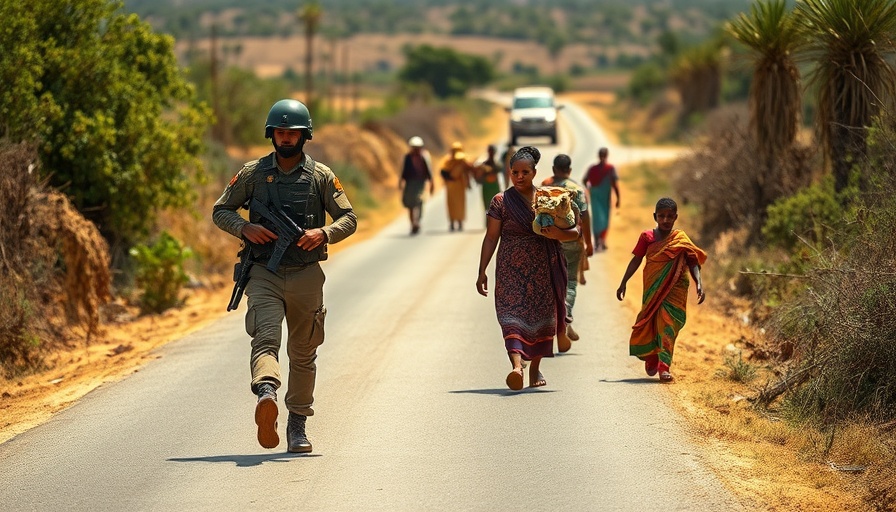
How MINUSCA's Joint Patrol Initiative can Enhance Road Safety in CAR

Peacekeeper in Central African Republic ensuring road safety.

The Need for Enhanced Road Safety in the Central African Republic

Traffic accidents in the Central African Republic (CAR) have reached alarming numbers, leading to a pressing need for immediate intervention. Following several tragic accidents, the United Nations Peace Mission, known formally as MINUSCA, has initiated joint patrols alongside the Central African Internal Security Forces to address this growing concern. On August 27, an operational milestone was achieved in Bangui, as this initiative aimed not only to enhance road safety but also to foster a sense of community trust between security forces and locals.

In Enhancing road safety in Central African Republic: MINUSCA's joint patrol initiative, the discussion dives into critical efforts to address road safety challenges faced in the region, leading us to delve deeper into this vital subject.

Understanding MINUSCA's Approach to Road Safety

MINUSCA's proactive measures include a visible security presence on the roads, which is critical to deterring reckless driving behaviors. The focus on educational outreach during these patrols is particularly noteworthy; participating officers directly engaged with motorcycle riders and taxi drivers to impart essential safety protocols. Proper understanding and adherence to road rules, such as the importance of speed limits and conversation-free driving, are crucial components in decreasing the frequency of accidents.

Community Engagement and Its Benefits

Through these community outreach programs, MINUSCA aims to promote responsible driving habits. By facilitating discussions on accident prevention measures, they educate road users on vital topics—such as the use of seatbelts, wearing helmets, and the dangers associated with mobile phone usage while driving. This strategy not only engages the public but also prompts them to become advocates for road safety, thereby amplifying the positive impact of the initiative.

Collaboration with Local Authorities

Collaborative efforts with national authorities, like the Ministry of Transport and Civil Aviation, underpin MINUSCA's initiatives. Annual road safety campaigns stemming from these collaborations emphasize training sessions that focus on traffic rules compliance. The proposal to further educate unlicensed drivers showcases a commitment to addressing the root of the problem—poor training and lack of awareness among drivers.

Lessons from Global Best Practices

Examining successful global models underscores the necessity of continuous engagement with community members for effective road safety strategies. Similar initiatives led by law enforcement in countries with high traffic accident rates have involved educational workshops, community celebrations centered on safe driving, and the introduction of stricter traffic laws. By adopting elements from these best practices, CAR can pave the way for a more rounded approach to road safety.

Fostering Trust Between Security Forces and Locals

One objective of MINUSCA's patrol initiatives extends beyond immediate road safety; it seeks to boost the trust level between local inhabitants and security personnel. Experiences of collaboration in everyday activities can elevate the rapport between these two groups, which is often strained in post-conflict scenarios. When communities perceive security forces as allies rather than adversaries, they are likely to participate actively in safety discussions, thus leading to sustained improvements.

The Future of Road Safety in the CAR

As these initiatives gain traction, it is vital to consider the future landscape of road safety in the CAR. Government investment in infrastructural improvements and more comprehensive safety campaigns will be necessary to maintain positive behavioral changes among road users. An ongoing commitment to establishing a culture of safety is essential for reducing accidents, saving lives, and fostering a more secure environment for all citizens.

Conclusion: Take Action for the Future

As the population increasingly embraces these safety campaigns, a crucial question arises: how can individuals participate in enhancing road safety in their communities? Engaging with local representatives, attending awareness campaigns, and practicing responsible driving habits are necessary actions that every citizen can take. By addressing these issues collectively, the people of the Central African Republic can advocate for better road safety standards and ensure a safer tomorrow for future generations.

Crime & Safety

6 Views

0 Comments

Write A Comment

*
*
Related Posts All Posts
01.17.2026

Cape Town's Mass Shooting Signals the Alarming Rise of Gang Violence Linked to Extortion

Update Mass Shooting in Cape Town: A Stark Reminder of the Violence Linked to ExtortionIn a tragic incident that unfolded in Marikana, Philippi, Cape Town, seven individuals were killed in a mass shooting that highlights a disturbing trend of violence possibly linked to extortion rackets in the area. The victims, comprising one woman and six men aged between 30 and 50, were struck in an incident believed to have occurred around midnight. Police spokesperson Colonel André Traut indicated that investigations are focusing on the potential connections to regional extortion gangs, which have been terrorizing communities, particularly immigrant shop owners.The Shadow of Extortion Gangs Looms Over Cape TownThis heartbreaking event is not isolated. Extortion gangs have tightened their grip on many communities within Cape Town, exploiting both local and immigrant populations. As highlighted by recent reports, these gangs target shopkeepers, forcing them to pay hefty monthly 'protection' fees—often without rendering any real safety or security in return. This creates an atmosphere of fear and desperation among business owners, many of whom are immigrants trying to make a living in a foreign land.Some shopkeepers report paying up to R15,000 a month in various fees demanded by multiple gangs, a significant amount that impacts their ability to sustain their businesses. With the situation escalating, these shop owners feel trapped between the demands of organized crime and the ineffectiveness of law enforcement to protect them adequately. Vigilante justice has begun to rise as community members have taken matters into their own hands, driven by a belief that police are failing to respond to their pleas for help.Impacts of Systematic InactionThe mass shooting serves as a harrowing reminder of the broader context of violence that persists in South African society, particularly within economically vulnerable communities. Voices from the community reveal the extent of neglect from local authorities, which may contribute to the cycles of violence and reprisal. Research has shown that tackling such rampant crime effectively requires systemic change and the commitment of public resources to community safety and economic support for the beleaguered populations targeted by these gangs.Calls for Action: What Can Be Done?Community leaders are now demanding urgent intervention to dismantle these extortion networks, calling for more robust policing strategies, accountability, and supportive measures for affected business owners. Political leaders must also recognize the severity of this crisis and take decisive action to restore trust and safety in the communities of Cape Town. This includes the reevaluation of policy responses toward crime, particularly in addressing the needs of marginalized citizens who bear the brunt of violence and extortion.A Path Forward Amidst the ChaosIn light of these tragic events, it is essential for the local government and law enforcement to communicate effectively with community members and provide platforms through which residents can report crimes without fear of further victimization. Establishing a transparent feedback mechanism can empower communities to take part in shaping their own safety strategies, making vigilantism less necessary.The recent mass shooting underscores a complex interplay between crime and socioeconomic realities that demands immediate attention. This is not just a matter of statistics and weekly headlines; these are the stories of lives torn apart and communities left in fear—fear that has taken root due to the absence of effective governance and the paralysis of the public sector to respond adequately to the needs of its constituents.To truly combat this entrenched violence, a concerted effort from the government, law enforcement agencies, and community organizations is imperative. We must hold those responsible for these heinous acts accountable while simultaneously striving to uplift and empower the communities most harmed by them. Only through significant effort and change can we hope to eradicate the influence of extortion gangs and create a safer, more equitable Cape Town.

01.08.2026

Unpacking the Bryanston Property Hijacking Trend: What It Means for South African Housing

Update Understanding the Rise of Property Hijacking in South AfricaThe recent arrest of Lawrence Ramalwa, accused of hijacking a Bryanston property, is a disturbing example of a growing trend in South Africa. According to Johannesburg Metro Police Department officials, Ramalwa's activities are part of a larger pattern wherein properties are illegally occupied, leading to dire consequences for the legitimate owners and surrounding communities. Hijacked properties, such as the one in question, not only face severe neglect but also become hubs for crime and unsafe living conditions.The Impact on Local CommunitiesThe implications of such criminal activities are immense. With over 150 people living in a single residential property, community safety is compromised. Local city manager Floyd Brink noted that during the recent enforcement operation, officials discovered illegal connections for both water and electricity, highlighting the unsafe conditions residents are forced to endure. These hijacked homes often serve as sites for serious crime, putting the entire neighborhood at risk and straining public resources.Legal Changes and Enforcement ActionsThe city officials intend to continue their operations against property hijacking, an issue exacerbated by the prevailing economic struggles in South Africa. As economic recovery measures unfold amid persistent challenges such as unemployment and crime statistics revealing alarming rates, local governments are pressured to take decisive actions to restore order. This situation has raised questions about the effectiveness of current policies concerning housing and public safety.Broader Considerations: Housing Policy and CorruptionThe Bryanston incident isn’t isolated; it reflects broader systemic issues within the South African housing sector. Land reform processes are often stalled by bureaucracy, and failures in government policy can fuel property hijacking. Moreover, allegations of corrupt practices in the enforcement of property laws complicate the resolution of these disputes. As South Africa prepares for national elections, the handling of property rights and enforcement against hijacking offenses will be under intense scrutiny.Future Predictions: Addressing the Root CausesTo combat property hijacking effectively, stakeholders must address the underlying economic issues driving people to occupy homes illegally. As municipal elections loom, the future of housing policies may hinge on how well political parties address not only crime but also the conditions that foster such criminal behavior. Public discourse will ultimately shape the political landscape, influencing the approaches to housing recovery and socio-economic empowerment.Conclusion: Taking ActionAs civic responsibility calls for awareness and action among stakeholders, understanding the socio-political climate around property rights is crucial. For those affected or concerned about property hijacking, advocacy for robust policies and transparency in local governance can pave the way for solutions that protect legitimate property owners. Continued public engagement is essential to ensuring that property hijacking incidents decline, allowing cities to reclaim and revitalize the places integral to their communities.

01.06.2026

Why DIY Home Security Solutions Are Transforming South Africa's Safety Landscape

Update DIY Home Security: Empowering Homeowners in South AfricaAs concerns regarding safety and preserving personal property rise amongst South Africans, homeowners are becoming increasingly proactive by exploring affordable DIY solutions. With crime rates prompting heightened vigilance, especially in residential areas, the DIY security sector is witnessing significant growth.Shift Towards DIY SolutionsMany South Africans are looking for practical alternatives to traditional security systems, which often require complex installations and hefty contracts. The emergence of DIY security systems, particularly DIY burglar bars and gates, allows homeowners to enhance their safety at their own pace. This approach not only offers convenience but also a sense of control over personal security measures.Leading the way in this DIY trend is Burglar Bar Warehouse, which provides a range of customizable options designed for ease of installation and suitable for various home layouts. Their partnership with Magnador, a leader in physical security, lends credibility and extensive knowledge to their products. Homeowners can choose durable and aesthetically pleasing designs without sacrificing safety.Key Benefits of DIY Security Solutions1. Cost-Effective: By engaging in DIY installations, homeowners often save on installation costs typically associated with professional services.2. Flexibility: Homeowners can install security measures tailored to their specific needs, allowing for modifications as security requirements change over time.3. Quick Installation: DIY systems tend to be user-friendly, often allowing installation within a few hours, offering immediate peace of mind without dealing with lengthy wait times for professional installations.Addressing Fears and Misconceptions About DIY SecurityDespite the shining potential of DIY security solutions, some homeowners remain hesitant due to concerns about the effectiveness of non-professional installations. It's essential to realize that many DIY systems are engineered for simplicity and reliability, complete with user-friendly manuals and customer support to assist in the installation process. Also, studies show that 9 out of 10 burglars are deterred by the presence of a home security system, reinforcing the effectiveness of even simple DIY setups.Understanding the Connection to Broader Property Market TrendsThe current rise in DIY home security solutions aligns with increasingly urbanized lifestyles and commercial real estate trends within South Africa. As urban living becomes more prevalent, so does the need for effective residential safety measures. The focus on affordable housing developments also highlights the significance of integrating effective security solutions into these projects to protect occupants.Future Insights and OpportunitiesThe ongoing advancements in construction technology and building regulations will likely play a pivotal role in shaping future DIY security trends. With increased emphasis on sustainable construction practices, homeowners might benefit from green products offering enhanced security features without compromising environmental integrity.Actionable Insights for HomeownersFor those interested in pursuing DIY home security, consider these steps:Assess your security needs based on your property layout and neighborhood risks.Research user reviews and seek recommendations for trusted brands and products in the DIY security market.Explore local supply stores or online platforms that specialize in affordable DIY security solutions.Stay informed about best practices in home maintenance and safety to enhance overall security.With the rise of DIY security systems, South Africans now have the opportunity to take charge of their home safety by choosing solutions that empower them while meeting their unique needs. This turns home security into a manageable initiative rather than an overwhelming commitment, setting the stage for greater peace of mind in everyday life.

Terms of Service

Privacy Policy

Core Modal Title

Sorry, no results found

You Might Find These Articles Interesting

T
Please Check Your Email
We Will Be Following Up Shortly
*
*
*