Add Row
Add Element
PR Africa: Your Gateway to Comprehensive African News and Insights
update
PR Africa
update
Add Element
  • Home
  • Categories
    • Entertainment
    • Automotive
    • Politics
    • Finance
    • Health & Fitness
    • Sports
    • Business
    • Cryptocurrency
    • Education
    • Fashion & Beauty
    • Home & Garden
    • Foreign Language News
    • Lifestyle
    • Real Estate
    • Religion
    • Science
    • Technology
    • Travel
    • News & Current Affairs
    • Crime & Safety
    • Arts & Culture
    • Environment
    • Food & Drink
    • Extra News
March 11.2025
3 Minutes Read

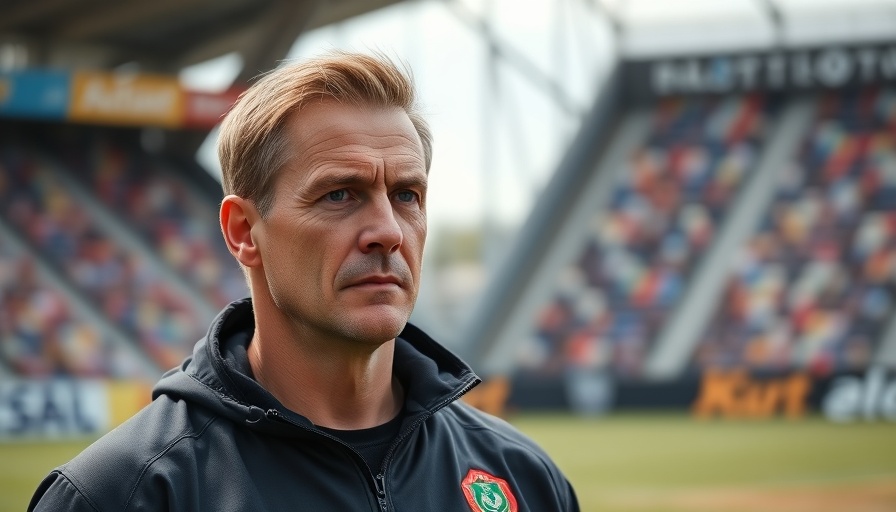
Frans Steyn Promises Cheetahs Won’t Be Outcoached Again

Cheetahs rugby coach on the field in bright daylight.

Coach Steyn Faces Challenges After Opening Defeat

In the exhilarating realm of South African rugby, the recent performance of the Cheetahs has been a compelling discussion point. After a tough match against the Boland Kavaliers that saw the team trail by 19-0 early on, new head coach Frans Steyn acknowledged the errors made in their season opener. The Cheetahs staged a commendable comeback to briefly lead 29-25, but let a late hat-trick from Lunathi Nxele and a last-minute try from Garth April slip through their fingers, leading to a painful 45-29 defeat.

Preparing for a Redemption Clash Against Leopards

With the sting of their first loss fresh, Steyn made it clear that he and his team are committed to learning and improving. "We got outcoached by Boland," he stated, reflecting on his debut in the head coach role. The team had struggled both strategically and physically, a combination that led to critical mistakes at pivotal moments. As this week draws near, the Cheetahs will face the Leopards, a team known for their aggressive play. "We have to be prepared; they always come out guns blazing," said new captain Louis van der Westhuizen, stepping into the role while Victor Sekekete is sidelined.

Balancing Experience with Youth Development

Frans Steyn highlighted the importance of balancing experienced players with younger talent, driving home the point that nurturing the next generation is vital for the Cheetahs' long-term success. As they restructure their team dynamics, incorporating emerging talents from local academies will be a priority. This philosophy aligns strongly with the wider goals of South African rugby, where youth development plays a pivotal role in the future of the sport.

A Look Back into the Cheetahs' History

To understand the current situation, it is essential to look at the historical context surrounding Cheetahs rugby. Once a formidable competitor in domestic and international arenas, the Cheetahs have seen ups and downs over the years, particularly after their exclusion from the United Rugby Championship. With renewed focus on local talent and a coaching staff featuring legends like Steyn and Pienaar, there's a sense of optimism that the Cheetahs are on the right path. Each team's success story is often rooted in strong local support, which is something the Cheetahs are eager to rekindle.

Bringing Together Legends for Team Revitalization

In a bold move to rekindle the team’s spirit, Coach Steyn is collaborating with former Springbok players. Insights from legendary players like Duane Vermeulen and Daan Human can amplify the coaching strategy and enhance player performance as the team seeks to re-establish its dominance. This mentorship is not just about strategy and drills, but also about instilling a winning mentality that has characterized the Cheetahs in the past.

Looking Forward: The Future of Cheetahs Rugby

As the Cheetahs gear up for their upcoming matches, the focus will be not just on winning, but on developing a strong team identity and fostering communal support from fans. This goal aligns with the holistic development of South African rugby, where each franchise plays a critical role in elevating the national team, famously represented by the Springboks at events like the Rugby World Cup.

Inspirational Message: Overcoming Setbacks

The journey of the Cheetahs teaches us valuable lessons about resilience, teamwork, and commitment. Sports have a unique power to transcend individual performances, as Steyn quoted, “We have to learn and move forward.” Let this serve as a reminder for not just athletes but everyone: setbacks are merely setups for comebacks, reinforcing the idea that growth often comes post adversity.

With a keen eye on the upcoming matches and a commitment to their strategy, the Cheetahs are ready to rise from their initial setbacks. Whether you're a die-hard rugby fan or just beginning to explore the exhilarating world of sports, there's much to learn from the dedication and evolution of teams like the Cheetahs.

Sports

11 Views

0 Comments

Write A Comment

*
*
Related Posts All Posts
02.05.2026

Why Peyper's Concerns Over Super Rugby Law Trials Matter for Athletes

Update Jaco Peyper: The Voice of Caution Amid Rugby's Evolution Former international referee Jaco Peyper, now serving as SA Rugby’s national laws advisor, is raising concerns about recent changes to the laws of the game, particularly within the scope of Super Rugby Pacific law trials. Advocates of these trials argue that such innovative measures aim to speed up the game and enhance the audience experience. However, Peyper's insights suggest that we may not only be introducing complexity into rugby's sweet simplicity but inadvertently slowing the pace of play. Understanding the Law Trials The recent announcement from Super Rugby included significant changes intended to address stoppages during matches. Among these modifications, teams will now receive free-kicks for accidental offsides and delayed plays from rucks, effectively removing their option to revert to scrums. This aims to enhance the fluidity of gameplay while increasing ball-in-play time, a move many players and fans would welcome. Peyper argues that while the intention is noble – promoting dynamic and continuous play – the reality might unfold differently. Should a team that hasn't retained possession receive a free-kick, it can lead to potential disruptions rather than the enhanced momentum organizers desire. This sentiment echoes the apprehensions expressed recently by Springboks assistant coach Felix Jones, who paraphrased the challenge succinctly: innovation must not come at the expense of the game's core principles. The Real Challenge: Refereeing or Laws? One of the critical points Peyper highlights is that the law trials may not address the fundamental issues plaguing the sport. For instance, while the number of scrums has remained consistent in recent years, increased resets indicate deeper issues with officiating proficiency rather than sheer gameplay mechanics. Peyper notes, “the world’s best referees manage scrums with fewer resets; dedicated training for referees could significantly alleviate the contention surrounding scrums, rather than changing the laws.” This sentiment resonates with the historical context of rugby. The role of a referee has evolved, and ensuring they are adequately equipped to manage the game’s nuances is paramount. Future Implications: The Dangers of Unintended Consequences While the intention behind these trials is to invigorate the game, Peyper warns of possible unintended consequences. He suspects that adjustments like the free-kick for accidental offsides may encourage a reactive style of play, resulting in teams opting for tactical kicks rather than seizing opportunities to advance dynamically. This could lead to increased dead time within matches, contradicting the very essence of what the law changes aim to achieve. “In my experience,” Peyper elaborated, “a free-kick can sometimes hinder the momentum if the awarded team isn’t in possession of the ball.” This outlook invites players, coaches, and fans alike to consider that while reform is necessary, it should align with the essence of rugby's structure and physics. Calls for a Return to Fundamentals As discussions evolve around player safety, aesthetic appeal, and gameplay fluidity, Peyper urges rugby’s governing bodies not to lose sight of the sport's core elements. The physical contest between the scrum is one of rugby's defining features. Reducing this pivotal moment to free-kicks could undermine not only team tactics but also the spirit of competition inherent in rugby lore. “We should invest in training officials, ensuring they have the acumen to manage the game effectively rather than altering the very fabric that makes rugby what it is,” he states decisively. Positing a more substantial investment in officiating might yield the perceived improvements without sweeping away tradition. Actionable Insights for Athletes and Fans As an athlete or simply a passionate supporter of rugby, understanding these evolving regulations can provide clear insights into how the game is transforming. Engagement with various teams, like the Springboks and provincial clubs, can foster conversations that emphasize the importance of continuity while still respecting the integrity of the contest. Analyzing new rules before they take effect allows players to adapt their strategies effectively, leading to enhanced performance and tactical play. Rugby thrives on passionate discussions, so voicing your opinions in forums and during games can yield a culture that truly respects both innovation and tradition. Whether you cheer for local teams in the Currie Cup or enjoy global tournaments such as the Rugby World Cup, being in the know amplifies the excitement surrounding the sport. Conclusion: Navigating Change Wisely The current landscape of rugby is a front stage for innovation, yet caution persists as significant changes loom. As players, coaches, and supporters, we must engage in constructive dialogue surrounding law trials and the future of our beloved sport. Let’s continue advocating for a game that honors its complexities while pushing toward an engaging future. For anyone involved in rugby, this present moment is an excellent opportunity to voice your thoughts and shape how our game evolves. Get involved in local discussions, seek insights from players and officials, and help drive the conversation towards what truly matters for the sport.

02.05.2026

Why Mofokeng Should Stay in the No.10 Role: Insights from Ouaddou

Update Ouaddou's Confidence in Mofokeng's Abilities Following a stellar performance in which Orlando Pirates claimed a decisive 2-0 victory over AmaZulu, head coach Abdeslam Ouaddou is adamant that Relebohile Mofokeng should remain in the number 10 position. Not only did Mofokeng open the scoring, but he also provided the assist for the second goal, leading to his recognition as the Man of the Match. This newfound confidence in his abilities marks a pivotal moment in Mofokeng's career, as his role has evolved from a wide player to a key figure in the team’s attacking strategies. Why Mofokeng is Better at Number 10 Ouaddou articulated his reasoning succinctly, noting that while Mofokeng may have been considered for play on the flanks, his aptitude for creating goal-scoring opportunities and finding the back of the net makes him ideal for a central role. “He can play on the side, in the middle, but for us, it’s about where he can bring the biggest qualities,” Ouaddou emphasized. This shift not only highlights the tactical flexibility of the player but also showcases the coach's keen understanding of utilizing player strengths effectively. Acknowledging Versatility in Roles Mofokeng's ability to adapt to multiple positions is a testament to his skill, making him an asset on the field. However, staying central allows him to better influence the game, showcasing passing accuracy, vision, and goal-scoring prowess. In sports like rugby or cricket, similar analogies can be drawn where players are often slotted into roles that maximize their impact, such as how a fly-half in rugby must navigate opposition defenses effectively, or how a batter needs to find their ideal batting position to score runs. Connections to Bigger Events The Pirated’s current form could serve as an exciting backdrop for the upcoming Premier Soccer League (PSL) season. As the league heats up, the focus on key players like Mofokeng may become crucial not only for their club but also potentially for national selections in future tournaments, such as the AFCON or even qualifying for the next Rugby World Cup if those same talents can transition between sports effectively. The Emotional Aspect of Performance The emotional dynamics surrounding Mofokeng’s performance cannot be overstated. For many young athletes, seeing someone like Mofokeng excel in the No. 10 role encourages them to embrace their versatility. His journey emphasizes the importance of believing in oneself, fostering a culture where adaptability is celebrated. Moments like scoring vital goals not only uplift the player’s spirits but also galvanize support among fans, bringing communities together. The Future Outlook As Mofokeng continues his development, one cannot help but wonder how this position will shape his future. Will his performances at No. 10 lead him to be recognized on a broader scale, perhaps drawing the attention of clubs outside of South Africa or national selectors keen to bolster their roster? The trajectory certainly looks promising, as similar instances in sports history have demonstrated; players embracing specific roles often find themselves making larger impacts on their teams. In conclusion, for young athletes looking for inspiration and a benchmark to achieve, Mofokeng’s journey highlights both the significance of staying true to one’s strengths and the importance of having supportive coaching—an essential aspect of reaching new heights in sports. As unconditional supporters of emerging talent in our local sports communities, let’s continue to champion players like Mofokeng who are redefining positions and creating pathways for future generations.

02.03.2026

Sharks Strengthen Front Row with New Signings: What it Means for Rugby Fans

Update Sharks Strengthen Line-up with New Signings: A Game-Changing Strategy for the SeasonThe recent decisions by the Sharks to reinforce their front-row should send ripples through the South African rugby community, especially as we gear up towards significant competitions like the Currie Cup and Super Rugby. Signing seasoned talents like Stephan Lewies and Nemo Roelofse comes as an exciting prospect for fans and analysts alike. So, what implications do these acquisitions hold for the Sharks' performance going forward?Stephan Lewies: A Leader with Roots in DurbanReturning to the Sharks after a successful stint in the UK with Harlequins, Lewies brings not just fitness but also invaluable experience. Having captained the club during their resurgence, he has a unique perspective on team dynamics, essential for elevating the Sharks' potential in South African rugby. His previous performances and leadership qualities solidify his role in fostering a winning culture within the squad, essential as the Sharks prepare for fierce competition from titleholders like the Bulls and the Lions.Nemo Roelofse: Gaining the Edge in the ScrumThe addition of Nemo Roelofse, transitioning from Perpignan in France's Top 14, adds crucial depth to the Sharks’ forward pack. Known for his rigorous work ethic and adaptability in the scrums, he positions the Sharks to tackle intimidating opponents in the upcoming seasons more effectively. Just as the Springboks rely on physical dominance in international matches, incorporating Roelofse into the lineup could infuse the Sharks with a robust edge in critical confrontations like those witnessed in the Rugby World Cup.Historical Context: Sharks' Journey and AmbitionsThe Sharks, a storied franchise in South African rugby, have shown resilience over the years, venturing into multiple play-offs but falling short of consistent success. Historically, teams that maintain strong front-row players have a significant advantage in both set-pieces and ball retention during play. With Lewies and Roelofse onboard, the Sharks signal their intention to harness history’s lessons and imbue their strategy with a physical and tactical edge.Potential Impact of New Signings on Team DynamicsThe infusion of new talent often reshapes team dynamics; how the current players react to these changes will be critical. It’s not just about adding skills but ensuring cohesion within the squad. Veteran players have a role in integrating signings like Lewies and Roelofse into the existing framework, fostering camaraderie that translates to on-field success. The synergy between seasoned veterans and emerging stars could craft a narrative of hope, especially in a year filled with aspirations for titles and championship victories.Fan Reaction and Community EngagementFans have been quick to express their excitement regarding the new acquisitions, as they hold the key to stronger performances in the upcoming seasons. The Sharks, representing Durban's vibrant rugby culture, have always had passionate supporters eager for a competitive edge in tournaments. This community connect plays a pivotal role in creating an electrifying atmosphere at Kings Park, especially as local pride hangs in the balance. Engaging fans through events and community outreach will be just as pivotal as the on-field performances in the years ahead.Looking Ahead: The Future of Sharks RugbyAs the Sharks continue to build their squad in preparation for the challenges of the Currie Cup and Super Rugby, they are starved for success. Expectations are high. With the combination of strategic signings and nurturing talent, many pundits are forecasting a optimistic outlook for the Sharks. Bringing in experienced players like Lewies and Roelofse may well be the precursory signal of a new chapter in the club’s storied journey.Are you ready to rally behind the Sharks this season? Embrace the action as the Sharks set their sights on a triumph-filled year, aiming to capitalize on their new strength. Make sure you catch the games and show your support!

Terms of Service

Privacy Policy

Core Modal Title

Sorry, no results found

You Might Find These Articles Interesting

T
Please Check Your Email
We Will Be Following Up Shortly
*
*
*