Add Row
Add Element
PR Africa: Your Gateway to Comprehensive African News and Insights
update
PR Africa
update
Add Element
  • Home
  • Categories
    • Entertainment
    • Automotive
    • Politics
    • Finance
    • Health & Fitness
    • Sports
    • Business
    • Cryptocurrency
    • Education
    • Fashion & Beauty
    • Home & Garden
    • Foreign Language News
    • Lifestyle
    • Real Estate
    • Religion
    • Science
    • Technology
    • Travel
    • News & Current Affairs
    • Crime & Safety
    • Arts & Culture
    • Environment
    • Food & Drink
    • Extra News
March 21.2025
2 Minutes Read

Exploring South Africa's Trade Expansion Amidst U.S. Diplomatic Tensions

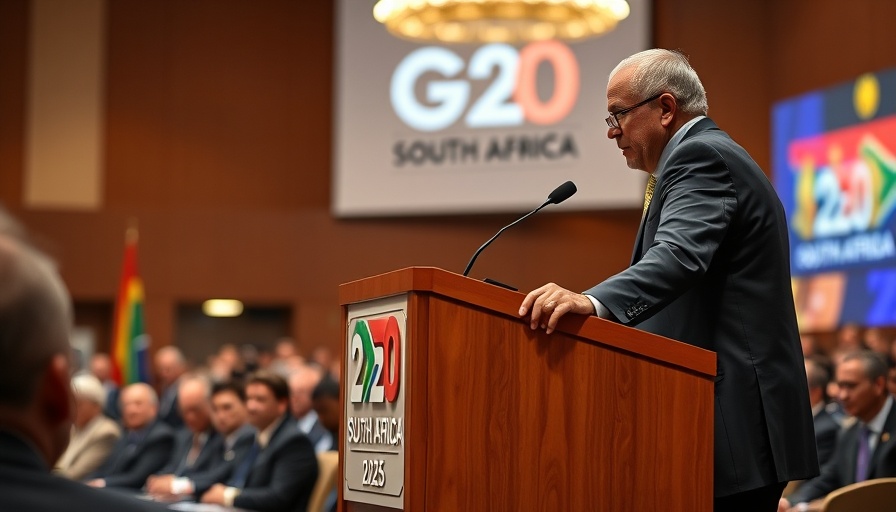
South Africa trade expansion discussed at G20 conference.

South Africa's Trade Ambitions Amidst Diplomatic Challenges

South Africa is strategically refocusing its trade ambitions towards the United States, even amid ongoing diplomatic tensions highlighted by the recent expulsion of its ambassador. This renewed effort comes as President Cyril Ramaphosa expresses his commitment to strengthening bilateral trade relations.

In the video, 'South Africa eyes trade expansion amid diplomatic rift with U.S.,' insights into the trade strategies reveal important dynamics at play between the nations.

Engagement Strategies and Opportunities in Trade

Despite a lack of an ambassador in Washington, South Africa's diplomatic engagement continues at various government levels. The South African Department of Trade, Industry and Competition is spearheading an initiative to review tradable goods and explore new economic collaboration areas. These efforts reflect a keen understanding of the importance of trade relations, particularly in a fluctuating global economy.

A Historical Perspective on South Africa-US Relations

The relationship between South Africa and the U.S. has been historically complex, marked by episodes of cooperation and tension. Over the years, significant partnerships have emerged, particularly in trade and investment sectors. The government’s current drive to enhance trade is informed by this history, aiming to turn past adversities into future opportunities.

Counterarguments: The Challenges Ahead

While South Africa is eager to strengthen ties, various challenges remain. Critics of the government's approach argue that the emphasis on trade without addressing systemic issues such as corruption may undermine the potential benefits. Addressing these counterarguments is essential for developing a robust and credible trade policy.

Future Predictions: A New Era of Trade?

As negotiations progress, several predictions arise regarding the future of South African trade with the U.S. Experts anticipate a cautious yet progressive relationship that focuses on mutual economic benefits and addressing grievances from both sides. This could catalyze a new era where trade and diplomacy confluence effectively.

Practical Steps for Businesses to Leverage Opportunities

For businesses looking to engage in this evolving landscape, understanding the new avenues for trade is critical. Companies should focus on identifying sectors with high export potential and foster partnerships with U.S. firms. Networking at international trade fairs and forums may also provide valuable insights into market demands and trends.

In conclusion, the revitalization of trade opportunities amid diplomatic tensions as outlined in South Africa eyes trade expansion amid diplomatic rift with U.S. highlights the intricate balance between engagement and the challenges posed by historical grievances. It calls for a collective effort from both nations to navigate these complex waters.

For South African businesses and policymakers alike, now is the time to engage actively with these developments and prepare for the evolving economic landscape. Understanding these dynamics can lead to successful trade relations and sustainable economic growth.

Business

20 Views

0 Comments

Write A Comment

*
*
Related Posts All Posts
02.19.2026

Closing the Water and Sanitation Gap: A Key to Africa's Economic Growth

Update African Economies Thirst for Change As Africa continues its race towards economic recovery and growth, a pivotal challenge remains largely invisible to many: the accessibility of water and sanitation. Without proper infrastructure, the continent's potential is effectively locked away, inhibiting both individual and collective economic opportunities. The Economic Impact of Water Scarcity In recent discussions around economic development, the conversation is increasingly shifting towards sustainability and the necessity of clean water and sanitation. The World Bank estimates that inadequate access to these fundamental resources costs African economies billions of dollars annually. Without significant improvements, these losses are expected to rise, limiting growth sectors like agriculture, manufacturing, and even technology. Corrupt Practices and Ineffective Management Many countries suffer from ineffective governance and corruption, which impede progress in establishing vital water infrastructure. When decision-makers fail to prioritize transparency and accountability in resource allocation, citizens are often left to suffer the consequences. Coupled with this is a lack of sufficient investment in technologies that can revolutionize water supply and sanitation systems, including smart devices and IoT solutions that can optimize resource use. Technological Innovations Closing the Gap Emerging technologies such as AI and machine learning offer new ways to address age-old water supply challenges. For instance, predictive analytics can optimize water distribution, while blockchain ensures transparent tracking of resources, reducing waste and corruption. Moreover, countries embracing digital transformation in water management could foster development in tech entrepreneurship and innovation hubs, laying down a foundation for sustainable economic growth. The Role of Global Partnerships Global collaboration is essential for tackling the water crisis in Africa. Partnerships between local governments, NGOs, and global tech companies can lead to innovative solutions that not only provide immediate relief but also foster long-term economic resilience. Leveraging investments in renewable energy and smart city initiatives can facilitate a shift from dependency to self-sufficiency. Policy Frameworks and Digital Inclusion A thriving economy requires inclusive policies that promote digital skills and tech adoption among all communities. By empowering local populations through education and access to digital tools, nations can ensure a more equitable distribution of water resources, ultimately dissolving the economic barriers borne from scarcity. This includes advancing STEM education and investing in digital literacy programs that enable citizens to take part in innovative solutions. Future Predictions: Towards a Water-Secure Africa Looking forward, the vision for Africa must encompass not only immediate fixes but also long-term strategies for water management. Countries that actively invest in technology-driven water solutions are likely to flourish in the coming years as they establish robust economic foundations. As discussions around climate change and sustainability gain momentum, the importance of water access will take center stage, prompting governments and organizations to innovate faster. Actionable Insights for Decision Makers In the role of executives and leaders, fostering a culture of innovation and collaboration can pave the way. Making informed decisions on technological investments—like cloud computing for resource management or advancing cybersecurity in data handling—will be crucial. Embracing these technologies can not only streamline operational effectiveness but position organizations to be catalysts for larger societal benefits. In summary, addressing Africa's water and sanitation access gap is not merely a humanitarian need; it's an economic imperative. By recognizing and acting on this necessity, Africa can unlock its potential and foster a future where prosperity is within reach for every citizen.

02.19.2026

Tariff Amendments 2026: What Professionals Need to Know

Update A Transformative Year Ahead: Tariff Amendments in 2026As we move into 2026, the South African landscape of tariffs is poised for significant changes, primarily through amendments set to be published in the Government Gazette. These changes, particularly impacting the Customs and Excise Act of 1964, promise to reshape economic interactions across sectors. The planned amendments reflect a response to the budget proposals put forth by the Minister of Finance during the budget speech on March 12, 2025.The Unsung Role of Tariffs in Economic PolicyTariffs serve as a critical instrument in economic policy, influencing trade balance, domestic production, and even employment rates. A central aspect of the upcoming amendments is the removal of the previous 80 percent threshold on eligible purchases. This marks a potential shift in favor of greater flexibility for businesses, allowing them to adapt to an ever-changing financial environment.Understanding the Budget Proposals' ImpactsThe budget speech that initiated these changes is not merely a bureaucratic affair; it encapsulates a vision for economic recovery. The amendments to tariffs speak to broader themes in the government's pursuit of stimulating growth post-pandemic. Governments worldwide must wield fiscal tools carefully—tariffs included—to avoid stifling recovery through overregulation while ensuring ethical economic practices.Connections to Global Trends and Trade DynamicsInterestingly, the timing of these proposed amendments coincides with global shifts in trade dynamics amid economic fluctuations propelled by the COVID-19 pandemic. Nations have pivoted their trade policies to protect against vulnerabilities exposed by global supply disruptions. South Africa must align its tariff strategy not only to reflect domestic needs but also to remain competitive in the global marketplace.Potential Critiques and Divergent PerspectivesWhile the government's intention may be to foster growth and flexibility, some critics argue that the removal of the 80 percent eligibility criteria could lead to increased foreign penetration into local markets. This further complicates the balance between attracting investments and protecting local industries. There are concerns that without careful monitoring, integrated businesses may dominate sectors formerly sheltered by stricter tariffs.Economic Recovery Post-COVID-19: What Lies Ahead?As we assess these tariff amendments, we cannot overlook their potential role in South Africa’s post-pandemic recovery strategy. The financial implications extend beyond mere adjustments in purchase eligibility. Effective management of tariffs could ultimately play a role in stabilizing the economy and providing local industries with the necessary support to flourish. With the anticipated global health emergency entering its third year and the focus on vaccinations and recovery, it remains critical for South African stakeholders to remain attuned to how these adjustments will unfold.Take Action: Stay InformedFor professionals involved in trade, finance, and policy-making in South Africa, understanding these amendments is crucial. Engaging with these developments opens new avenues for insights into both macroeconomic trends and localized business strategies. Monitor government publications, participate in discussions within professional circles, and consider how these changes may affect your specific sector.

02.19.2026

Exclusive Books and PEACHZ Tech: A Perfect Partnership for Modern Readers

Update Exclusive Books Embraces Local Innovation with PEACHZ Tech South Africa’s iconic bookstore, Exclusive Books, is making waves once again by incorporating locally-designed tech accessories into its product lineup. With a dedication that transcends mere retail, the partnership exemplifies a cultural touchpoint where literature meets technology, offering a streamline of products reflecting modern, on-the-go lifestyles. A Broadening Horizon for South African Brands From the comforting pages of a classic novel to the sleek functionality of PEACHZ’s mobile tech, Exclusive Books has carved out a niche for itself. Branches scattered across South Africa, Botswana, and Namibia are now hubs for both literature enthusiasts and those keen to amp up their tech game. This collaboration serves not just as a new revenue model for PEACHZ, but also connects the audience to homegrown technology—a move beneficial for consumers looking for more than books when they enter their favorite stores. The Strategic Importance of Location One of the most exciting aspects of this collaboration? PEACHZ’s products will be available at O.R. Tambo International Airport, a strategic move that caters to both travelers and locals. Whether it’s picking up a power bank or a fast-charger before heading on a trip or lounging with a good book at the airport café, this partnership brings practicality closer to the heart of consumer experience. More Than Just Sales: A Lifeline for Local Innovation Mrs. T. Flax of PEACHZ expresses that the expansion into retail is not simply about sales but rather focusing on brand alignment and shared values. As customers become increasingly aware of the quality and design that local brands such as PEACHZ offer, their purchasing decisions reflect support for the local economy and the reinforcement of a communal identity. This move challenges consumers to consider the impact of their choices—opting for local innovation can significantly shape the business landscape. Aligning with Lifestyle Trends and Consumer Need In today’s fast-paced world, customers are seeking convenience blended with technology. The availability of PEACHZ products at Exclusive Books not only aligns with lifestyle requirements but also taps into emerging trends showcasing practical accessories—after all, the smartphone is now as crucial as a good book. In making tech more accessible, both brands bridge the gap between the tailored customer experience and burgeoning mobile technology. Embracing the Future of Retail With the rise of online shopping, physical retail spaces have been wrestling to stay relevant. However, this partnership exemplifies how traditional bookstores can innovate by integrating lifestyle products that cater to modern consumer needs. The blending of culture and commerce in such settings creates enriched experiences, making a visit to Exclusive Books more than just an errand but rather a destination. Celebrating Local Culture through Tech The inclusion of tech products from PEACHZ reaffirms the commitment to celebrating local culture, alongside literature and art. Through cultural exchanges and supporting homegrown brands, this initiative offers a platform for fostering a strong sense of community—a narrative that allows authors, tech creators, and readers to engage and uplift one another. As you envision your next visit to Exclusive Books, imagine not just browsing through your favorite titles but coming away with essential tech products that enhance your reading experience and personal lifestyle. Perhaps you’ll find that perfect gadget designed to make your life just a little easier—perfectly reflecting the essence of the modern South African—innovative, resourceful, and proudly local. For more updates on local innovations and partnerships enriching the retail landscape in South Africa, stay engaged and explore the exciting world of homegrown brands!

Terms of Service

Privacy Policy

Core Modal Title

Sorry, no results found

You Might Find These Articles Interesting

T
Please Check Your Email
We Will Be Following Up Shortly
*
*
*