Add Row
Add Element
PR Africa: Your Gateway to Comprehensive African News and Insights
update
PR Africa
update
Add Element
  • Home
  • Categories
    • Entertainment
    • Automotive
    • Politics
    • Finance
    • Health & Fitness
    • Sports
    • Business
    • Cryptocurrency
    • Education
    • Fashion & Beauty
    • Home & Garden
    • Foreign Language News
    • Lifestyle
    • Real Estate
    • Religion
    • Science
    • Technology
    • Travel
    • News & Current Affairs
    • Crime & Safety
    • Arts & Culture
    • Environment
    • Food & Drink
    • Extra News
April 17.2025
3 Minutes Read

Explore South Africa's Cradle of Humankind Caves - A Unique Tourist Experience Awaits You!

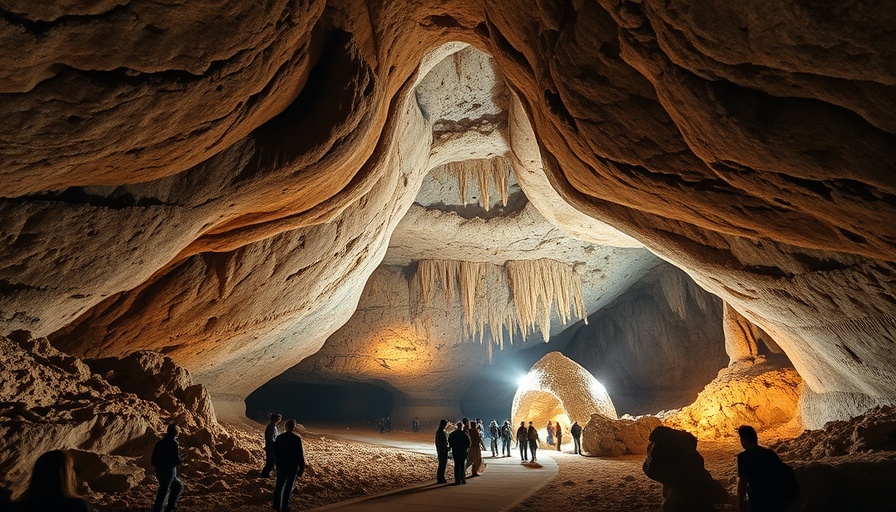
Tourists exploring South African cave, stunning formations.

The Cradle of Humankind: A Marvel Beneath the Surface

After nearly three years of closure due to flooding, the Cradle of Humankind caves, located just northwest of Johannesburg, South Africa, are reopening with a refreshed tourist experience that aims to merge adventure with education. These caves are not just geological formations; they are historically significant, recognized as a UNESCO World Heritage Site. Home to 'Little Foot,' the most intact early human ancestor skeleton ever discovered, the Sterkfontein caves are about to welcome visitors eager to engage with science in a dynamic environment.

Discovering the New Experience

Visitors to the Cradle will don hardhats and venture into an active excavation site, witnessing palaeontologists at work. “It’s not just about looking anymore,” says Nithaya Chetty, dean of the University of the Witwatersrand’s science faculty. Instead, tourists will take part in an interactive journey that showcases real-time discoveries in a vital period of scientific research. This hands-on approach fosters a deeper connection between visitors and the ongoing story of human origins.

Highlights of the Underground Tour

The renewed experience features walking tours that encompass 2.5 kilometers of the intricate limestone caves. These tours are illuminated by soft blue LED lights, enhancing the cave's natural beauty while maintaining a sense of mystery. Temporary fossil exhibitions display artifacts unearthed during excavations, allowing guests to appreciate the richness of the site's history through interactive displays and engaging narratives shared by resident scientists, such as Itumeleng Molefe, a local palaeontologist whose family has a long history with this site.

A Journey Through Time

As travelers navigate the winding paths of the caves, they are not just observing; they are participating in a living narrative of discovery that spans millions of years. This new approach resonates strongly with today’s adventurers who seek experiences that not only thrill but also educate. The integration of interactive elements within the scientific process invites visitors to learn about the discovery of fossils and the techniques employed to unearth these treasures.

The Societal Impact of Discovery Tourism

Engaging in experiential learning like this does more than attract tourists; it also fosters a respect for scientific exploration and cultural heritage. The rejuvenation of the Cradle of Humankind caves promises to draw not just local visitors but international tourists eager to explore South Africa’s rich tapestry of history and culture. With travel trends shifting towards ecotourism and sustainable practices, this project exemplifies how tourism can be managed to benefit both the local community and the global audience.

Planning Your Visit: What You Need to Know

For travelers planning a trip, the updated experience at the Cradle of Humankind presents a perfect opportunity to blend adventure with education. Accessible tours will typically run throughout the day, with options for guided excursions that delve deeper into the site’s history and significance. Nearby, visitors can explore accommodations ranging from budget-friendly options to luxurious stays, providing flexibility for various travel itineraries.

Experience Local Cuisine and Culture

A trip to the Cradle of Humankind wouldn't be complete without diving into local South African cuisine. Visitors can enjoy delicacies at nearby eateries where traditional dishes are served alongside contemporary takes on local favorites. This celebration of culinary culture adds another layer of richness to the overall travel experience, allowing visitors to truly immerse themselves in the essence of South Africa.

Conclusion: An Invitation to Adventure

The reopening of the Cradle of Humankind caves presents an unparalleled opportunity for travelers to engage with the deep history of human origins in an immersive environment. It’s a call to adventure that promises not only thrill but also a profound connection to our shared past. Whether you're a globetrotter searching for your next adventure or a curious minds eager to learn more, a visit to this historically rich site should be at the top of your South African travel itinerary. Don’t miss the chance to witness history in the making—plan your adventure to the Cradle of Humankind now!

Travel

12 Views

0 Comments

Write A Comment

*
*
Related Posts All Posts
12.06.2025

Discover Unique Wildlife Experiences This December in South Africa

Update Experience the Wild Side of South Africa this December December in South Africa marks a bustling time for wildlife enthusiasts and adventure travelers alike. With the arrival of summer, the continent's vivid colors burst into life, and travelers flock to witness the natural phenomenon firsthand. Whether you're soaking up the sun in Cape Town or exploring the expansiveness of Kruger National Park, the month invites a plethora of wildlife sightings. Here’s a look at five remarkable animals you can encounter in the wild this December, and tips on where to find them. Witness the Charm of African Penguins One of South Africa's most beloved animals, the African penguin, comes into its own during December, especially along the coast. Boulders Beach near Simon’s Town is a hotspot, where visitors can watch these lively creatures waddling on the sandy shores or dipping into the vibrant water. Their playful antics, including nesting and interacting in colonies, create delightful opportunities for photography and personal enjoyment. The penguin sightings are not just a testimony of nature's flair but also a conservation success story as these birds recover from drastic population declines. Coastal Mammal Adventures in the Cape The Cape coastline pulses with biodiversity in December, making it an ideal period to spot coastal mammals. Along the waters near Hout Bay and Duiker Island, a plethora of Cape fur seals can be observed basking on rocks or swimming gracefully in the sea. Don’t miss the chance to welcome Heaviside's dolphins as they frolic in the surf, often visible from shore or during marine safaris. This area also presents unrivaled opportunities to savor the coastal scenery while connecting with the marine life that calls it home. Delight in Newborn Antelope Across Nature Reserves December is synonymous with new beginnings. Various antelope species—including impalas and blesboks—give birth to their young around this time. Nature reserves spanning the Eastern Cape to Mpumalanga provide perfect settings to spot these delicate babies taking their first tentative steps beside attentive mothers. This period of renewal, where the grasslands swell with life, encapsulates the vibrancy of the African wilderness. Spotting Wetland and Coastal Birds Summer rains elevate water levels and create a vibrant habitat for various wetland birds, making December a prime time for birdwatching. The wetlands at Langebaan Lagoon and Strandfontein become alive with colorful flocks of flamingos, pelicans, and cormorants, among others. A pair of binoculars will immerse you in a spectacular scene as birds feast or gracefully take flight across the shimmering water. These locations become avian spectacles, attracting nature lovers and photographers seeking to capture phenomenal views. Meet the Rock Hyrax and Other Small Mammals The rock hyrax, or dassie, showcases the often-overlooked charm of South Africa’s smaller mammals. Found in areas like Table Mountain National Park, these delightfully social creatures can be observed sunbathing on rocky outcrops. Their playful nature offers joy to hikers and visitors, providing a contrasting experience to larger fauna. Explorers should also keep an eye out for other small mammals such as grysboks and scrub hares, especially during dawn or dusk when they are most active. Why December is the Pinnacle of Wildlife Viewing As summer descends in South Africa, December reveals one of the richest periods for wildlife experiences. With opportunities to witness everything from adorable baby antelope to engaging marine mammals, the month isn't just about longer days but also about connecting with nature at its most vibrant. From iconic African penguins on the beaches to diverse birdlife across wetlands, December is remarkable not just for its sights but for the chance to understand the interwoven tapestry of life that characterizes South Africa’s natural ecosystems. Not only is this time perfect for wildlife encounters, but it also provides travelers with ample chances to explore South Africa’s rich culture and diverse environments. As you chart your course through this picturesque landscape, you can indulge in the local cuisine and connect with the nation's warm and welcoming spirit. Plan Your Journey Are you ready to embark on an exciting adventure in South Africa this December? Whether you seek the thrill of a safari, the beauty of the coastline, or an intimate connection with nature, take the leap into a destination brimming with unforgettable experiences. Explore local wildlife guides and travel itineraries to optimize your journey and ensure you create lasting memories in this beautifully diverse country!

12.05.2025

Discover Africa’s Hidden Gems: Best Beginner Climbing Spots

Update Explore the Thrill of Beginner Climbing in AfricaAs summer approaches, Africa boasts an incredible array of stunning landscapes perfect for beginner climbers looking to embark on their vertical adventures. The continent offers welcoming crags that feature straightforward routes, reliable rock quality, and supportive guiding communities. From the picturesque sandstone valleys in South Africa to the breathtaking granite domes in Namibia, novice climbers can experience memorable and accessible climbing opportunities throughout Africa.1. Montagu: The Climber’s ClassroomMontagu, famous for its warm weather and welcoming atmosphere, has become South Africa's premier training ground for budding climbers. Set in a sheltered valley, the area is framed by beautiful orange sandstone cliffs that serve as a natural climbing school. The well-graded routes cater perfectly to first-time climbers, with most easier paths just a short hike from the road. It’s no surprise that Montagu houses a vibrant climbing community, complete with schools offering introductory courses, making it an ideal destination for those eager to learn.2. Waterval Boven: A Safe Haven for New ClimbersWaterval Boven, renowned for its spectacular sport climbing, carries an equally appealing allure for beginners venturing onto real rock for the first time. The quartzite cliffs here provide excellent friction, with gentle angles and short climbs that nurture newcomers into the climbing experience. The local guide operators prioritize safety and technique, frequently offering half-day or full-day clinics focused on essential climbing skills in a supportive environment amidst serene grasslands and waterfall views.3. Hout Bay Crags: Coastal Adventures AwaitJust a stone's throw from Cape Town, the crags above Hout Bay represent one of the most accessible summer climbing experiences. The area is known for featuring uncomplicated climbs on clean sandstone, with ample beginner-friendly sections located mere steps from the road. With the invigorating sea breeze providing relief during the heat and the stunning vistas across the bay, Hout Bay is a fantastic launching pad for travelers seeking a taste of adventure without the overwhelming intensity.4. Spitzkoppe and Damaraland: Climbing Amidst Breathtaking SceneryNamibia invites climbers to experience its stunning desert interiors with gentle climbing options at Spitzkoppe and Damaraland. Known for its wide-open landscapes and ancient granite formations, this region provides climbers with spacious rock faces and generous holds. Routes cater to beginners while presenting exhilarating views that enhance the learning experience, allowing newcomers to develop confidence while soaking in the magnificent surroundings.5. Mulanje Footholds: Climbing in Malawi’s Natural WonderlandThe foothills of Mount Mulanje in Malawi are home to picturesque granite slabs that cater to novice climbers looking for a serene environment to learn. The low-angled routes promote fluid movement while the surrounding woods and streams immerse climbers in nature. With a nurturing guiding community providing patient instruction, Mulanje offers an enriching climbing atmosphere not to be missed.The Importance of PreparationAs exciting as beginner-friendly climbing may be, it requires thoughtful preparation. New climbers should prioritize working with accredited guides, use the right gear, and select routes aligning with their comfort levels. The hot summer temperatures in certain regions necessitate proper hydration and sun protection. Many locations also provide a blend of climbing and non-climbing activities, making them attractive to both active climbers and those preferring slower-paced tourism.Broaden Your Adventure ScopeTravelers seeking to delve deeper into these climbing experiences will find numerous opportunities for budget stays, luxury accommodation, and unique explorations of local culture. In regions known for family-friendly activities, travelers can combine climbing with exciting day trips or local cuisine tastings. Whether you're an adventure seeker, a curious traveler, or a family looking to combine fun outdoors with cultural experiences, Africa's beginner climbing destinations offer the perfect blend to satisfy a variety of interests.Start Your Climbing JourneyEnthusiasts who want to embrace the joy of climbing in Africa will find a tapestry of experiences waiting for them. With beautiful terrains, tried and tested routes, and a robust community of guides, the continent is an ideal setting for those new to climbing. So grab your gear, prepare to connect with fellow adventurers, and take the first step into the exciting world of climbing!

12.04.2025

Explore the Art and Adventure Trails of South Africa's Hidden Sculpture Hikes

Update Discovering South Africa’s Sculpture Trails: A Fusion of Art and NatureSouth Africa is known for its wild landscapes and diverse experiences that extend beyond its wildlife. Remarkably, this land also nurtures a growing trend that merges art with the great outdoors, offering travelers an immersive journey where contemporary sculptures and ancient artworks line the trails of its stunning nature reserves. From the breathtaking Cederberg mountains to the coastal beauty of the Eden to Addo Corridor, these sculpture hikes present a unique way for adventurers to engage with the environment.Art Cederberg: A Hidden Gem in South AfricaAmong the most enchanting places to explore is Art Cederberg within the Klein Cederberg Nature Reserve. Spanning an impressive 16,000 hectares, this reserve encompasses majestic sandstone formations, fynbos plains, and inviting hiking tracks. The experience is enriched by contemporary sculptures thoughtfully placed by South African artists. These installations, often nestled within ancient rock formations, encourage hikers to slow down, as they get 'lost' in their discovery. It's not just a hike; it's a treasure hunt in the heart of nature.Land Art Route: Commitment to ConservationThe Eden to Addo Corridor project represents a visionary effort to reconnect South Africa's fragmented ecosystems, integrating 18 parks and nature reserves along the Garden Route. An integral part of this corridor is the Land Art Route, where artists have installed works that resonate with the landscapes they inhabit. Hikers enjoy moments of reflection as they encounter pieces that blend with the surroundings, evoking themes of migration, water conservation, and wildlife connections.Exploring Ancient Narratives through Rock ArtNo exploration of South Africa’s art scene is complete without a nod to its ancient rock art. The Cederberg Wilderness Area and the Matjiesrivier Nature Reserve showcase some of the world's significant San Bushmen rock art, which dates back thousands of years. Here, visitors can walk trails peppered with ochre-stained panels that tell stories of early life, beliefs, and the intricacies of human existence. This art not only contextualizes the past within the present but also affirms the timeless connection between creativity and nature.Urban Art Experiences: Nirox Sculpture ParkIf you're in Johannesburg, the NIROX Sculpture Park offers a different take on outdoor art without venturing far into the wilderness. Set along the Blaauwbankspruit River, this 30-hectare park features over 50 permanent installations and frequently hosts large curated exhibitions. It's a space where art meets the environment, allowing guests to experience the vibrancy of contemporary sculpture amidst indigenous wetlands and diverse wildlife.The Importance of Connecting with Art and NatureThese sculpture trails across South Africa aren't merely about viewing art; they're about slowing down to embrace every detail of nature and reflection. They encourage travelers to reconnect with their surroundings, supporting local artists and environmental conservation efforts. By taking the time to engage deeply with the art, you foster a sense of place that enriches both your travel experience and the communities around you.Planning Your Art and Nature AdventureFor those eager to explore these unique trails, consider the best times to visit. Autumn and winter provide cooler conditions for hiking in the Cederberg, while summer mornings are ideal for coastal routes. Remember to pack essentials like trail shoes, water, and a good camera to capture the beauty. Permits may be required for access to certain sites, especially for rock art, so plan accordingly.Concluding Your Journey with Meaningful TipsEngaging with the art within these natural landscapes provides a richer understanding of both environmental and cultural narratives. As travelers embark on this journey, they should prioritize sustainability—sticking to paths, respecting art installations, and minimizing their footprint. Whether traversing the Cederberg trails or wandering through urban gardens, every step taken in reverence to these artworks helps preserve the integrity of these remarkable places.Now it's your turn to experience the invigorating blend of art and adventure in South Africa. Dive into the rich tapestry of history, culture, and nature that awaits. Plan your next trip and embrace the unique stories told through the sculptures scattered within these beautiful landscapes.

Terms of Service

Privacy Policy

Core Modal Title

Sorry, no results found

You Might Find These Articles Interesting

T
Please Check Your Email
We Will Be Following Up Shortly
*
*
*