Add Row
Add Element
PR Africa: Your Gateway to Comprehensive African News and Insights
update
PR Africa
update
Add Element
  • Home
  • Categories
    • Entertainment
    • Automotive
    • Politics
    • Finance
    • Health & Fitness
    • Sports
    • Business
    • Cryptocurrency
    • Education
    • Fashion & Beauty
    • Home & Garden
    • Foreign Language News
    • Lifestyle
    • Real Estate
    • Religion
    • Science
    • Technology
    • Travel
    • News & Current Affairs
    • Crime & Safety
    • Arts & Culture
    • Environment
    • Food & Drink
    • Extra News
March 28.2025
3 Minutes Read

Why Mbeki's Views on Rasool's Dismissal Matter for South Africa

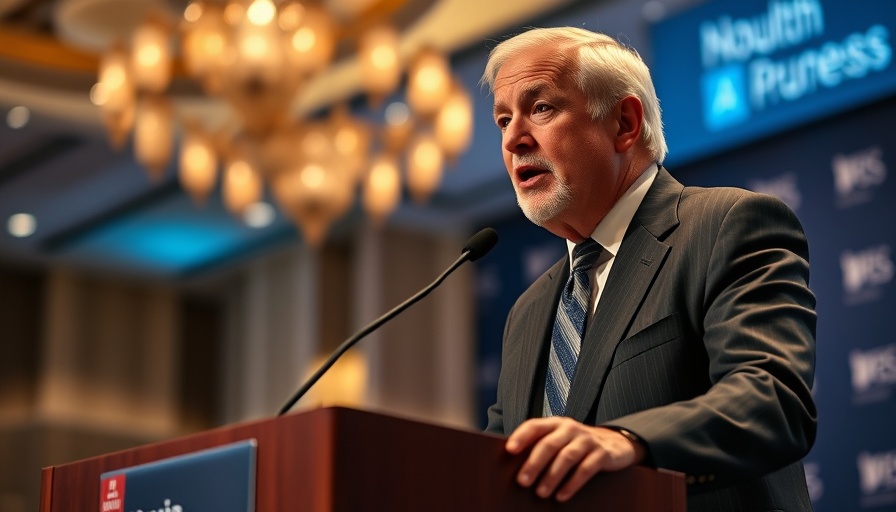
Ebrahim Rasool dismissal implications: Man speaking at a conference.

The Diplomatic Dismissal: What It Means for South Africa

In the intricate dance of international diplomacy, former President Thabo Mbeki's commentary on Ebrahim Rasool's expulsion from the United States resonates deeply. During a recent address to students at UNISA, Mbeki expressed that he was not surprised by Rasool's dismissal, given the ambassador's negative remarks about the host country, particularly President Donald Trump. Mbeki stressed the crucial role of an ambassador as a bridge between nations, highlighting the expectation that they promote positive relations and refrain from critical statements about their hosts.

Mbeki's reflections come at a time of heightened political tensions globally, where diplomatic relations can be precarious and fragile. His assertion underscores that an ambassador's primary duty is to represent their home country's interests while ensuring diplomatic decorum. Contrary to Rasool's public criticisms, Mbeki’s advice persists; ambassadors must navigate their responsibilities with caution.

Understanding the Current Political Climate

Rasool's dismissal pivoted attention toward South Africa's foreign policy framework. Mbeki proposed that despite the backlash from the Trump administration, South Africa should maintain a diplomatic stance that seeks cooperation over conflict. He advocated for a foreign policy open to engagement with diverse nations like the US, China, and others, emphasizing the need to avoid isolationism in favor of constructive dialogue.

This approach aligns with broader themes surrounding the upcoming 2024 general elections, where the potential for political realignment within South Africa’s coalition government—especially among parties such as the African National Congress (ANC), Democratic Alliance (DA), and Economic Freedom Fighters (EFF)—will play a significant role in shaping the nation's foreign relations strategies.

Coalition Politics and International Relations

As South Africa prepares for the 2024 general elections, voter turnout and the dynamics between opposition parties will be pivotal. The coalition government’s position can influence perceptions abroad, particularly as it grapples with policy challenges, including economic reform, land reform, and public sector accountability.

Mbeki’s insistence on a cooperative approach may contrast with the attitudes displayed by figures like Julius Malema and John Steenhuisen, who often criticize the current administration's policies. This bifurcation in leadership styles suggests a significant opportunity for a nuanced foreign policy narrative that incorporates input from all political factions, potentially reshaping the nation’s diplomatic landscape.

The Importance of Building Relationships

Mbeki’s remarks also highlight the necessity of nurturing strong bilateral relations. He posited that claims about South African treatment of minority groups, particularly in the context of U.S.-South African relations, must be addressed with clarity and a commitment to rights for all populations—echoing sentiments related to human rights and freedom of speech.

This diplomatic nuance has implications for South Africa's standing in international organizations such as BRICS and the African Union, where collective efforts toward social grants, gender-based violence prevention, and racial reconciliation remain paramount. These efforts could shape perceptions of South Africa as a leader in these discussions.

Conclusion: The Path Forward

Ultimately, Mbeki’s insights serve as a reminder that amidst political disputes and diplomatic rifts, the push for mutual understanding in international relations remains crucial. As South Africa navigates a complex landscape involving economic policies, state capture inquiries, and broader grassroots movements, leaders must foster dialogue and cooperation to enhance the nation’s diplomatic footprint.

For citizens invested in South Africa's future, understanding these dynamics is not just important but essential as the country continues to address both internal challenges and its role on the global stage. With elections approaching and prevailing political climates shifting, the emphasis on diplomacy and foreign relations might just be one of the decisive factors influencing the upcoming electoral outcomes.

News & Current Affairs

17 Views

0 Comments

Write A Comment

*
*
Related Posts All Posts
12.29.2025

Heavy Snowfall in Morocco's High Atlas: A Climate Challenge for Professionals

Update Snowfall in the High Atlas: A Reflection of Climate Patterns The recent heavy snowfall in Morocco's High Atlas region underscores a pivotal climatic shift that impacts not only local geography but also the socio-economic framework of a nation enduring climatic extremes. Over the weekend, this beautiful mountainous terrain was blanketed in snow, transformed by a cold front that also brought with it rain and strong winds throughout the country. While the picturesque landscapes attract tourism, the implications of erratic weather increase scrutiny on environmental policies and infrastructure resilience.In 'Snow blankets Morocco's High Atlas region as cold front moves in', the discussion dives into pressing climate patterns that impact society and economies, which we’re further analyzing in this article. The Economic Impact of Weather Patterns As witnessed across various regions in Africa, fluctuations in weather patterns have direct ramifications for industry and agriculture. In Morocco, the tourism sector significantly relies on stable weather conditions, with winter sports becoming increasingly popular in the High Atlas. This recent cold snap could spell both opportunity and challenge; while it boosts tourism temporarily, it may also hinder local agriculture reliant on consistent seasonal patterns. Climate Resilience in North Africa: Actions and Policies Governments across North Africa, including Morocco, are navigating the urgency of climate adaptation strategies. Policymakers are compelled to engage more deeply with scientific data that predict changing weather patterns. The recent snowfall acts as a reminder of the pressing need for resilience strategies that can buffer the impacts of climate change on local economies, including improved water management systems and enhancement of agricultural practices to cope with erratic weather. Local Perspectives: Voices from the Atlas The local populace’s perspectives often highlight the dual nature of such weather events. While business owners in the tourism sector may celebrate the influx of visitors, farmers may express concerns regarding their crops’ viability due to unpredictable weather disruptions. Engaging with community voices helps illustrate the profound and often conflicting views towards such climatic phenomena, aligned with broader themes in governance and civic engagement. Interconnected Issues: The Role of Governance The discussions surrounding this heavy snowfall align with larger governance concerns in Morocco, particularly as climate variability prompts scrutiny over public policy responses. Effective governance not only requires immediate responses to natural events but also long-term planning for infrastructural changes. Enhanced political accountability is essential for ensuring that appropriate measures are in place that prioritize environmental sustainability while supporting economic needs. Looking Ahead: Climate Change and Future Predictions As climate research continues to evolve, predictions suggest that events like the recent heavy snowfalls will become increasingly common. This necessitates a proactive approach towards climate issues within government frameworks, effectively preparing regions like the High Atlas for future environmental challenges. In light of these developments, stakeholders must engage in conversations about sustainable practices and community resilience, paving the way for a future where adaptation strategies are prioritized. Conclusion: Why Understanding Our Environment Matters With heavy snowfall impacting the High Atlas region, we see more than just a weather update; we see a complex intersection of ecology, economy, and governance. It's essential for professionals and policymakers alike to comprehend these intricacies, integrating climate awareness into effective decision-making strategies. The recent weather events spotlight the urgent need for addressing climate change in public policy, fostering resilience, and ensuring that communities withstand the pressures of an evolving environment. Subscribe to Africanews for more insights on African current events and to stay informed about issues that shape our future.

12.27.2025

Severe Thunderstorms Are Coming: How to Prepare for Gauteng’s Weather Alerts

Update Severe Thunderstorms Disrupt Calm in Gauteng and Surrounding Provinces The South African Weather Service (SAWS) is sounding alarms for severe thunderstorms poised to impact Gauteng, Limpopo, Mpumalanga, and North West over the coming days. These intense storm systems have the potential to spark flooding, extensive lightning strikes, and even heat extremes, as residents are urged to remain vigilant and prepared. Weather Risks and Alerts: Understanding the Severity According to SAWS, the impending yellow level 2 warnings highlight a moderate risk of weather-related impacts, signaling the necessity for caution across the affected regions. This includes not just the aforementioned thunderstorms but also heavy downpours which could inundate low-lying areas, disrupt road networks, and threaten property. The terminology used by weather authorities is crucial—while yellow indicates a manageable risk, an orange warning carries a more severe caution. Understanding these alerts is essential for public safety, particularly for vulnerable communities often situated in flood-prone areas. Regional Weather Forecast: Expect the Unexpected The current forecast showcases a stark contrast in weather across the country. Gauteng and the north's storms are set against a backdrop of fine conditions in the western provinces. While Gauteng may see temperatures ranging from 15°C to 28°C with intermittent thunderstorms, Limpopo shares a similar fate with temperatures slightly higher, drifting between 18°C and 30°C. Mpumalanga is also braced for cooler weather amidst this chaotic storm front. Implications for Daily Life: What This Means for Residents The potential disruptions from these thunderstorms could heavily impact day-to-day activities. Motorists are urged to drive carefully; local floods can lead to hazardous road conditions, and those in informal settlements should be particularly wary of fast-rising waters. The storms may also hamper outdoor plans, affect business operations, and challenge the ongoing recovery from disruptions caused by recent economic fluctuations and COVID-19 restrictions. Community Preparedness: Your Role in Safety Adapting to severe weather is increasingly a community effort. South Africans are encouraged to take proactive measures: securing items outdoors, staying indoors during severe weather, and keeping abreast of updates from accredited weather services. Public awareness about how these storms could impact essential services—like electricity supply—can catalyze better safety responses. Looking Ahead: Climate Change and Weather Trends As climate changes increasingly dictate weather extremes, South Africa faces a dire need to bolster its infrastructure against floods and storms. These recent alerts highlight the significance of immediate action to enhance community resilience. Stakeholders, including government and local organizations, must prioritize adaptation strategies to mitigate the impact of such extreme weather events on South African society. Long-term investments in flood management and the revitalization of urban planning initiatives hold the key to safeguarding future generations. In summary, as South Africa braces for a turbulent weather period, understanding and responding to these developments is crucial. Stay informed, take precautions, and remember that weather conditions can change rapidly. The community's collective efforts in preparedness can significantly reduce risks. Secure your surroundings and remain vigilant against potential disruptions caused by nature's forces.

12.26.2025

Mario Wanza’s Legacy: Championing Community Activism in South Africa

Update Remembering a Champion for Human Rights: The Life of Mario ‘Gatto’ WanzaThe recent passing of Mario “Gatto” Wanza, at the age of 59, has left a gaping void within the activist community in the Western Cape. Known for founding Proudly Manenberg in 2005, Wanza dedicated his life to uplifting the youth in one of South Africa's most challenging areas, grappling with gang violence and systemic neglect. His commitment to fostering a non-racial and non-sexist society exemplified his belief in empowerment and education as tools for liberation.Wanza’s Legacy in Community DevelopmentWanza's initiatives were not mere solutions; they were challenges to the status quo. As Sifiso Mtsweni, ANC Provincial Party Spokesperson, noted, Wanza was more than an activist; he was a beacon of hope, pushing back against the injustices that marginalized the residents of Manenberg. By advocating for access to essential services and standing firm against oppressive systems, Wanza represented a tireless force for transformation in a suburb that too often faces neglect.This reflects broader patterns seen in community activism across South Africa, where individuals often become the last line of defense for vulnerable populations. Like Wanza, activists such as Roegshanda Pascoe have also dedicated themselves to community empowerment, fighting for basic rights in conditions reminiscent of apartheid-legacy disparities. Their narratives highlight the ongoing struggles in marginalized neighborhoods and remind us that activism requires immense courage and resilience.The Role of Community Activism in Addressing Social IssuesWanza's work serves as a stark reminder of the necessity for grassroots movements in tackling systemic issues like youth unemployment, service delivery failures, and crime prevention. Just as the African National Congress (ANC) navigates the complexities of a coalition government, local activists navigate the multifaceted realities of people's lives, advocating for policy changes such as comprehensive educational reform and adequate healthcare provisions, which are vital for improving living conditions.Similarities with Modern ActivismIn this regard, it is essential to recognize that Wanza is part of a broader narrative of resistance faced by community activists. His work mirrors the challenges and aspirations of activists today, who contend with ongoing crises stemming from years of neglect in areas where disenfranchisement continues to thrive. The need for a government of national unity and coalitional approaches in policymaking that prioritize marginal voices becomes increasingly clear.A Call to Action: Honoring His LegacyAs we reflect on the contributions of Mario Wanza, we are called to both honor his legacy and engage in community service and support local organizations like Proudly Manenberg. Such efforts will not only maintain his vision alive but will also drive the necessary changes in policy and perception. The historical context of activism within South African communities, marked by social injustice and a quest for dignity, calls for renewed engagement from civil society and government alike to uplift those who continue to battle for their rightful place in society.The Future of Community Activism in South AfricaLooking ahead, as the 2024 general elections approach, the importance of engaging with community-led initiatives cannot be overstated. Activists and citizens alike are urged to participate actively in political processes, ensuring that their voices are heard. Furthermore, comprehensive electoral reform is crucial for sustaining this momentum. With pressing issues such as economic inequality and youth participation on the table, the dedication of community activists is indispensable to shaping an equitable future.The legacy of Mario Wanza is not just a testament to what has been achieved but also a reminder of the ongoing struggle for justice and equality in South Africa. It emphasizes the dire need to engage tangibly with communities and policies that affect them—an endeavor that must persist with vigor and purpose in the years to come.

Terms of Service

Privacy Policy

Core Modal Title

Sorry, no results found

You Might Find These Articles Interesting

T
Please Check Your Email
We Will Be Following Up Shortly
*
*
*