Add Row
Add Element
PR Africa: Your Gateway to Comprehensive African News and Insights
update
PR Africa
update
Add Element
  • Home
  • Categories
    • Entertainment
    • Automotive
    • Politics
    • Finance
    • Health & Fitness
    • Sports
    • Business
    • Cryptocurrency
    • Education
    • Fashion & Beauty
    • Home & Garden
    • Foreign Language News
    • Lifestyle
    • Real Estate
    • Religion
    • Science
    • Technology
    • Travel
    • News & Current Affairs
    • Crime & Safety
    • Arts & Culture
    • Environment
    • Food & Drink
    • Extra News
April 09.2025
2 Minutes Read

What Does the Growing Interest in Senegal's Defense Market Mean?

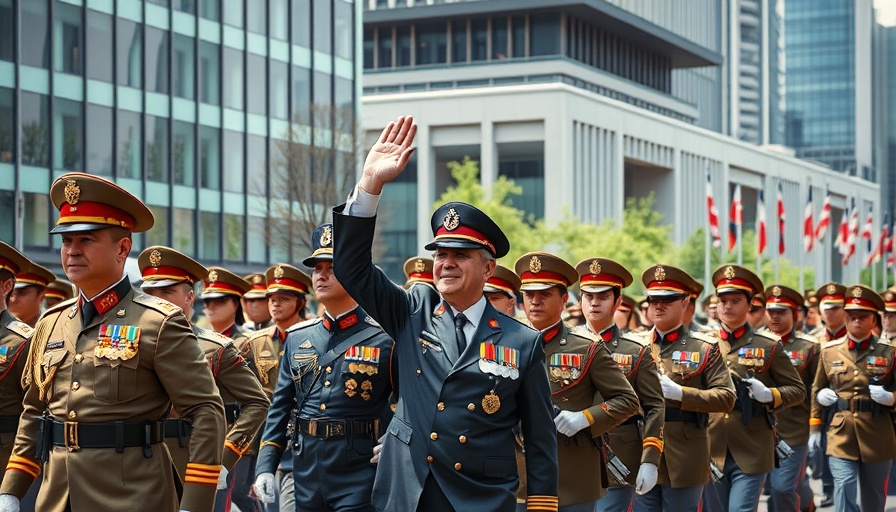
Senegal Defense Market parade with officers and a civilian waving

Understanding the Global Interest in Senegal's Defense Sector

Senegal is increasingly becoming a focal point for international arms firms, creating a buzz in the defense sector. With its newly planned military programming law and significant contracts for military procurement, the nation is capturing the attention of global players, particularly from Russia, China, and Israel. These countries are eyeing Senegal as a strategic partner due to its growing importance in the West African security landscape.

Historical Context: Why Senegal is a Defense Hub?

Historically, Senegal has been a beacon of stability in West Africa, and its defense sector is beginning to reflect that legacy. As the country navigates a delicate balance of internal security and external partnerships, its military upgrades and modernization efforts become pivotal. The fundamental shift towards industrialization and self-reliance is essential, especially as Senegal faces various regional security threats.

The Significance of Arms Contracts

Recent contracts valued at over €300 million, notably with Turkish firms, signal Senegal's commitment to enhancing its military capabilities. This investment is not merely for defense; it reflects a broader economic agenda tied to development goals. The goal is to replace foreign dependence with local production capabilities while fostering job creation and technological advancement, aligning with the nation's push towards economic growth and industrialization.

Counterarguments: Concerns of Militarization

Despite the potential benefits, the increasing militarization raises critical concerns. Critics argue that heavy investments in defense may divert essential resources from urgent needs like healthcare, education, and infrastructure. With the backdrop of challenges such as corruption and potential human rights abuses, the debate intensifies on whether arms agreements bolster peace or deepen conflicts in the region.

Future Insights: What Lies Ahead for Senegal’s Defense?

The evolving landscape suggests that Senegal has the opportunity to shape its own narrative in global defense discussions. Enhanced military capabilities could facilitate more robust regional security cooperation, particularly through organizations like ECOWAS. Additionally, a commitment to democratic governance amidst these changes could inspire trust and further foreign investment, promoting stability.

Engaging with Regional Partners: The Path Forward

For Senegal, navigating its relationships with foreign powers presents both opportunities for investment and challenges related to sovereignty and governance. As the regional dynamics shift, Senegal can position itself as a leader in promoting peace and security in West Africa by facilitating dialogues centered around cooperation and collective security strategies.

Conclusion: A Balancing Act for Senegal

As Senegal continues to attract attention from global arms contractors and defense leaders, the challenge will be to ensure that this increased focus translates into genuine national development. It is crucial for policymakers to manage the balance between strengthening military capacity and ensuring the long-term well-being of its citizens through meaningful investments in education, healthcare, and economic development. The success of this balancing act will determine if Senegal can truly thrive in a complex geopolitical landscape.

News & Current Affairs

22 Views

0 Comments

Write A Comment

*
*
Related Posts All Posts
12.15.2025

Katanga's Strategic Importance Amid M23 Rebel Threat: Insights and Implications

Update Strategic Importance of Katanga in DRC's Political Landscape The potential advance of the M23 rebels in eastern Democratic Republic of Congo (DRC) has sparked considerable concern among analysts and political observers. Following the fall of Uivera, a strategic town along the northwestern borders, the focus has shifted to the southern region of Katanga, an area deemed crucial for both the government in Kinshasa and any prospective rebel control.In DRC financial stronghold Katanga could be next to fall to M23 rebels, analyst says, the discussion dives into the looming threats posed by the M23 rebels, exploring key insights that sparked deeper analysis on our end. Romancing the Rebel: M23's Options from Uivera After seizing Uivera, M23 rebels find themselves at a crossroad with three primary pathways ahead. They can either retreat to the north—heading towards Mana, Kindu, or Kisangani—or pursue the more strategically advantageous route south towards Katanga. Analysts largely believe that a move towards Katanga is the most feasible. Situated on the shores of Lake Tanganyika, the rebel group finds themselves well-positioned to secure resource access and support from the surrounding territories. This strategic positioning allows potential recourse to Katanga's mountainous terrain via the Matame Plateau, rendering it an accessible target. Katanga: The Financial Backbone of DRC Katanga's significance is amplified by its status as Kinshasa's financial stronghold. Commanding rich mineral resources and acting as the backbone of the Congolese economy, falling into rebel hands could have dire consequences for national stability. The loss of economic power in Katanga would not only disrupt the state's financial capabilities but potentially embolden other factions eyeing discontent with Kinshasa's authority. Community Tensions and Political Support for Rebels The region’s community dynamics further complicate the situation. Several Katangan leaders hold grievances against the central government, providing a ripe political atmosphere for M23 to exploit. This discontent, rooted in perceptions of neglect and mismanagement by Kinshasa, offers M23 a potential allyship within the local populace—something they might not find as readily along other routes. The Broader Implications for African Politics The unfolding crisis in the DRC holds consequential insights for African politics at large. The spiraling conflict in Katanga can fuel discussions around territorial integrity, the governance of resources, and the challenges that arise when rebellions threaten established authorities. As the DRC grapples with its historic complexities and socio-political landscape, this new wave of conflict could catalyze discussion on governance and accountability throughout the region. Future Predictions: What Lies Ahead? As analysts contemplate the future of Katanga in light of rising M23 influence, predictions become complex. The possibility of increased rebel activities is met with potential interventions from international actors who may wish to preserve stability in the region. Expect a mix of resistance from Kinshasa and fluctuating support from major powers as the situation evolves. The precarious balance of economic, political, and military intrigue hinges on how the international community perceives the DRC’s destiny. The Danger of Regional Destabilization Should M23 successfully advance into Katanga, the repercussions could extend beyond Congolese borders. Neighboring nations such as Zambia and Tanzania might find their own security and economic interests threatened. The spillover effects of such instability could foster an environment conducive to further conflicts, amplifying the need for regional diplomacy and strategic interventions. Conclusion The current unrest in the DRC, particularly concerning the Katanga province, underscores the interconnected dynamics of African conflict and governance. As professionals, it is crucial to remain vigilant and engaged with these unfolding stories in order to foster informed discussions about political accountability, community concerns, and international involvement in African affairs.

12.14.2025

Discover the Latest Lotto and Lotto Plus Results: Your Chance at Wealth!

Update Latest Lotto Draw: Are You the Next Multimillionaire? The excitement surrounding the Lotto and Lotto Plus draws continues to capture the imagination of South Africans. On December 13, 2025, players eagerly awaited the unveiling of the numbers with the hope of striking it rich. The drawn numbers were as follows: LOTTO: 09, 18, 30, 53, 54, 58 | Bonus: 08 LOTTOPLUS1: 01, 12, 13, 21, 48, 53 | Bonus: 31 LOTTOPLUS2: 25, 27, 31, 51, 53, 58 | Bonus: 04 With an estimated jackpot of R50 million on the Lotto, coupled with R4.5 million and R5.5 million for Lotto Plus 1 and Plus 2 respectively, there was no shortage of motivation for players to participate. Understanding the Lotto Landscape The allure of the Lotto is not just about winning money; it's also about the broader economic implications that accompany such draws. Many view these jackpots as potential lifelines amidst South Africa's myriad issues including severe economic instability, unemployment, and ongoing public sector strikes. Lotto draws like this offer hope, however fleeting, for substantial financial relief. It's essential to recognize that the phenomenon extends beyond simple hope of wealth; these lotteries generate significant revenue for the National Lottery and support various community initiatives, playing a vital role in South African society. The Economic Impact of Lotteries on South Africa As the South African economy evolves, so too does the landscape of lottery plays. A significant portion of the Lotto's earnings is allocated to social initiatives, offering funds for everything from education reforms to infrastructure development. However, the ethical considerations surrounding gambling and its societal impacts remain a contentious topic. Critics highlight that lotteries can become a regressive tax on the poor, suggesting that the government should focus on structural economic reforms rather than relying on gambling profits for revenue. The reality, however, is that many individuals see lotteries as one of the few available opportunities for economic mobility - a perilous gamble that many feel compelled to take. A Culture of Hope Amidst Uncertainty In light of challenges such as load shedding, corruption investigations, and economic recovery prospects, the Lotto serves as both a symbol of hope and a reflection of the economic disparities within South Africa. Whether viewed positively or skeptically, these draws significantly affect the people’s psyche, offering a temporary escape from harsh realities. What Now? Decisions You Can Make with This Information If you're feeling inspired or compelled by the prospect of a life-changing lotto win, it’s crucial to play responsibly. Given the nature of lotteries, mere participation cannot guarantee success, and participants should never wager more than they can afford to lose. For those interested in the broader implications of gambling within South African politics and economy, it's worth engaging in discussions on how revenue from lotteries could be more effectively utilized to combat issues like poverty and increased inequality. Keeping abreast of ongoing legislation surrounding gambling licenses and tax reforms can provide insights into how future draws might be influenced by government policies, a necessity for any informed citizen concerned about national welfare and economic stability. Final Thoughts In these uncertain times, the Lotto represents more than just a chance to win; it embodies hope for many within communities struggling with economic hardships. As players check their tickets against the drawn numbers, the ripple effects of these draws will continue to resonate throughout the country. Stay informed not just about your lottery numbers, but about the government policies and societal impacts that accompany them. Every draw offers an opportunity not only for potential wealth but also for engaging in critical conversations about South Africa's financial future.

12.13.2025

Haitians Strive to Rebuild Lives Amid Hurricane Melissa's Devastation

Update Rebuilding in the Wake of Hurricane Melissa The recent devastation brought by Hurricane Melissa has left an indelible mark on the lives of countless Haitians, particularly in the small town of Pitig Goyav. After the hurricane's deadly passage in October, community gatherings around local stores illustrate both the resilience and the urgent need for support among the residents. Individuals who once relied on their homes, businesses, and livestock are now grappling with loss and uncertainty. One survivor poignantly shared; "My house is destroyed. The water came in. I lost my animals and family. I lost five people in Hurricane Melissa." These sentiments lay bare the human cost of climate disasters compounded by a long-standing socio-political crisis in Haiti.In 'Haitians try to rebuild lives in aftermath of Hurricane Melissa', the discussion addresses the multifaceted challenges faced by the nation, leading us to analyze these key insights and their implications. The Humanitarian Crisis Deepens According to the World Food Program (WFP), the fallout from Hurricane Melissa has exacerbated an already dire humanitarian situation in Haiti. Over one million residents now find themselves in need of urgent food and other support. The country has been besieged by gang violence and political instability, forcing nearly 1.5 million people from their homes and significantly heightening the urgency of relief efforts. This complex crisis demands considerable attention from local authorities and international organizations alike. Innovative Approaches to Aid The WFP has innovatively responded to the needs of affected individuals through the distribution of cash assistance in the form of vouchers. These vouchers not only provide immediate sustenance but also empower families to purchase locally sourced food. This strategic approach benefits both the displaced individuals and local businesses, fostering economic recovery in the face of adversity. With such assistance, residents can help rejuvenate their community, thereby rebuilding their lives and supporting local economies. Gang Violence and Its Ramifications Amidst the recurring humanitarian crises, gang violence remains a significant barrier to stability and recovery efforts. Armed groups have gained control over substantial parts of Haiti, including the capital. This form of violence not only threatens physical safety but also exacerbates the food insecurity plaguing the nation. The violent conflict often leads to food scarcity and a paralyzed economy, hindering legitimate efforts to restore order and stability. The Quest for Government Accountability This situation has spurred discussions about government accountability and the efficacy of public policy in Haiti. Thandi Modise, a journalist focused on systemic issues within governance, has emphasized the importance of addressing the root causes of these crises. A transparent government that is responsive to its people's needs could potentially alleviate the suffering imposed by both natural disasters and criminal violence. Local vs. Global Responses to the Crisis The ongoing situation in Haiti is reflective of a broader trend seen across many nations facing similar challenges. While local organizations are stepping up to provide relief, the critical role of international support cannot be understated. Contributions from global entities, alongside local policies designed to foster resilience and address corruption, may prove pivotal in paving the way for true recovery. Future Predictions and Trends The need for comprehensive strategies that address the intertwined issues of climate change, governance, and economic stability in Haiti cannot be overstated. Experts predict that without sustainable solutions, the cycle of disaster, violence, and poverty will continue unabated, causing distress not just in Haiti but in surrounding regions. A focus on sustainable development, bolstered by local innovations and international partnerships, is crucial to avert future tragedies. As the situation in Haiti continues to evolve, the importance of keeping informed about regional developments remains crucial for anyone interested in global humanitarian efforts. The stories of resilience and recovery offer crucial insights into navigating crises and may inspire innovative solutions to similar problems elsewhere. The resilience in communities like those in Pitig Goyav showcases a powerful human spirit amidst adversity. While the journey to recovery is fraught with challenges, it is also a testament to the strength and determination of the affected population.

Terms of Service

Privacy Policy

Core Modal Title

Sorry, no results found

You Might Find These Articles Interesting

T
Please Check Your Email
We Will Be Following Up Shortly
*
*
*