Add Row
Add Element
PR Africa: Your Gateway to Comprehensive African News and Insights
update
PR Africa
update
Add Element
  • Home
  • Categories
    • Entertainment
    • Automotive
    • Politics
    • Finance
    • Health & Fitness
    • Sports
    • Business
    • Cryptocurrency
    • Education
    • Fashion & Beauty
    • Home & Garden
    • Foreign Language News
    • Lifestyle
    • Real Estate
    • Religion
    • Science
    • Technology
    • Travel
    • News & Current Affairs
    • Crime & Safety
    • Arts & Culture
    • Environment
    • Food & Drink
    • Extra News
March 28.2025
3 Minutes Read

UN Secretary General Sounds Alarm on South Sudan's Crisis: What You Need to Know

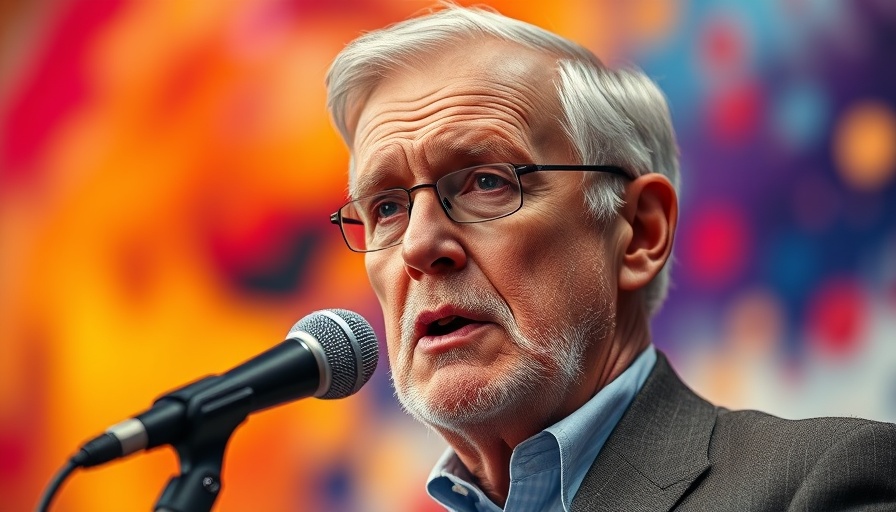
South Sudan crisis: elderly man giving a serious speech with vibrant abstract background.

Understanding the Dire Situation in South Sudan

In a stark warning, UN Secretary-General António Guterres recently highlighted the escalating crisis in South Sudan, a nation grappling with rising violence and political instability. The complexities of this ‘dramatic and dire situation’ emerged prominently when Guterres addressed the press, underscoring the very real impact of political strife on the civilian population. With the detention of First Vice President Riek Machar under house arrest, tensions between the country's leaders have reached a boiling point, raising alarm bells domestically and internationally.

In 'UN Secretary General warns of 'dire situation' in South Sudan', Guterres brings to light a troubling scenario that calls for deeper analysis and understanding.

Civilian Impact: The Human Cost of Political Clashes

The ongoing turmoil has placed civilians at the epicenter of a conflict fueled by political rivalries. The violent clashes are not merely statistics; they represent the disruption and chaos that thousands of families endure every day in South Sudan. The urgent call from Guterres for a return to the 'politics of peace' cannot be overstated, as it is essential for restoring safety and stability in a country that has struggled since its independence from Sudan in 2011.

The Peace Agreement: A Pathway to Stability?

The peace agreement, considered the primary framework for achieving peaceful and fair elections slated for December 2026, offers a glimmer of hope amidst despair. However, its success hinges on the commitment of both current President Salva Kiir and first vice president Machar to put fears and grievances aside. Their leadership has historically shaped the nation’s trajectory, but their ongoing conflict could ultimately jeopardize the fragile peace that has been established.

Historical Context: Understanding Leadership Dynamics

To fully grasp the current situation, one must consider the historical context of South Sudan’s leadership. Kiir and Machar have played pivotal roles in the fight for independence, but their political rivalry has fostered divisions that have led to repeated cycles of conflict. Understanding this dynamic is crucial for anyone looking to decode the political landscape of South Sudan and its implications for future governance.

Global and Local Responses to the Crisis

International organizations and regional governments are closely monitoring the crisis. The African Union, alongside the United Nations, has a critical role in promoting peace and stability in the region. However, the effectiveness of these organizations in the face of entrenched local politics raises questions about the potential for external intervention to yield meaningful change.

Future Insights: Navigating the Road Ahead

As tensions rise, the future remains unpredictable. Observers speculate on various outcomes, from continued conflict to potential reconciliation efforts. What is certain is that the leadership of South Sudan must hear a unified message: prioritizing peace and prioritizing the well-being of their people is paramount. Without these commitments, the horizon may only darken for a country already burdened by strife.

Common Misconceptions: Addressing the Myths about South Sudan

There exist numerous misconceptions about South Sudan that skew perceptions of its political climate. One prevalent myth is that the conflict is solely an ethnic struggle. While ethnicity plays a role, the political motivations and historical grievances deepen the complexity of the situation. An informed understanding is crucial for engaging with the ongoing discourse surrounding South Sudan.

Take Action: Engaging with the South Sudan Crisis

As regional and global citizens, it is our responsibility to stay informed and advocate for peace in South Sudan. Organizations dedicated to humanitarian efforts in the region depend on awareness and resources to continue their work. Engaging in informed discussions, participating in events focused on African politics, and supporting international initiatives aimed at peacebuilding are vital steps toward fostering a stable future in South Sudan.

News & Current Affairs

26 Views

0 Comments

Write A Comment

*
*
Related Posts All Posts
12.07.2025

Thousands Flee Violence in DRC: Exploring the Humanitarian Crisis

Update The Ongoing Humanitarian Crisis in Eastern DRCThe Eastern Democratic Republic of the Congo (DRC) is once again enveloped in chaos. Thousands of individuals—men, women, and children—are abandoning their homes, forced to evacuate due to the intensifying military conflict between the Congolese army and the M23 rebels. As this heartbreaking exodus unfolds, the harrowing stories of these civilians echo the broader tragedy of persistent violence and instability.In the video 'Thousands flee South as fighting intensifies days after DRC and Rwanda recommit to peace deal', the unfolding conflict in the Eastern DRC showcases a tragic humanitarian crisis, leading us to an in-depth analysis of the situation. In regions such as South Kivu, families are seen carrying what little belongings they can salvage, compelled by fierce clashes and bombings that have plagued their neighborhoods. Reports from local sources reveal that the situation has grown deadly, particularly in areas like Lungi, Katagota, and Kamanola, where communities have suffered significant casualties.A mother fleeing with her children recounted, "We decided to flee today after hearing of many deaths in our community." These sentiments encapsulate the anguish of those who only wish for peace and normalcy.A Fragile Peace Agreement UnraveledThis surge in violence is particularly poignant given that it follows a recent peace agreement signed by the DRC and Rwanda just days prior. On the surface, this treaty seemed to promise an end to hostilities; however, the quick deterioration of conditions has laid bare the fragility of such agreements.Leaders from both nations had expressed optimism, aiming to restore diplomatic ties and enforce a ceasefire. Sadly, recent escalations highlight that their aspirations have been shattered. Both the Congolese forces and M23 rebels are exchanging allegations of ceasefire violations, underscoring a cycle of distrust and retaliation that has thwarted any potential for stability.The Human Toll of the ConflictThe human cost of this conflict continues to mount. With local civilians caught in the crossfire, airstrikes and ground assaults have already claimed numerous innocent lives. Recent reports indicate that as many as 20 civilians were killed in a single day of fighting, reiterating the urgent need for a more robust international response to the humanitarian disaster.Moreover, the plight of internally displaced persons (IDPs) remains dire. As refugees seek sanctuary, they face challenges related to food shortages, lack of medical care, and inadequate shelter. The humanitarian corridors designed to provide aid are hampered by ongoing violence, trapping many in an unending cycle of suffering.A Call for Accountability Amidst ChaosReporting on the intricacies of this conflict exposes troubling systemic issues deeply embedded in governance and accountability in the region. As nations like Rwanda and the DRC grapple with their own internal complexities, the international community must step in to ensure genuine support and assistance to those affected. This assistance cannot solely be about providing immediate relief but must focus on fostering conditions for lasting peace.As stakes are high, African leaders must not shy away from their critical duty to advocate for African solutions to African problems—a pursuit that honors both human rights and the dignity of the people enduring this turmoil.Future Predictions: A Glimmer of Hope or Despair?As we look forward, the trajectory for Eastern DRC remains uncertain. With the potential for further escalations, the collective hope amongst families fleeing violence underscores the need for renewed diplomatic efforts. Will the latest peace talks yield any real results, or are we destined to witness another cycle of destruction?In this context, public policy interventions geared towards sustainable development, community rebuilding, and reconciliation will be essential in staving off future conflicts. The lack of infrastructure, governance, and rule of law has historically exacerbated tensions in the region. Addressing such foundational issues could pave the way for constituents to heal and ultimately thrive.Conclusion: A Call to ActionThe ongoing crisis in the DRC demands urgent attention and concerted action from the African Union, regional partners, and the international community. As yester years' hopes of peace have crumbled away, it remains crucial that our discourse translates into tangible support for those affected. Mobilizing resources to assist IDPs and enabling pathways for sustainable peace are not just moral imperatives but also fundamental to shaping a future free of violence.To stay informed and engaged in current affairs such as the DRC’s ongoing struggle for peace, consider following channels that specialize in African news, such as Africanews and the African News Channel, which consistently provide updates on critical developments across the continent. Knowledge empowers action, and staying aware is the first step towards effecting change.

12.06.2025

Transforming Paternity Laws: The Good Dad Act's Impact on Kentucky and Florida

Update Revolutionizing Paternity: The Good Dad Act's Impact The Good Dad Act Committee is making waves in the fight for paternal rights, especially with the recent attention towards the nuances of paternity laws in Kentucky and Florida. Spearheaded by Dr. Bernard Wh. Jennings, the committee advocates for legal changes that significantly enhance the rights of unwed fathers—rightfully shining a light on an often-overlooked aspect of child welfare. The Powerful Legacy of Florida’s Good Dad Act Just last year, Florida's House Bill 775, known as the Good Dad Act, transformed the landscape for fathers in the state. Notably, the law now guarantees that once paternity is established, an unmarried father automatically becomes an equal natural guardian of the child. This fundamental shift dismantles the previous default status that conferred primary custody to mothers, underscoring the critical role fathers play in their children's lives. Under this new legislation, established paternity leads to shared parental responsibilities and equal decision-making power—echoing the sentiment that children benefit when both parents are involved from the get-go. This model serves as a benchmark for other states, demonstrating the positive outcomes of fostering equal parenting rights. Kentucky’s Current Framework: Navigating Challenges In stark contrast, Kentucky's paternity laws present a more cumbersome process for fathers. Although the state permits fathers to establish paternity through various means, the transition to gaining parental rights requires navigating a complex, multi-step legal framework. Here, the mother remains the default legal custodian until fathers pursue additional court orders to attain those rights, creating a two-part legal hurdle that can deter fathers from involvement. While Kentucky’s Revised Statutes Chapter 406 ensures that fathers are liable for child support and related expenses post-paternity establishment, it fails to guarantee the same automatic guardianship afforded by Florida’s legislation. This disparity highlights a pressing need for reform in Kentucky—an area the Good Dad Act Committee is ardently pursuing. A Roadmap for Reform: The Good Dad Act Committee’s Proposal In early 2024, the Good Dad Act Committee made a bold move by formally submitting a legislative model to the Kentucky General Assembly, inspired by the successes observed in Florida. This proposal advocates for not only recognizing unmarried fathers as equal guardians upon the establishment of paternity but also for introducing a unified process that addresses paternity, timesharing, and parenting plans concurrently. Importantly, this initiative emphasizes cooperation in family dynamics, aiming to reduce conflict and facilitate a healthier co-parenting environment. Dr. Jennings asserts that strengthening the role of fathers is not about undermining mothers but about forging stronger family units—reflecting a commitment to the welfare of children. The Nationwide Call to Action: Mobilizing Fathers The Good Dad Act Committee calls upon unwed fathers and supporters from across the nation to join their movement. Advocates are encouraged to connect, share stories, and unite under a common objective—the establishment of equitable fatherhood laws that prioritize the best interests of children. By purchasing Dr. Jennings' acclaimed book, “Ethan’s Good Dad Act,” and spreading awareness of these issues, individuals can contribute to a larger dialogue about fatherhood rights. The committee envisions a nationwide transformation, with Kentucky poised to be a pivotal player in this significant shift towards fairness in parenting legislation. Looking Ahead: The Future of Paternity Law Reform As the Good Dad Act Committee sets its sights on Kentucky and beyond, the organization is not just advocating for change; it provides a practical framework for reform, ensuring that fathers everywhere can claim their rightful place in their children's lives. Through this movement, there is hope for dismantling outdated notions of fatherhood and fostering an environment where paternal involvement is celebrated and institutionalized. In conclusion, as Kentucky weighs legislative changes, the opportunity to adopt a more progressive and inclusive approach towards fatherhood is ripe for action. Advocates, lawmakers, and families must engage collectively to champion this cause, making strides towards a future where every father has equal footing in the family court system. Join this movement and become part of the change. Visit Good Dad Act Committee today and empower fathers to be present from the start.

12.06.2025

The Inspiring Journey of Somali Migrants: From Torture to Hope

Update Surviving a World of Cruelty: The Journey of Somali MigrantsMuhammad Abdi Awal's harrowing tale is a grim reminder of the unchecked abuses that accompany migration across Africa. For many, including Muhammad, the hope of reaching the United States often wars with a nightmarish reality. Having survived torture and extortion at the hands of smugglers in Libya, he exemplifies the struggles faced by many Somali migrants. The stark contrast between their aspirations and the brutal pathways often leads them through perilous terrains, resulting in profound psychological trauma and physical suffering.In 'Somali migrant recounts torture in Libya but says hope for a better life still drives him,' the discussion dives into the painful realities of migration, exploring key insights that sparked deeper analysis on our end. The Value of Hope Amidst AdversityDespite facing unimaginable horrors, Muhammad expresses a determination rooted in hope, reflecting a resilience common among many migrants. The optimism of a better life in the U.S., shadowed by the political climate under former President Trump, highlights the impact of geopolitical factors on migration. His assertion that “after Trump’s term expires,” his dreams may be realized serves as a poignant reminder of how leadership can profoundly affect global migration patterns.Understanding the Trafficking NetworksMuhammad's experience also sheds light on the complex trafficking networks operating within Libya. These networks, notorious for their brutality, have turned regions like Kufra into key transit points for human trafficking. This issue reflects a broader crisis plaguing Africa, involving dire consequences for migrants who fall prey to these predatory systems. Comprehensive international efforts are vital in dismantling these networks that profit off the suffering of vulnerable populations.From Kenya to the Mediterranean: A Tale of DespairThe journey Muhammad undertook, traversing various countries, is emblematic of the experiences of countless migrants. Entering Kenya, passing through Uganda, South Sudan, and finally reaching Libya, embodies the arduous nature of migration where each country presents its own challenges. Issues encompassing poverty, lack of economic opportunities, and systemic corruption mar these regions, compelling many to seek refuge abroad and face insurmountable odds.Political Context: The Role of LeadershipPolitical climates greatly dictate the safety and opportunities available to potential migrants. Historically, leaders like Trump have severely restricted immigration, thus creating a hostile environment for those seeking a better life. This has profound implications, as many individuals like Muhammad cling to the belief that a change in administration might restore their pathways to hope fueled by stability and security. Understanding this dynamic allows for a more nuanced perspective on the migrant crisis.Rebuilding Lives: The Road AheadThe plight of returning migrants like Muhammad is an opportunity for national and local governments to reconsider their policies regarding repatriation and integration. After enduring traumas, the focus should not only be on bringing them home safely but also on providing sustainable livelihoods and support systems to prevent future migrations borne out of desperation. Initiatives geared toward economic development and community build-up can diminish the allure of perilous migration routes.A Call for Humanitarian Action and Policy ReformThe stories of migrants like Muhammad underscore the urgent need for a collaborative effort toward humanitarian action and systemic policy overhaul to protect vulnerable populations. Governments across Africa, in coordination with international organizations, must develop effective frameworks to combat human trafficking and provide viable economic alternatives for those on the move. Only through understanding the root causes and addressing them comprehensively can we hope to find sustainable solutions to these complex issues.In conclusion, Muhammad Abdi Awal's story illustrates the stark realities faced by migrants and the hope that persists even in the darkest of situations. Engaging with and understanding this narrative not only elevates the voices of those suffering but also compels us to act towards providing humane solutions in the face of adversity. If you resonate with Muhammad’s quest for justice and a better life, consider supporting organizations focused on migration policies and human rights advocacy, driving real change for refugees and migrants globally.

Terms of Service

Privacy Policy

Core Modal Title

Sorry, no results found

You Might Find These Articles Interesting

T
Please Check Your Email
We Will Be Following Up Shortly
*
*
*