Add Row
Add Element
PR Africa: Your Gateway to Comprehensive African News and Insights
update
PR Africa
update
Add Element
  • Home
  • Categories
    • Entertainment
    • Automotive
    • Politics
    • Finance
    • Health & Fitness
    • Sports
    • Business
    • Cryptocurrency
    • Education
    • Fashion & Beauty
    • Home & Garden
    • Foreign Language News
    • Lifestyle
    • Real Estate
    • Religion
    • Science
    • Technology
    • Travel
    • News & Current Affairs
    • Crime & Safety
    • Arts & Culture
    • Environment
    • Food & Drink
    • Extra News
March 08.2025
3 Minutes Read

Mzantsi Jazz Awards Kick Off 9th Season with Exciting Online Event

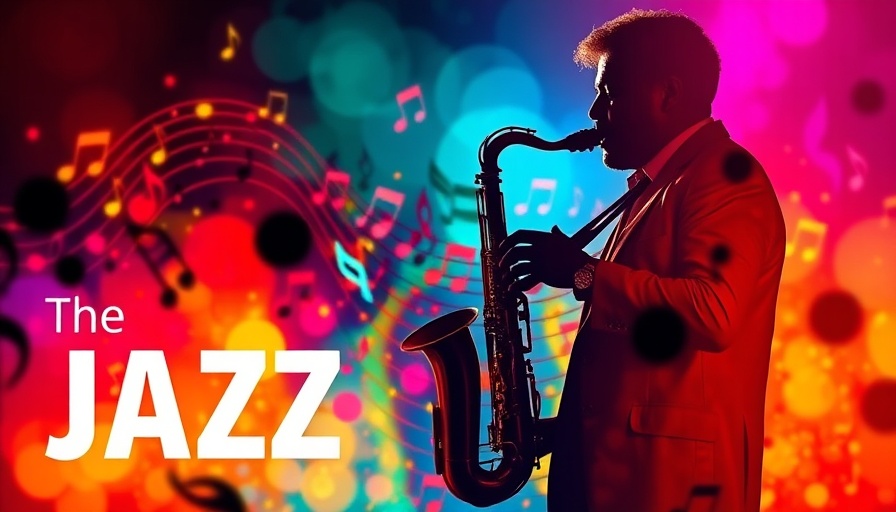
Mzantsi Jazz Awards 9th Season Kick-off vibrant saxophonist artwork.

Introducing the 9th Season of the Mzantsi Jazz Awards

This March, the Mzantsi Jazz Awards (MJA) celebrates the joyful kickoff of its highly-anticipated ninth season through a captivating announcement event, inviting jazz artists and enthusiasts alike to partake in this vibrant celebration of culture. Set for March 11th at noon CAT, this virtual gathering will illuminate the new season's exciting features, continuing the awards' mission to highlight the profound influence of jazz music. As aspiring and established artists gear up for the event, attendees can expect an unforgettable showcase of talent and inspiration.

The Impact of Jazz on Culture and Community

Jazz isn't merely a genre—it's a cultural phenomenon that transcends borders and generations. From its roots in the African American community to its modern iterations in South Africa and globally, jazz serves as a rich tapestry of shared experiences and artistic expression. The Mzantsi Jazz Awards aim to highlight not only jazz’s entertainment value but also its ability to uplift and heal, reinforcing its status as a vital part of the cultural heritage.

How the Mzantsi Jazz Awards Foster Growth and Recognition

The MJA plays a crucial role in the South African jazz scene, providing a platform for local musicians to gain exposure and accolades that can significantly impact their careers. Each season, the awards honor a variety of contributions, from Best Jazz Album to Best Upcoming Artist, allowing the public to vote and engage directly in the celebration of jazz. This participatory element encourages fans to feel more connected to the artists they admire, fostering a community vibrant with appreciation and respect for the art form.

A Look Back: The Journey of the Mzantsi Jazz Awards

Since its inception, the Mzantsi Jazz Awards have grown exponentially, reflecting the dynamic evolution of jazz in South Africa. The last few seasons have unveiled a plethora of talented artists, with notable nominees contributing to the rich legacy of South African jazz. This history serves as a backdrop as the awards prepare to embark on their ninth installment, highlighting how integral the genre is to the country's artistic identity.

Join the Celebration: Event Details and Expectations

Mark your calendars! The kick-off event on March 11th is more than just an announcement; it’s a celebration of community, creativity, and rhythm. Attendees can look forward to updates on new categories, esteemed nominees, and possibly even surprise guest performances. The virtual format allows jazz lovers from around the world to indulge in the festivities, making it a truly global celebration.

Why Support Jazz and the Mzantsi Jazz Awards

As jazz continues to evolve, so too must our support for the musicians who breathe life into it. The Mzantsi Jazz Awards not only elevate these artists but also promote a vibrant cultural discourse around jazz and its relevance today. By tuning into the announcement and participating in the events, audiences contribute to the sustainability and recognition of this beautiful genre.

Get Involved: How You Can Contribute

Jazz enthusiasts can play a vital role in the success of the Mzantsi Jazz Awards by participating actively—be it voting for their favorite artists, sharing the event details on social media, or even attending local jazz performances. Encountering live music can elevate your experience, as genres like jazz often find their best expression in community engagement and shared listening.

The Future of Jazz: Anticipating Trends and Growth

Looking forward, the evolution of jazz continues with new collaborations and innovations driven by technology and globalization. As platforms like online streaming services gain traction, artists find new avenues for creativity and audience connection. The MJA remains at the forefront, ready to embrace and celebrate these changes, ensuring the music continues to flourish for future generations.

The Mzantsi Jazz Awards offer an exciting opportunity to experience the rich tapestry of South African jazz. Be sure to join on March 11th for an event that promises inspiration, creativity, and a chance to revel in the profound impact this genre has on culture.

Arts & Culture

22 Views

0 Comments

Write A Comment

*
*
Related Posts All Posts
02.15.2026

Exploring Samba, Resistance, and Culture at São Paulo's Carnival: Insights and Impacts

Update Introduction: The Spirit of Carnival in São Paulo São Paulo's Carnival is more than just an annual festivity; it is a vibrant display of cultural identity, political expression, and community resilience that flourishes in a city known for its diversity and dynamism. The recent celebrations, characterized by samba, resistance, and a touch of magic, underscore the importance of this event not only as a party but as a platform for social commentary and unity.In Samba, resistance, and magic open São Paulo's carnival celebrations, the discussion dives into the cultural and political nuances of Carnival, exploring key insights that sparked deeper analysis on our end. The Cultural Significance of Samba Samba, often viewed as Brazil's national dance, is deeply rooted in the struggles and histories of Afro-Brazilians. Its rhythms and movements tell stories of joy and sorrow, celebration and resistance. The samba schools that parade in São Paulo during Carnival are not mere entertainers. They are custodians of cultural heritage, reflecting the resilience and creativity of the communities from which they emerge. This year, as performers danced through the streets, they encapsulated decades of history, using their artistry to provoke thought and celebrate progress amidst ongoing challenges. Resistance in Performance: A Reflection of Contemporary Issues The recent Carnival showcased how performances embody resistance against societal injustices. Amidst the lively parades, themes of police brutality, economic disparity, and systemic racism echoed through the choreography and lyrics. This aspect of the Carnival has evolved, turning the streets into arenas for social activism, where artists and spectators alike grapple with pressing issues such as African diaspora identity and systemic inequality. The dancers’ movements became a rallying cry for awareness, inviting participants to reflect on the socio-political landscape of contemporary Brazil. Political Overtones: Carnival as a Forum for Change Carnival in São Paulo is no stranger to the political climate. With Brazil facing a myriad of challenges such as corruption, economic instability, and political polarization, the samba celebrations provided a unique opportunity to engage citizens in dialogue about the future. Each float and costume told a story of hope and, at times, despair, encouraging citizens to envision a society free from oppression and discrimination. The event highlighted voices that demand accountability from leaders, drawing a direct parallel to political actions and civic responsibility. Avenue of Celebration: The Civic Role of the Carnival The spectacle of the Carnival serves as a reminder of the power of community in addressing larger issues. São Paulo's Carnival began as a celebration of liberation and joy, yet it has transformed into an avenue for civic engagement. Spectators are not passive observers; they are active participants in shaping the narratives surrounding their lives. Carnival invites everyone—locals and tourists alike—to connect through music, dance, and shared experiences, ultimately fostering a sense of belonging. Future Trends: The Evolution of Cultural Celebrations Looking forward, the future of São Paulo's Carnival seems poised for further evolution. With the blending of traditional samba and contemporary artistic expressions, there’s potential for an even richer tapestry of performances that address both local and global issues. As the Carnival continues to adapt and innovate, it reinforces the critical role of art in advocating for social change, making culture an integral component of political discourse. Conclusion: The Magic of Carnival The magic of São Paulo's Carnival transcends mere festivity; it is a vibrant celebration of identity, resilience, and community. The fusion of samba, resistance, and the artistry displayed plays a crucial role in shaping public consciousness and fostering a deeper understanding of societal challenges. As we reflect on this year's celebrations, it becomes evident that Carnival is not just a party; it is a vital expression of communal hope and an ongoing conversation about justice and equality. As we engage with stories from across Africa and examine their significance, let us take inspiration from events like Carnival that highlight the resilience of communities amidst a backdrop of challenges. Explore the richness of African culture, current events, and the voices that shape our world. Join the conversation and stay informed on what’s happening in Africa today!

02.12.2026

Exploring the Future of Southern African Culture with Music Crossroads Archival Project

Update Unveiling the Past: Music Crossroads' Role in Preserving Cultural Heritage In a significant move to preserve the rich tapestry of Southern Africa’s musical heritage, Music Crossroads Malawi has been selected as part of the innovative Futures_Past Programme. This archival initiative, aimed at revitalizing historical collections through immersive technologies, promises not only to safeguard traditional music but also to engage contemporary audiences in an experiential dialogue with the past. Why Archiving Music Matters The recent announcement highlights a growing awareness of the importance of preserving cultural heritage in an age dominated by rapid technological advancement. As music plays a crucial role in the identity and history of communities, safeguarding these collections becomes essential not only for cultural preservation but also for fostering innovation in storytelling through new digital mediums. Historical context shows that, similar to archived literature and art, access to music has often faced political censorship and social restriction, especially in post-colonial societies like those in Southern Africa. The Futures_Past Programme aims to combat these issues by digitizing and publicly showcasing collections, enabling communities to reconnect with their heritage in meaningful ways. By utilizing platforms such as augmented reality (AR) and virtual reality (VR), the program endeavors to transform how audiences interact with history. Creative Collaborations: Merging Art and Technology Under the banner of ‘Futures_Past: Amplifying Memory with Immersive Technologies’, participating artists and archival teams are poised to co-create impactful installations. This collaboration between custodians of memory and immersive artists ensures that vital stories are told with respect, creativity, and contemporary relevance. The process encourages innovative expression and reinforces the notion that art can serve as a bridge connecting generations. The inclusion of artists such as Kas Mdoka and Christopher Ngalu, alongside Zomba Arts Platform, enriches the project with diverse perspectives and experiences, embodying the spirit of collaboration. Together, they will explore themes such as resilience, identity, and cultural memory, emphasizing the unique narratives contained within the Music Crossroads Malawi Folksong Archive, which documents traditional songs tied to agriculture, spirituality, and social life. The Impact of Digital Transformation on Heritage Preservation This endeavor comes at a pivotal moment when the intersection of digital transformation and cultural preservation is more crucial than ever. Many archives are experiencing deterioration of physical media, with analogue formats losing their viability as technology evolves; thus, transitioning to digital formats is imperative. The use of AI and big data analytics to catalog and digitize materials can significantly enhance access and preserve the integrity of these collections. Furthermore, as society becomes increasingly interconnected through the digital landscape, it's essential for cultural institutions to adapt. The project not only preserves songs and oral traditions but also bridges the gap between traditional and modern practices. This gives younger generations the tools to engage with their heritage in innovative ways while using modern technology that resonates with them. Looking Ahead: Opportunities for Collaboration As the Futures_Past Programme unfolds from July 2025 through March 2027, there lies an extraordinary opportunity for collaboration between various stakeholders—from cultural institutions to tech innovators. Funding from the Embassy of France, along with support from local partners, indicates the international recognition that such projects can receive, thereby amplifying the importance of cultural preservation beyond national borders. Furthermore, with technology such as mobile applications, cloud computing, and immersive installations gaining traction, there is a burgeoning landscape for creative forms of storytelling that not only entertain but educate and connect individuals with their roots. Embracing Change: A Call to Action As the archival landscape flourishes through innovative projects like Futures_Past, it becomes evident that there is a pressing need for greater cultural inclusivity and preservation efforts within local and global communities. This is not merely about safeguarding the past but about engaging modern audiences in what that heritage means today and in the future. In conclusion, programs like this demonstrate the potential of a collaborative future where technology and tradition meet, reminding us of the stories waiting to be unearthed. Embracing such initiatives offers a chance to reflect on cultural identities and reimagine our connection to history. This is a clarion call for businesses and cultural institutions alike to support and invest in preserving the stories that shape our diverse societies. By investing in cultural preservation and innovative storytelling, we can ensure that the rich tapestry of humanity continues to inspire future generations. Consider supporting technology-enabled cultural initiatives in your region, and help amplify these voices through modern mediums.

02.11.2026

Mother City Documentary Screening: A Call for Change in Cape Town's Housing Crisis

Update Unpacking 'Mother City': A Welcome Shift in Dialogue on Housing The upcoming screening of the documentary Mother City at the Labia Theatre on February 18 marks more than just a cinematic event; it embodies a cultural pivot for Cape Town — a chance for communities to gather for essential conversations about our housing crisis and social identity. This documentary isn't merely about storytelling; it's a catalyst for action, as it gives voice to those who have felt the weight of Cape Town's enduring housing challenges. A Look at the Current Housing Landscape As Cape Town continues to grapple with its housing crisis, a situation exacerbated by COVID-19 and rising property prices, documentary initiatives like Mother City are necessary. The film highlights the ongoing strife of groups such as Reclaim the City, an activist collective championing affordable housing. Through engaging narratives, the documentary not only sheds light on the injustices faced by marginalized communities but also prompts urgent discourse on urban planning and social equity. From Isolation to Involvement: Fostering Community Action As journalist Lester Kiewit emphasizes, the screening symbolizes a deeper commitment to community interaction — a trend growing in importance as South Africans increasingly turn away from passive consumption towards active participation in significant civic issues. The film pushes viewers to consider: “Who is the City for?” It's a question echoing through the hearts of Capetonians as they contend with systemic segregation and a stagnant housing market. The Mother City screening is likely to inspire dialogues that resonate beyond the theatre, creating meeting grounds for collective action. The Power of Documentary Films as Catalysts for Change Mother City has already achieved remarkable recognition on the global stage, screening at over 34 international festivals. As such films gain traction, they’ve proven to be highly effective in not only raising awareness but also mobilizing grassroots movements. This is similarly reflected in the No Place to Call Home documentary, which tells the stories of residents affected by Cape Town's housing crisis, further solidifying the role of storytelling in activism. The precedent is compelling: documentaries can foster empathy and understanding, paving the way for more equitable solutions. The Intersection of Art and Advocacy The upcoming screening will lay bare the historical inequities that continue to plague Cape Town’s landscape. As Mother City touches on themes of belonging, it indirectly invites conversations about the lasting impacts of apartheid-era policies on contemporary housing issues. Several local figures, including housing activists and community leaders, champion this cause as they seek justice and proactive solutions for housing in well-located areas. What Happens Next? A Roadmap to Equity In light of the urgent discussions spurred by Mother City, future community initiatives could embrace various forms of engagement. The documentary’s impact can be magnified through roundtable discussions, petitions for policy changes, and increased visibility of housing rights campaigns. Activists are also putting pressure on local authorities to prioritize housing developments that cater to the needs of marginalized groups over profit-driven motives. Moving Towards a Shared Civic Imagination These community-centered events, as Kiewit suggests, are fundamental to reshaping our urban narrative. By creating time and space for dialogue—beyond the walls of theatres or studios—the hope is to foster connections that lead to real change in Cape Town. If successful, discussions ignited during the screenings could evolve into larger campaigns aimed at addressing the inequalities entrenched within our urban environments. The Mother City documentary screening is not just an opportunity to reflect; it’s an invitation to take action. Each ticket purchased, each conversation sparked could pave the way toward systemic changes in housing policy. We encourage all to take part in this enlightening gathering and join the quest for a more inclusive future for our beloved Cape Town. For more information and to book your ticket, visit the Labia Theatre's website.

Terms of Service

Privacy Policy

Core Modal Title

Sorry, no results found

You Might Find These Articles Interesting

T
Please Check Your Email
We Will Be Following Up Shortly
*
*
*