Add Row
Add Element
PR Africa: Your Gateway to Comprehensive African News and Insights
update
PR Africa
update
Add Element
  • Home
  • Categories
    • Entertainment
    • Automotive
    • Politics
    • Finance
    • Health & Fitness
    • Sports
    • Business
    • Cryptocurrency
    • Education
    • Fashion & Beauty
    • Home & Garden
    • Foreign Language News
    • Lifestyle
    • Real Estate
    • Religion
    • Science
    • Technology
    • Travel
    • News & Current Affairs
    • Crime & Safety
    • Arts & Culture
    • Environment
    • Food & Drink
    • Extra News
March 11.2025
3 Minutes Read

Central African Republic's New Alliance With Russia: What It Means Ahead of Elections

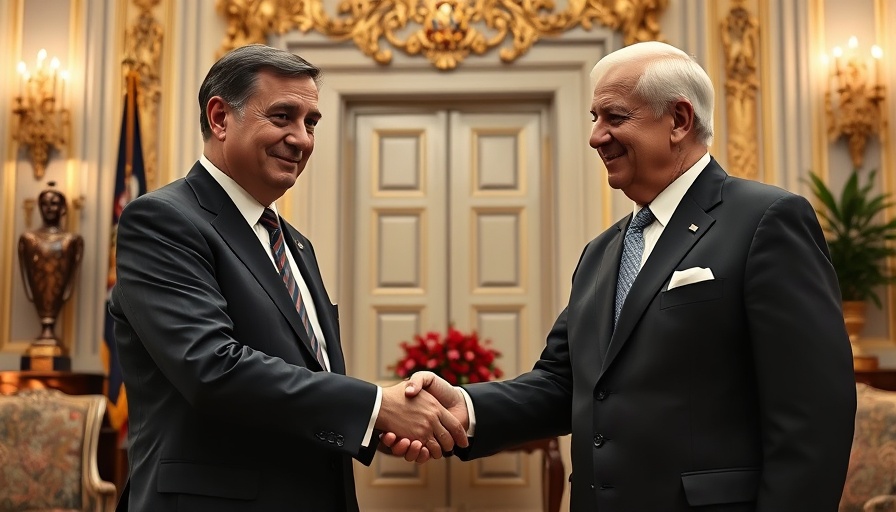
Central African Republic Russia partnership handshake in formal setting.

The Growing Partnership Between Central African Republic and Russia

As the presidential election gears up in nine months for the Central African Republic (CAR), President Faustin-Archange Touadéra is actively seeking new alliances to bolster his government. This time, he is turning to Russia for support across military, mining, and political fronts. This strategic pivot is not merely an act of desperation; it reflects deeper geopolitical shifts in the region that have begun to distance Bangui from its traditional Western allies.

Unpacking the Military Collaboration

The talks between Touadéra and Russian President Vladimir Putin signify a potential increase in military cooperation between CAR and Russia. Since 2017, Russian engagement has included the deployment of military instructors and the expected establishment of military bases. Such actions raise eyebrows internationally but are pursued by CAR in light of persistent security threats from political rebels and terrorist groups operating in the region.

Additionally, the cooperation extends to the infamous Wagner Group, a paramilitary organization closely associated with the Kremlin, which has strengthened its presence in CAR. This paramilitary group has been pivotal in maintaining relative stability, suggesting that Moscow's involvement is perceived as necessary by some segments of Bangui's political structure to ensure governance and security.

Economic Gains: A Strategic Overview

Beyond military endeavors, the economic partnership is burgeoning. Trade between the CAR and Russia has reportedly seen significant growth, with increasing discussions around resource extraction and technology trades. Touadéra’s administration is particularly keen on inviting Russian investments into agriculture and mineral resources. The CAR is endowed with rich deposits of gold, diamonds, and other minerals, making it an attractive playground for international investment.

However, grain imports from Russia have also formed a crucial lifeline for food security in the CAR, underscoring the multi-faceted nature of their partnership. With approximately 5.6 million citizens living amidst vast natural wealth but enduring poverty, the government sees strategically engaging Russia as a pathway to development.

Western Warnings and Regional Implications

Despite the attraction of this Russian partnership, the shift has spurred concern among CAR's Western partners, who may see it as a move towards increased authoritarianism rather than establishing real democratic governance. Organizations that prioritize human rights may view the collaboration with skepticism, particularly given the notorious history of exploitation in regions dependent on foreign powers.

Furthermore, as other nations in the region contemplate similar partnerships, there lies a vast potential for changes in political dynamics within Central and Southern Africa, and how they relate with global powers, such as the U.S. and European Union.

Charting a New Path Forward

The move towards Russia represents not just a change in foreign policy for CAR but also fosters discussions on how local governance and societal structures might evolve. The intent behind this partnership may echo in broader conversations about African self-determination regarding political and economic strategies in the face of foreign involvement. This newfound alliance also reflects a growing assertion for countries like CAR to leverage their resources to extract favorable terms while considering the historical context of colonialism and exploitation, thereby aligning with notions of decolonization and Afrocentrism.

The evolving relationships raise pertinent questions: Will Russia provide a sustainable development partnership for CAR? What implications will this have on democracy, governance, and human rights moving forward? As the CAR navigates these turbulent waters, the international community will be keeping a watchful eye on how these relationships unfold.

A Call for Engaged Policy Discourse

It is critical for professionals and stakeholders interested in African governance and international relations to understand and engage in the dialogue surrounding these developments. The multidimensional partnerships being forged require scrutiny, insight, and advocacy for progressive outcomes that prioritize governance, human rights, and sustainable economic growth. Engaging in policy discussions within the CAR context may provide valuable lessons in fostering collective empowerment and growth across the continent. Now, more than ever, informed dialogue is essential to ensure that strategic partnerships align with the advancement of democracy and human rights in African nations.

News & Current Affairs

24 Views

0 Comments

Write A Comment

*
*
Related Posts All Posts
01.12.2026

Scheduled Maintenance for SARS Digital Platform: What Professionals Should Know

Update Digital Overhaul: Transforming SARS for the Future As the South African Revenue Service (SARS) transitions to becoming a smart, modern institution, exceptional digital infrastructure is more than just a goal; it’s a necessity. The upcoming scheduled maintenance on the SARS digital platform from January 17, 2026, at 22:00 until January 18, 2026, at 02:00, is a crucial step in enhancing the robustness and security of its services. This maintenance aims to ensure higher availability of services such as eFiling and e@syFile, ultimately providing taxpayers and traders with an efficient and reliable means of fulfilling their obligations. Importance of Technology in Governance Integrating modern technology into government services has become essential for building trust and promoting transparency. With increased concerns about data security and systemic inefficiencies, SARS’s commitment to implementing rigorous upgrades reflects a larger trend in public service reform. By adopting advanced digital solutions, SARS aims not only to streamline operations but also to safeguard public trust—essential during periods of economic uncertainty. What to Expect During the Maintenance Period During the maintenance window, service interruptions on platforms including eFiling and Customs Digital Services can be expected. Stakeholders are urged to submit critical Goods Declarations and Road Manifests by January 17 at 20:00 to avoid delays caused by potential service disruptions. While completion of certain operations may lag, arrival and exit management functions at land border posts will remain accessible for all released declarations, emphasizing a commitment to service continuity amid technical enhancements. Global Context: Learning from Others The SARS case is not an outlier but part of a global phenomenon where governments are increasingly reliant on technology. As other countries enhance their digital tax systems, South Africa's efforts must be measured against the backdrop of successful international models. For instance, the UK's HM Revenue and Customs (HMRC) has undergone similar upgrades, resulting in improved taxpayer compliance and satisfaction—an outcome that SARS aspires to replicate. Looking Ahead: Future Predictions and Insights The trend towards digitization is poised to reshape governmental operations significantly. Future predictions suggest that as SARS evolves, we may witness enhanced capabilities leading to proactive tax compliance efforts driven by AI and machine learning. These advancements could lead to a more equitable tax system where discrepancies are detected and addressed swiftly, ultimately leveling the playing field for all taxpayers. Actionable Insights for Stakeholders As we approach the maintenance window, taxpayers and businesses must adapt by ensuring compliance documents are submitted promptly. Educating stakeholders on the timing of digital service availability can mitigate stress and delay. This period can also serve as a reminder of the importance of maintaining up-to-date records and exploring digital resources provided by SARS, fostering a culture of proactivity in tax compliance. The Role of Communication in Times of Change Effective communication will be paramount during and after this maintenance gap. Building a comprehensive public awareness campaign around the maintenance will ease concerns, especially for those uncertain about their service continuity. SARS has an opportunity to leverage this moment to enhance public perception—demonstrating transparency and responsiveness can strengthen ties between the government and its citizens. Conclusion: The Path to Digital Transformation The scheduled maintenance on SARS’s digital platforms represents more than just a temporary service interruption; it symbolizes the ongoing journey toward a more innovative and accountable administration. As SARS continues to enhance its systems, the potential ripple effects include greater taxpayer engagement and improved fiscal outcomes for the nation as a whole. Be proactive, stay informed, and contribute to a system that serves us all.

01.07.2026

Understanding the Customs Weekly List of Unentered Goods: Essential Insights for Professionals

Update Understanding the Customs Weekly List of Unentered Goods The South African Revenue Service (SARS) has recently released its Customs Weekly List of Unentered Goods, a crucial resource for professionals involved in import and export activities. This list serves as a notification to stakeholders regarding goods that have been placed in state warehouses. These warehouses play a critical role, not only in safeguarding goods but also in ensuring compliance with the Customs & Excise Act. Understanding this process can prevent unnecessary losses and enhance operational efficiency for businesses engaged in international trade. The Role of State Warehouses in Customs Management State warehouses are integral to the customs framework. Managed by Customs, these facilities are designed for securing undeclared, seized, or abandoned goods, thus ensuring duty and Value-Added Tax (VAT) obligations are met. Goods detained for incorrect tariff classification or lacking necessary permits are also housed here. This system allows for risk-controlled storage until customs regulations are fulfilled, thus protecting both the government’s revenue and the interests of traders. What Happens to Unentered Goods? Goods stored in state warehouses, if not claimed or entered into the customs framework, may be sold at public auction after a specified duration. The auctioning process serves the dual purpose of recouping customs duties and reallocating the goods under state control. This process is regulated and can significantly impact the supply chain for businesses as unclaimed goods could lead to financial losses if not managed appropriately. Why Awareness of Unentered Goods Matters Professionals operating in logistics, trade, and supply chain management must keep abreast of the Customs Weekly List of Unentered Goods. Not only does it help prevent revenue loss and legal penalties, but it also aids in strategic decision-making regarding inventory management and compliance. By staying informed, businesses can better predict market trends and adjust their operations accordingly, enhancing their competitive edge in the global marketplace. Future Implications for Trade Compliance As global trade evolves, so too does the regulatory landscape surrounding it. The ongoing updates from SARS regarding unentered goods reflect a tightening enforcement of customs laws and a push towards greater compliance in international trade practices. It is crucial for companies to adapt to these changes not only to avoid penalties but also to maintain their reputation in a competitive industry. Engaging with Customs: Taking Significant Steps Importers and exporters can take proactive measures to engage with Customs effectively. Regularly consulting the Customs Weekly List is just one of many steps. Organizations are encouraged to invest in compliance training and consider technology solutions that streamline customs processes and improve tracking and management of goods. Implementing a robust compliance framework can mitigate risks associated with customs regulations and enhance overall operational workflows. Conclusion: Why Staying Informed is Essential In summary, the Customs Weekly List of Unentered Goods is more than just a regulatory requirement; it’s a pivotal element of efficient trade operations. By being aware of the goods they handle and ensuring compliance with customs regulations, businesses can safeguard their interests and contribute to a smoother international trade environment. Understanding the implications of this list is essential for maintaining a competitive stand within the industry. As professionals in the trade sector, staying informed about such crucial updates is vital for operational success and compliance with international laws. Regular engagement with SARS can pave the way for more effective customs management practices. For more insights and updates, consider joining relevant forums or subscribing to industry newsletters.

01.07.2026

Exploring the Future: China-Africa Year of People-to-People Exchanges in 2026

Update China's Expanding Vision for Africa in 2026 The year 2026 marks a pivotal moment for Chinese diplomacy in Africa, encapsulated by the launch of the China-Africa Year of People-to-People Exchanges. As China's Foreign Minister Wang Yi embarks on a tour encompassing Ethiopia, Somalia, Tanzania, and Lesotho, he signals a profound shift in emphasis from transactional relationships to deeper, people-centered engagements. This strategic move aims to foster mutual understanding, cultural exchange, and collaborative growth across the continent. A Historical Perspective: Why Africa First? China's tradition of selecting Africa as the destination for its first official annual trip can be traced back over three decades. This long-standing practice showcases China's commitment to prioritizing relationships with African nations. Ethiopia, as host of the African Union's headquarters, symbolizes this focus. The upcoming events are not just diplomatic formalities; they are a prelude to a year dedicated to reinforcing interpersonal connections among young leaders, cultural exchange, and various sectors, including education and health. The skeletal framework for these exchanges is built on the premise that relationships anchored in understanding and shared experiences can yield long-term partnerships, which is pivotal at a time when global alliances are frequently tested. Building Bridges Through People-Centered Policies At the heart of the Year of People-to-People Exchanges is the intention to strengthen the ties between Chinese and African communities. Initiatives such as the China-Africa Youth Festival and cultural and educational programs aim to nurture friendships that transcend political boundaries. The motif of engagement is further solidified by opportunities for thousands of African students studying in China, thereby laying the groundwork for a new generation of leaders who can bridge cultural and societal gaps. In contrast, initiatives like the “100 Medical Teams in 1,000 Villages” demonstrate that the partnership is also about tangible benefits: addressing health challenges faced by communities across Africa. Diverse Approaches: Adapting to Local Needs China’s involvement in Somalia, Tanzania, and Lesotho illustrates an adaptive approach to development. In Somalia, for example, China's emphasis on reconstruction and humanitarian aid addresses the country's unique challenges, while in Tanzania, the focus has shifted to long-term investments that promote local industrialization. Meanwhile, in Lesotho, collaborations in renewable energy and education foster ties that go beyond mere financial transactions, seeking to align with local aspirations and developmental goals. The Shift Towards Digital and Sustainable Development As the digital age progresses, so too does the nature of cooperation. Frameworks for collaboration in areas like digital technology, cybersecurity, and green energy lead to opportunities for engagement in fast-evolving sectors. The forthcoming exchanges will encourage discussions around AI, IoT, and other innovations, aiming to not only share China’s developmental experiences but also to harness the unique capacities of African nations. Combining tech innovation with sustainable practices underlines a dual commitment to modernization and the fight against climate change. The Road Ahead: What This Means for Stakeholders China’s forthcoming initiatives in 2026 exemplify a clear understanding of the shifting geopolitical landscape. As the World grapples with new challenges, China’s ability to present itself as a stable partner in Africa, characterized by respect and long-term commitment, becomes an essential pillar of its foreign policy. This transformative vision promotes not just economic growth, but also cultural understanding in a rapidly changing world. For stakeholders—decision-makers, business leaders, and community organizers—the implications are profound. Engaging in this dialogue offers the potential for significant mutual benefits, expanded markets, and innovative partnerships. It provides a unique position for organizations in both regions to leverage technological advancements and cultural insights for enhanced collaboration. Take Action: Embrace the Opportunity As this year unfolds, it is crucial for you, as a business leader or decision-maker, to consider how your organization's goals can align with these new opportunities. Engage with programs that promote cultural exchange, technological collaboration, and sustainable initiatives. By doing so, you not only contribute to the China-Africa partnership but also position your business at the forefront of emerging markets and opportunities.

Terms of Service

Privacy Policy

Core Modal Title

Sorry, no results found

You Might Find These Articles Interesting

T
Please Check Your Email
We Will Be Following Up Shortly
*
*
*