Add Row
Add Element
PR Africa: Your Gateway to Comprehensive African News and Insights
update
PR Africa
update
Add Element
  • Home
  • Categories
    • Entertainment
    • Automotive
    • Politics
    • Finance
    • Health & Fitness
    • Sports
    • Business
    • Cryptocurrency
    • Education
    • Fashion & Beauty
    • Home & Garden
    • Foreign Language News
    • Lifestyle
    • Real Estate
    • Religion
    • Science
    • Technology
    • Travel
    • News & Current Affairs
    • Crime & Safety
    • Arts & Culture
    • Environment
    • Food & Drink
    • Extra News
May 01.2025
2 Minutes Read

BEAC Rehabilitation Fund: Unpacking the Tensions and Future Prospects

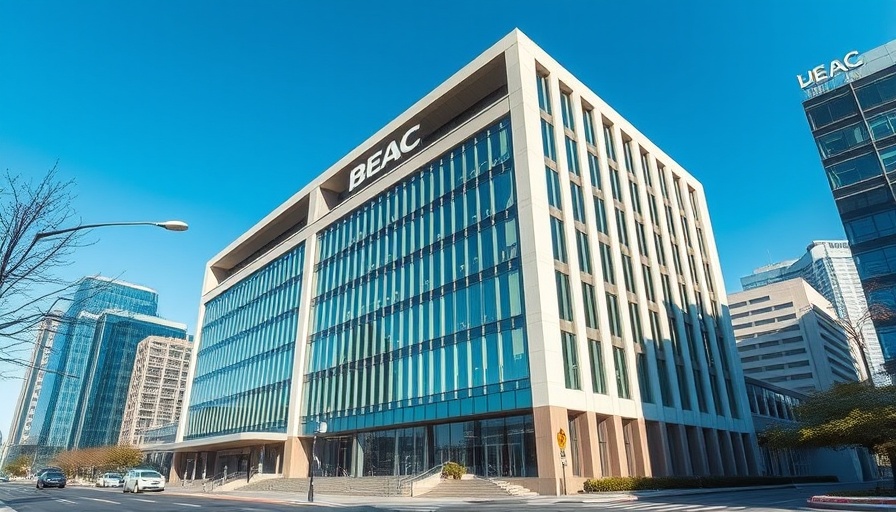
BEAC Rehabilitation Fund headquarters building exterior

Understanding the BEAC Rehabilitation Fund Dynamics

The Central African region is witnessing a significant development with the Bank of Central African States (BEAC) moving forward with its rehabilitation fund initiative, despite the absence of a comprehensive agreement. This decision occurs in the broader context of delaying negotiations by American extractive companies, which are seeking to repatriate substantial funds to the bank amid pressures from U.S. political quarters.

Regional Negotiation Challenges and Their Implications

Negotiations over rehabilitation funds have become a focal point for the economic stability of the Central African Economic and Monetary Community (CEMAC). The ongoing discussions reflect the delicate balance of power and influence exerted by external stakeholders, particularly American companies and their government. The Trump administration’s support for these companies adds a layer of complexity, influencing local governance and economic conditions.

The Broader Picture of U.S.-Central Africa Relations

This scenario sheds light on the intricate web of U.S.-Africa relations, particularly as they pertain to economic partnerships and development initiatives. With a focus on trade and investment, the U.S. has positioned itself as a key player in Africa’s economic landscape. However, the dynamics of negotiation often pose serious challenges to local governance structures, prompting critical examinations of how these international interests align with the developmental goals of Central African nations.

Future Predictions: What’s Next for Central Africa?

Looking forward, the prospect of reaching an agreement over these rehabilitation funds seems uncertain. While the Central African leaders have expressed hope that a consensus can be reached by April, ongoing delays raise questions about political stability and the broader implications for regional governance. The capacity for local governments to assert their interests amid external pressures will be pivotal for the area’s future.

Key Takeaways for Professionals Watching Central African Development

For industry professionals and interested stakeholders, understanding the intricacies of these negotiations is critical. The situation represents a classic case of how international policies and domestic realities can collide. Professionals in sectors like economic development, international relations, and political science must consider the implications of these dynamics, particularly as they relate to investment opportunities and regional stability.

Call to Action: Engage with Africa’s Economic Future

As developments unfold in Central Africa, professionals are encouraged to stay informed and engaged with the evolving landscape. Understanding these negotiations can lead to insightful discussions and potential collaborations in various sectors, particularly as Africa continues to assert its position on the global economic stage.

Conclusion: The Vital Need for Awareness and Insight

In conclusion, the situation surrounding the BEAC rehabilitation fund illustrates the complexities of governance and international relations within Central Africa. Comprehending these factors is essential for anyone interested in the region's future economic and political landscape. By fostering dialogue and understanding, we can contribute to a more nuanced perspective on these pivotal issues.

News & Current Affairs

22 Views

0 Comments

Write A Comment

*
*
Related Posts All Posts
01.02.2026

Discover the Migratory Marvels of Amur Falcons: What Their Journey Teaches Us

Update The Unwavering Journey of Amur Falcons The Amur Falcon is no ordinary bird; it embodies resilience and endurance by undertaking one of the longest migratory journeys in the avian world. As reported from southern Africa, two tagged Amur falcons, Alang, a young female, and Apapang, a male, are currently basking in Botswana and Zimbabwe. These fascinating migratory patterns are not just a spectacle of nature, but vital data shows the importance of tracking these birds, reflecting the intersection of technology and wildlife conservation. Why Are Amur Falcons So Remarkable? These small yet mighty raptors span across vast geographical terrains, migrating from their breeding grounds in Mongolia and northeast China to wintering zones in southern Africa. Their journey from India to Africa, often without a single stop, is a feat that has fascinated researchers and ornithologists alike. Notably, a tagged falcon named Ahu has not moved since mid-November, sparking concern among conservationists regarding her well-being and underscoring the need for continued monitoring through satellite data. The Technological Marvel of Satellite Tracking In an age where technology intertwines with wildlife preservation, the use of lightweight satellite transmitters is revolutionary. These devices, weighing as little as 3.5 grams, afford researchers a unique perspective on migration patterns, providing insights into the physical challenges these birds face over extensive water crossings. As recent data indicates, Apapang completed nearly 5,400 kilometers in just over five days, emphasizing not just their physical capabilities but also the critical role technology plays in understanding their biology. Conservation Efforts: A Collaborative Approach Over the years, the Amur falcon population faces threats largely from hunting, particularly in northeastern India. Thankfully, conservation efforts have gained momentum through community engagement, with villagers now protecting roosting sites. Authorities have even enforced temporary bans on hunting to ensure safe migration routes. This paradigm shift showcases how conservation can bridge cultural contexts and modern wildlife management techniques. Future Implications for Migratory Birds The ongoing study into the migratory patterns of Amur falcons has far-reaching impacts beyond understanding a single species. This data enriches global discussions on climate change, habitat preservation, and ecological interdependencies. As we gather more insights, the hope is to further enhance conservation strategies backed by solid, empirical data that underscore the needs of these incredible birds. Engaging the Global Community in Conservation The stories we gather from tracking Amur falcons bring us together to appreciate wildlife, promote biodiversity, and support essential ecological systems. As technology advances, we discover more ways to foster community-based conservation efforts which ensure the survival of not just the Amur falcon, but myriad species across the globe. Are we ready to answer the call of conservation through technology and community engagement? Today's technology can threaten wildlife if unregulated, yet it can also act as a lifeline. Just as satellite tracking helps comprehend the trials faced by Amur falcons, it likewise highlights a broader challenge: the necessity for global cooperation in conservation. As we reminisce about these falcons' exploits, let us actively participate in their protection.

12.31.2025

Ramaphosa's Vision for 2026: Unity and Reforms for South Africa's Prosperity

Update Hopeful Awakening: President Ramaphosa Sets Vision for 2026 As 2025 draws to a close, President Cyril Ramaphosa addressed the nation with a message of optimism and resilience. In his annual New Year’s address, he reaffirmed the commitment of the Government of National Unity (GNU) to tackle long-standing issues such as unemployment, poverty, and inequality. Emphasizing collective action, he expressed confidence that a united South Africa could realize its potential by 2026 and beyond. Uniting for Progress: Together We Build “We must bring our dreams to reality,” Ramaphosa said, urging South Africans to leverage their strengths in partnership with government, businesses, and civil society. The establishment of the GNU following the unclear results of the 2024 elections marks a significant shift towards coalition governance, setting a precedent for a more cohesive approach to the agenda of nation-building. This new government configuration holds promise for invigorating economic policies. By working across party lines, particularly involving the African National Congress (ANC) and opposition parties such as the Democratic Alliance (DA) and Economic Freedom Fighters (EFF), Ramaphosa aims to create policies that address systemic issues of inequality and access to services. Addressing Gender-Based Violence: A Collective Responsibility Another key component of President Ramaphosa's address was the urgent call to confront gender-based violence (GBV). Citing alarming statistics of violence against women and young girls, he implored South African men to take a stand against this societal ill. This appeal for respect and equality resonates deeply as the country continues its struggle for gender equity. By amplifying initiatives aimed at protecting vulnerable populations, the administration hopes to forge a more just society. Highlighting Economic Recovery: Challenges Ahead Despite challenges, there are signs of economic recovery. Initiatives that bolster public sector investment in infrastructure—such as roads, housing, and energy—are projected to rejuvenate local industries and create jobs. With an eye on the looming 2026 municipal elections, Ramaphosa's administration appears poised to highlight achievements in reducing inflation and enhancing business confidence. For many professionals and community leaders, these indicators are heartening, but sustained vigilance and cooperation among all stakeholders are necessary to ensure successful outcomes. The call for public sector reform and efficiency will resonate as citizens look for concrete results from their leaders. Future Outlook: The Importance of Unity and Engagement Ramaphosa's encouraging message not only focuses on immediate gains but also on long-term strategies necessary for structural reform. As South Africa positions itself to host the G20 summit on African soil in 2025, leveraging this international platform could further entrench the nation’s diplomatic relationships and economic standing. As the momentum builds toward the upcoming elections, political realignment may define the landscape of South African governance in the years to come. Strategic partnerships among political entities, civic organizations, and grassroots movements could redefine voter engagement, aiming for a higher voter turnout coupled with electoral reform. Empowered Citizens: Driving Change from Within Ultimately, the emphasis on grassroots movements and civic engagement will be instrumental in building the socio-political landscape envisioned by Ramaphosa. By empowering individuals and local communities, South Africans will play a pivotal role in shaping a nation resilient enough to weather future crises. In summary, President Ramaphosa’s New Year message is not merely a tradition but a clarion call to unite, learn from the past, and pave a prosperous future. South Africans are urged to engage actively in both the electoral process and community-building efforts, as only through collective effort can the goals set forth be achieved. To contribute to this transformative journey, it is imperative for citizens to discuss and advocate for policies that prioritize the values of equity, respect, and accountability.

12.30.2025

How the Fitness Community is Coping After Sina Ghami's Loss

Update The Tragic Loss of a Visionary: Remembering Sina Ghami The news of Sina Ghami's untimely death in a car crash in Nigeria has sent shockwaves through the fitness and entrepreneurial communities in London. As the co-founder of two popular gyms in West London, his influence extended far beyond the gym walls. These facilities were not just venues for exercise; they were community hubs where individuals sought empowerment, health, and camaraderie.In 'London gyms mourn loss of co-founder killed in Anthony Joshua crash', we explore the tragic implications of Ghami's death and its resonance within both the local and wider communities. The Impact on the Community Ghami's passing led to the unexpected closure of his gyms, a poignant gesture reflecting the profound grief felt by both employees and patrons. Gyms often serve as sanctuaries for tackling personal challenges, and to abruptly close those spaces underscores the depth of loss. His contribution to fitness culture in London emphasized more than just health; it fostered a social connection amongst members, holding a mirror to the human spirit's resilience. Challenging the Status Quo: A Legacy of Innovation Sina Ghami was known not only for his entrepreneurial skills but also for his commitment to fostering an inclusive fitness community. His initiatives encouraged diversity and participation from various demographics, particularly in a city marked by its multicultural landscape. In an era when mental health is increasingly recognized as vital to overall wellbeing, Ghami's philosophy and practices at his gyms have been crucial in providing holistic fitness experiences. Connections That Extend Beyond Borders The circumstances of Ghami’s death raise important discussions about road safety, particularly in regions where driving conditions can be perilous. As Nigeria continues to grapple with infrastructural challenges, it begs the question: how can improvements in transportation safety help mitigate similar tragedies? This issue resonates within the broader narrative of African development, intertwining Ghami’s legacy with urgent social issues. A Call to Action: Honoring His Memory The closure of the gyms in Ghami's honor serves as a reminder of our collective responsibility. While we mourn the loss of an inspiring leader, we must also celebrate his vision by advocating for safer communities and supporting initiatives that promote health, fitness, and educational opportunities. Those who knew him or were impacted by his work are encouraged to reflect on how they can contribute to this legacy. Community Remembrances and Future Tributes In the days following this tragedy, social media has become a powerful platform for sharing memories and tributes to Ghami. From heartfelt messages to the sharing of personal fitness journeys inspired by Ghami's work, the online community is engaged in honoring him. Memorial events and initiatives are anticipated, aiming to celebrate his contributions while raising awareness for road safety and community safety. The tragic loss of Sina Ghami not only highlights the fragility of life but also the significant mark one individual can leave on countless others. As we reflect on the impact he had on the fitness community and beyond, we are reminded to continue fostering the values he championed—community, inclusivity, and resilience. Moving forward, let us honor Ghami's memory by pushing for progress both in fitness and community welfare. Each of us can play a part, whether by championing local causes, advocating for safer driving conditions, or simply inspiring others as Ghami did.

Terms of Service

Privacy Policy

Core Modal Title

Sorry, no results found

You Might Find These Articles Interesting

T
Please Check Your Email
We Will Be Following Up Shortly
*
*
*