Add Row
Add Element
PR Africa: Your Gateway to Comprehensive African News and Insights
update
PR Africa
update
Add Element
  • Home
  • Categories
    • Entertainment
    • Automotive
    • Politics
    • Finance
    • Health & Fitness
    • Sports
    • Business
    • Cryptocurrency
    • Education
    • Fashion & Beauty
    • Home & Garden
    • Foreign Language News
    • Lifestyle
    • Real Estate
    • Religion
    • Science
    • Technology
    • Travel
    • News & Current Affairs
    • Crime & Safety
    • Arts & Culture
    • Environment
    • Food & Drink
    • Extra News
July 04.2025
3 Minutes Read

Elephant Rescue: Landmark Surgery by South African Vets in Cambodia

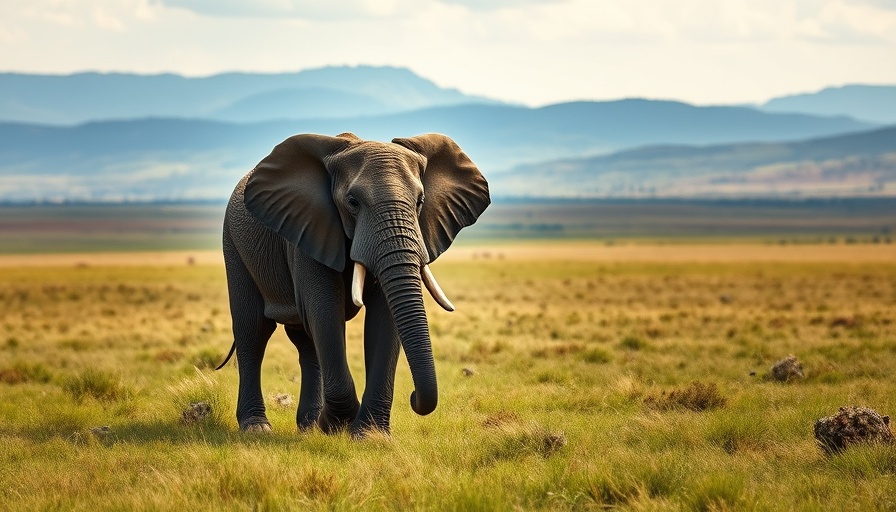
Majestic elephant in grassy savannah, serene and lifelike.

A Medical Marvel: The Story of Chi Chlorb

In a groundbreaking medical procedure that recently captured global attention, a veterinary team from the University of Pretoria (UP) performed Cambodia's first-ever tusk extraction on Chi Chlorb, a distressed Asian elephant residing in the Kulen Elephant Forest (KEF) sanctuary in Siem Reap. This milestone in international veterinary care shines a light on both ethical wildlife treatment and the importance of international collaboration in conservation efforts.

Unpacking the Surgery: Risks and Rewards

Chi Chlorb had been suffering from a fractured tusk for the past 18 months. Dr. Navaneetha Roopan, head veterinarian for Wildlife Alliance, identified the situation early on and highlighted potential risks such as infection and chronic discomfort that the elephant faced due to the injury. The surgery aimed to alleviate these health threats and marked an essential advancement in animal care in Cambodia.

Why This Matters: The Broader Implications for Conservation

This heroic intervention not only saved Chi’s life but also represents a new chapter in conservation practices across Southeast Asia. Many elephants at KEF are trauma survivors, having endured years in the brutal tourism industry. This surgery signifies a collective commitment to ethical wildlife treatment, offering hope to other sanctuaries in the region.

The Cultural Significance of Elephants in Cambodia

In Cambodian culture, elephants are revered as majestic animals with deep ties to spirituality and local customs. They play a vital role in folklore, symbolizing strength and loyalty. However, the stark reality of their treatment in tourism presents a divide, making the conservation of these beautiful creatures critical. This historical surgery amplifies the conversation around rescuing and rehabilitating elephants while respecting and honoring their cultural significance.

Future Forecasts: Trends in Animal Veterinary Care

The successful tusk extraction could pave the way for future treatments of injured elephants and other wildlife. Experts in the field expect this operation to inspire heightened safety protocols and veterinary initiatives for wildlife across various regions. As more veterinarians and conservationists work together, the possibility of advanced methods in wildlife care becomes increasingly promising.

Cultural Lessons: Understanding Ethical Wildlife Tourism

As travelers, understanding the implications of wildlife tourism is crucial. Elephants, often used in rides and shows, face immense physical and psychological stress. This incident serves as a reminder to us—all travelers and animal lovers—of the importance of choosing ethically responsible wildlife encounters. Prioritizing ecotourism that respects animal welfare protects not only the creatures but enhances our travel experiences by fostering authentic cultural connections.

A Personal Touch: Emotional Resonance of Animal Rescue

The story of Chi Chlorb resonates deeply with many travelers. We often form profound connections during our adventures, including understanding and appreciating the animals and landscapes around us. Knowing that an elephant like Chi is now on a path to recovery can evoke a sense of relief and hope. As travelers, familiarizing ourselves with stories like these reminds us of the impact we can have in promoting kindness towards wildlife.

Next Steps: How You Can Support Wildlife Conservation

Travelers interested in wildlife protection can contribute significantly through ecotourism initiatives. Choosing ethical travel agencies, participating in wildlife conservation programs, and supporting sanctuaries can help create a positive impact. Each visit to a location can double as an opportunity to advocate for better treatment of animals, combined with the engaging experiences that make travel memorable.

In a world that sometimes seems hostile to animal well-being, the story of Chi Chlorb and the team from UP is a refreshing reminder of compassion and care. By participating in conscious tourism, you play an essential role in crafting a future where such beautiful animals are treated with the dignity they deserve.

Travel

15 Views

0 Comments

Write A Comment

*
*
Related Posts All Posts
12.04.2025

Explore the Art and Adventure Trails of South Africa's Hidden Sculpture Hikes

Update Discovering South Africa’s Sculpture Trails: A Fusion of Art and NatureSouth Africa is known for its wild landscapes and diverse experiences that extend beyond its wildlife. Remarkably, this land also nurtures a growing trend that merges art with the great outdoors, offering travelers an immersive journey where contemporary sculptures and ancient artworks line the trails of its stunning nature reserves. From the breathtaking Cederberg mountains to the coastal beauty of the Eden to Addo Corridor, these sculpture hikes present a unique way for adventurers to engage with the environment.Art Cederberg: A Hidden Gem in South AfricaAmong the most enchanting places to explore is Art Cederberg within the Klein Cederberg Nature Reserve. Spanning an impressive 16,000 hectares, this reserve encompasses majestic sandstone formations, fynbos plains, and inviting hiking tracks. The experience is enriched by contemporary sculptures thoughtfully placed by South African artists. These installations, often nestled within ancient rock formations, encourage hikers to slow down, as they get 'lost' in their discovery. It's not just a hike; it's a treasure hunt in the heart of nature.Land Art Route: Commitment to ConservationThe Eden to Addo Corridor project represents a visionary effort to reconnect South Africa's fragmented ecosystems, integrating 18 parks and nature reserves along the Garden Route. An integral part of this corridor is the Land Art Route, where artists have installed works that resonate with the landscapes they inhabit. Hikers enjoy moments of reflection as they encounter pieces that blend with the surroundings, evoking themes of migration, water conservation, and wildlife connections.Exploring Ancient Narratives through Rock ArtNo exploration of South Africa’s art scene is complete without a nod to its ancient rock art. The Cederberg Wilderness Area and the Matjiesrivier Nature Reserve showcase some of the world's significant San Bushmen rock art, which dates back thousands of years. Here, visitors can walk trails peppered with ochre-stained panels that tell stories of early life, beliefs, and the intricacies of human existence. This art not only contextualizes the past within the present but also affirms the timeless connection between creativity and nature.Urban Art Experiences: Nirox Sculpture ParkIf you're in Johannesburg, the NIROX Sculpture Park offers a different take on outdoor art without venturing far into the wilderness. Set along the Blaauwbankspruit River, this 30-hectare park features over 50 permanent installations and frequently hosts large curated exhibitions. It's a space where art meets the environment, allowing guests to experience the vibrancy of contemporary sculpture amidst indigenous wetlands and diverse wildlife.The Importance of Connecting with Art and NatureThese sculpture trails across South Africa aren't merely about viewing art; they're about slowing down to embrace every detail of nature and reflection. They encourage travelers to reconnect with their surroundings, supporting local artists and environmental conservation efforts. By taking the time to engage deeply with the art, you foster a sense of place that enriches both your travel experience and the communities around you.Planning Your Art and Nature AdventureFor those eager to explore these unique trails, consider the best times to visit. Autumn and winter provide cooler conditions for hiking in the Cederberg, while summer mornings are ideal for coastal routes. Remember to pack essentials like trail shoes, water, and a good camera to capture the beauty. Permits may be required for access to certain sites, especially for rock art, so plan accordingly.Concluding Your Journey with Meaningful TipsEngaging with the art within these natural landscapes provides a richer understanding of both environmental and cultural narratives. As travelers embark on this journey, they should prioritize sustainability—sticking to paths, respecting art installations, and minimizing their footprint. Whether traversing the Cederberg trails or wandering through urban gardens, every step taken in reverence to these artworks helps preserve the integrity of these remarkable places.Now it's your turn to experience the invigorating blend of art and adventure in South Africa. Dive into the rich tapestry of history, culture, and nature that awaits. Plan your next trip and embrace the unique stories told through the sculptures scattered within these beautiful landscapes.

12.03.2025

Explore Africa's Floating Experiences: Dining, Wellness, and Adventure Awaits!

Update A Unique Perspective of Africa: Floating Cuisine and RelaxationWhen we think of Africa, rich savannahs and breathtaking landscapes often come to mind. However, some of the most unforgettable experiences on this vast continent occur on its waters. From floating restaurants serving delicious local fare to tranquil houseboats navigating serene rivers, Africa has a wealth of unique dining and relaxation opportunities that should not be missed.Lake Victoria: A Culinary OasisEast Africa’s Lake Victoria is home to a vibrant culture centered around its floating restaurants and bars, especially in Uganda. Jinja's waterfront boasts platforms where visitors can indulge in grilled tilapia and local beers while soaking up stunning views. Similarly, near Kisumu in Kenya, floating eateries create an ambiance filled with mellow music, delightful dishes, and the beauty of nature. These establishments not only provide mouth-watering meals but also a charming atmosphere reflecting the best of local traditions.Zambezi River: An Elegant Drift into NatureThe Zambezi River, flowing gracefully beneath the formidable shadows of Victoria Falls, offers unforgettable dinner cruises that blend luxury and nature. As guests dine on multi-course meals, they are treated to sightings of hippos swimming nearby and elephants grazing the banks. With both luxury and casual cruising options, travelers can enjoy culinary delights as they sip drinks while the sun sets over the river.The Timeless Nile ExperienceEgypt's iconic Nile River is a staple of floating adventures, featuring traditional dahabiya boats that allow for a slow and contemplative journey. Travelers can relish in onboard dining experiences that showcase both local and international cuisine while exploring riverside history and culture. With stunning views and the gentle sway of the boat, a Nile cruise feels both tranquil and enriching.Houseboats: The Ultimate Floating RetreatFor a long-stay getaway, Southern Africa's houseboats, particularly those on Lake Kariba, offer a secluded experience with luxurious amenities. Nestled in quiet bays, guests can swim and admire the stunning wildlife as they drift along. Chobe's houseboats provide incredible wildlife viewing opportunities, delivering a seamless blend of comfort and adventure as nature unfolds right before your eyes.Floating Wellness Experiences: A New Trend in RelaxationEmerging from Africa’s wellness landscape are unique floating spa experiences. Zanzibar, famed for its azure waters, has introduced floating massages where guests relax on platforms infused with natural oils. Meanwhile, Mauritius is home to overwater spa pavilions, elevating relaxation to new heights with stunning views beneath glass floors.Coastal Africa: Pontoon Dining GemsAs we drift towards the coast, floating pontoons around Africa are gaining popularity for dining experiences unlike any other. Mozambique offers floating lunches amidst turquoise waters, while Mauritius charms with private dining options that promise unforgettable romantic moments. These experiences highlight Africa’s dedication to blending nature with gourmet cuisine.Drifting into Adventure: Disconnect to ReconnectTraveling through Africa’s aquatic environments provides a distinctive perspective on the continent's culture and natural beauty. Whether you’re cruising the Nile, dining over Lake Victoria, or indulging in a floating spa treatment in Zanzibar, these adventures invite you to slow down and immerse yourself in your surroundings. Africa's floating experiences are not just about food and relaxation; they're about creating memories that connect you to the essence of the continent, emphasizing the beauty of going with the flow.

12.02.2025

Uncover the Best Micro-Destinations in Africa Just an Hour Away

Update Discover Africa’s Hidden Micro-Destinations for Urban Escapes Across the vast landscapes of Africa, adventure can often be found in the most unexpected places—just an hour away from bustling capital cities. From lush forests to tranquil lakes to places rich in history, Africa is studded with micro-destinations that offer quick getaways, the perfect antidote to urban stress. Karura Forest: A Lush Sanctuary in Nairobi Begin your journey at Karura Forest, located just north of Nairobi, Kenya. Spanning over 1,000 hectares, this urban oasis is a blend of natural beauty and cultural history. Visitors can enjoy walking and cycling trails, serenity amidst bamboo groves, splashing in delightful waterfalls, and even spotting unique bird and butterfly species. With convenient access by matatus or taxis, families and solo travelers alike can immerse in this peaceful environment without losing touch with the urban vibe nearby. Lake Muhazi: A Serene Kayaking Escape Near Kigali Just under an hour's drive from Kigali lies Lake Muhazi, known for its crystal-clear waters and tranquil ambiance. This narrow lake offers a refreshing retreat for those wanting to unwind or engage in activities like fishing, canoeing, or simply enjoying the serene lakeside views. Eco-lodges dotting the shores provide cozy accommodations, making it an ideal location for couples or families in search of relaxation amidst nature. Cradle of Humankind: Diving Deep into History Another must-visit micro-destination is the Cradle of Humankind near Johannesburg, South Africa. Recognized as a UNESCO World Heritage site, this historical treasure is approximately 50 kilometers from the city. Home to the famous Sterkfontein Caves, where ancient human fossils were uncovered, it's a site teeming with archaeological significance. Exploring these caves and visiting the interactive exhibits at the visitor center sparks curiosity about human origins, making it an enriching educational experience. Kumbali Cultural Village: A Glimpse of Malawian Heritage Nearing Lilongwe, the Kumbali Cultural Village invites visitors to immerse in the rich traditions of Malawi. With cultural tours that showcase local crafts, music, and the heart of Malawian customs, this destination stands out as an opportunity to support local artisans while exploring. The warmth of community and the authenticity of experiences here offer a refreshing alternative to typical tourist activities. Why Micro-Destinations Matter These four captivating escapes remind us that adventure doesn’t always necessitate significant travel. For city dwellers yearning for fresh experiences, accessing nature, culture, and history within close proximity to home enhances our understanding of our surroundings and promotes local tourism. Sustaining lesser-known gems, such as those discussed, can help preserve cultural heritage while ensuring economic benefits directly reach local communities. The Future of African Adventure Travel The demand for accessible, immersive experiences is on the rise. As more people prioritize short getaways, micro-destinations like Karura Forest, Lake Muhazi, the Cradle of Humankind, and Kumbali Cultural Village are gaining popularity. These spots not only allow for personal connection with nature and culture but also contribute to sustainable tourism efforts across the continent. Plan Your Weekend Escape As cities expand and life quickens, it’s paramount to take a step back and rediscover the wonders right outside our urban residences. Whether you’re looking for a peaceful retreat or an educational adventure, these micro-destinations offer a manageable escape within the vibrant landscapes of Africa. Why not plan your next weekend getaway today?

Terms of Service

Privacy Policy

Core Modal Title

Sorry, no results found

You Might Find These Articles Interesting

T
Please Check Your Email
We Will Be Following Up Shortly
*
*
*