Add Row
Add Element
PR Africa: Your Gateway to Comprehensive African News and Insights
update
PR Africa
update
Add Element
  • Home
  • Categories
    • Entertainment
    • Automotive
    • Politics
    • Finance
    • Health & Fitness
    • Sports
    • Business
    • Cryptocurrency
    • Education
    • Fashion & Beauty
    • Home & Garden
    • Foreign Language News
    • Lifestyle
    • Real Estate
    • Religion
    • Science
    • Technology
    • Travel
    • News & Current Affairs
    • Crime & Safety
    • Arts & Culture
    • Environment
    • Food & Drink
    • Extra News
November 01.2025
3 Minutes Read

Discover the Futurewear Collective: Local Triumph in Sustainable Fashion Collaboration

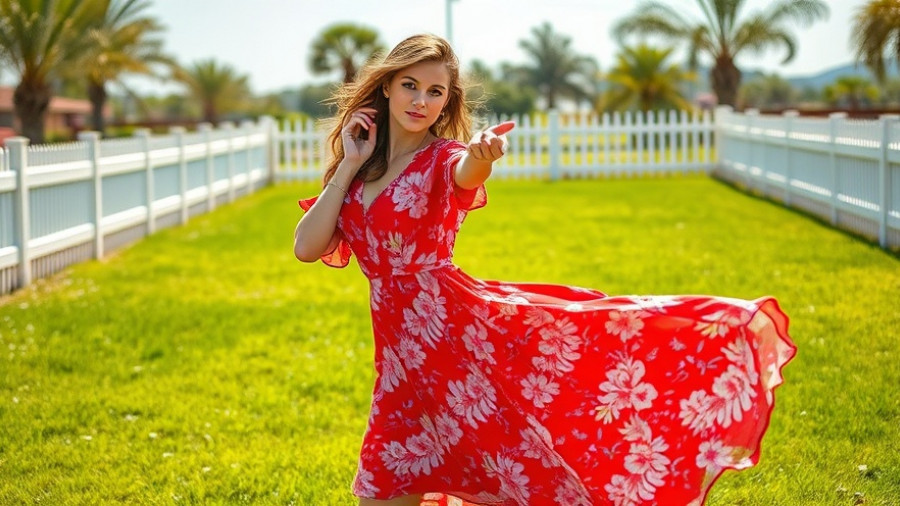
Stylish sustainable fashion in South Africa with colorful floral dress.

Embracing Collaboration: The Heart of Fashion Innovation

In a remarkable display of unity and creativity, the PnP Clothing Futurewear programme has birthed a stunning limited-edition collection, set against the backdrop of South Africa's vibrant fashion landscape. This initiative brings together seven talented designers, each with their unique flair, under the guiding hand of seasoned designer Gavin Rajah and mentor Julia Buchanan, reflecting the power of collaboration in fashion.

Supporting Local Talent Through Sustainable Fashion

At the core of this collaboration lies the commitment to support local manufacturing, a core tenet of the Futurewear initiative. Each designer contributed distinctive designs, including chic blazers, flowing dresses, and contemporary sets, using eco-friendly materials and sustainable practices. This collective effort not only showcases individual talents but also reinforces the importance of local sourcing, allowing the designs to resonate deeply with South African aesthetics while contributing to ethical fashion.

Captivating Collection Inspiration and Elements

The collection is embellished with vibrant floral prints designed by Julia Buchanan, complemented by a focus on innovation that merges traditional influences with modern fashions, using textiles like Kente fabrics and Ankara prints. Pieces such as satin jumpsuits and layered blouses offer versatility and mixing opportunities, stepping away from fast fashion through a commitment to quality over quantity.

The Role of PnP Clothing and Job Creation

PnP Clothing's visionary approach not only nurtures emerging designers but also plays a crucial role in sustaining jobs through partnerships with local suppliers and small factories. This commitment extends beyond mere garment production, fostering a community of creatives, including photographers and videographers, whose contributions enhance the overall brand narrative.

Fostering Community Spirit in the Fashion Industry

“The Futurewear Collective encapsulates our mission to make quality fashion accessible,” stated Hazel Pillay, Managing Executive for PnP Clothing. This collection isn't just about fashion; it’s a movement aimed at uplifting the South African design industry through collaboration. It brings together diverse talents to showcase a unified approach, echoing the sentiment of shared strength and mutual support essential for thriving in today's competitive fashion landscape.

Emotional Resonance: Fashion as a Form of Expression

Fashion transcends mere clothing; it serves as a medium of cultural expression and identity. As these designers draw from their own backgrounds and communities, they create garments that narrate personal stories, celebrate rich heritage, and inspire a sense of belonging. Each piece is more than fabric; it's a reflection of the emotional and cultural tapestry of South Africa, connecting wearers to their roots.

What Lies Ahead for the Futurewear Collective

The Futurewear Collective will be available from October 27 at select PnP Clothing stores and online, showcasing a promise of sustainability intertwined with creativity. As this initiative flourishes, it provides a roadmap for aspiring designers to harness community support and leverage collaboration for greater impact.

In a world increasingly leaning towards eco-conscious choices, the Futurewear Collective's approach presents not just a fashion statement, but a blueprint for the future growth and sustainability of South Africa’s fashion industry.

Fashion & Beauty

35 Views

0 Comments

Write A Comment

*
*
Related Posts All Posts
02.01.2026

Nairobi Fashion Week: Rethinking Consumption in African Fashion

Update The Impact of Consumption on the Fashion IndustryThe recent Nairobi Fashion Week has brought forward a pressing dialogue within the African fashion sector: the need to rethink consumption practices. As global awareness around sustainability and ethical consumption intensifies, the fashion industry stands at a crucial crossroads. Designers and brands alike are beginning to recognize their potential role in either exacerbating environmental degradation or leading the charge towards sustainability.In 'Kenya: Nairobi fashion week challenges industry to rethink consumption', the discussion dives into the pressing need for sustainability within the fashion sector, exploring key insights that sparked deeper analysis on our end. An Exploration of Ethical Fashion PracticesThis year’s event focused on innovative strategies that aim to minimize environmental impacts while embracing ethical practices. From utilizing sustainable materials to adopting circular fashion models, the discussions at Nairobi Fashion Week showcased a variety of approaches for designers to mitigate their carbon footprint. Emphasizing ethical sourcing and fair trade practices not only empowers local economies but also resonates with consumers increasingly aware of their purchasing decisions.The Influence of African Designers on Global TrendsKenyan designers are not just following trends—they’re creating them. By infusing cultural elements with modern aesthetics, they are redefining what it means to consume fashion responsibly. One notable example is the collaboration between local artisans and contemporary designers, which not only promotes traditional craftsmanship but also encourages consumers to support sustainable practices. As these designers gain international recognition, there is an opportunity for Africa to lead in the sustainable fashion movement.Counterarguments: The Challenges of Changes in ConsumptionDespite the promising initiatives, there are counterarguments concerning the feasibility of widespread ethical consumption. Critics argue that while the concepts are admirable, many consumers are still driven by fast fashion trends and low prices. The challenge lies in converting interest into actionable change. It requires collective effort—from consumers to policymakers—to shift towards a value-driven consumption model.Future Predictions: A Shift in Consumption CultureAs Nairobi Fashion Week highlights the significance of sustainability, the future may hold a transformative shift in consumption culture. With an influx of eco-conscious consumers who prioritize ethical practices over fleeting trends, the potential for an enhanced solidarity between fashion and the environment looks promising. Moreover, as governments and organizations push for environmentally sound practices, we may witness a more formal integration of sustainability into fashion policies across Africa.Taking Action: Embracing Sustainable FashionTo dive deeper into sustainable fashion, professionals in the industry should advocate for both educational outreach and community engagement. By creating platforms that facilitate dialogue about sustainable practices and fostering relationships among designers, consumers, and policymakers, a comprehensive strategy to tackle consumption can be developed. Steps to prioritize the purchase of sustainably-made garments and decrease waste in the fashion supply chain are vital.Conclusion: The Road Ahead for African FashionThe conversation ignited by Nairobi Fashion Week is crucial. As the industry confronts the complexities of consumption, the shift towards sustainability is no longer a choice but a necessity. With growing interest from consumers and support from designers, Africa stands on the verge of pioneering a revolution in fashion that prioritizes ethical practices and ecological responsibility. For all professionals engaged in this sphere—now is the time to lead the charge for change.

01.30.2026

Avoiding Common Mistakes When Buying Luxury Furniture: Essential Insights

Update The Costly Pitfalls of Buying Luxury Furniture In an era where style and substance collide, buying luxury furniture emerges as both a thrilling journey and an intricate challenge. For enthusiasts of design and flair, investing in high-end pieces can transform a home into a masterpiece, but without the right knowledge, this endeavor might lead to regretful decisions. Giava Interiors, a prominent luxury design firm in South Africa, highlights common mistakes that can tarnish this otherwise rewarding experience. Growing awareness among consumers can foster better investments while enhancing the overall aesthetic. Understanding 'Bespoke' vs. Customized At the heart of luxury furniture purchasing lies a crucial distinction: bespoke versus customized. A common mistake among buyers is conflating these terms. As stated by designer Vinette Diab-Nicholls, true bespoke furniture is crafted from scratch, adhering to specific designs and detailed craftsmanship, while simply changing fabrics or finishes does not qualify. Buyers must prioritize pieces that acknowledge their unique preferences, ensuring that their selection stands the test of time, both in style and construction. Structural Integrity: The Unsung Hero of Design In the lavish world of high-end furniture, aesthetics often take precedence, causing many to overlook structural integrity. Beautifully crafted showpieces may fall short if the internal construction lacks strength. It's vital to inquire about joinery techniques, internal framing, and materials suited for humid climates, significantly impacting the piece's longevity. A deep dive into the craftsmanship behind furniture can empower consumers, encouraging thoughtful selections over impulsive buys. Provenance Matters: Don’t Neglect Material Quality Luxury should also encompass the quality of materials used. Buyers are encouraged to investigate the origins of fabrics, woods, and finishes to ensure they are investing in premium products. Not all expensive items possess the same level of quality; thus, validation of sources like sustainable African textiles and recycled materials can enhance not only aesthetic appeal but also ethical satisfaction. Anticipating Logistics: Planning Beyond Purchase In today's fast-paced consumer world, the allure of instant gratification can lead buyers to overlook timing and logistical details. Constructing bespoke pieces often involves meticulous planning, especially in contexts laden with logistical hurdles such as load shedding in South Africa. Acknowledging lead times is crucial; consumers must engage with producers transparently to align expectations and avoid future frustrations. The Price Trap: Quality Over Cost While it’s tempting to rely heavily on price as a prime decision-making factor, this can lead to hasty errors. Cheaper quotes can indicate compromised quality and insufficient craftsmanship, often causing greater costs in the long run. Finding reputable brands that prioritize high-quality materials and service is essential in the pursuit of a satisfying luxury purchase. Empowering Consumers Through Education Giava Interiors underscores the importance of consumer education as a pathway to fostering a robust luxury design market in South Africa. By equipping clients with knowledge about material choices and manufacturing techniques, businesses can cultivate transparency, allowing for more informed purchasing decisions. Their guide, featuring pivotal questions for architects and developers, encourages insightful interrogations before buying. Conclusion: Making Informed Choices By understanding the pitfalls of luxury furniture buying, consumers can make educated decisions that align with their aesthetic and practical needs. Whether incorporating Afrocentric elements or opting for environmentally friendly materials, one’s choices should promote an enriched lifestyle where style marries function. If you’re passionate about elevating your space and ensuring lasting elegance, consider these insights as stepping stones to your dream home. Ready to redefine your space? Explore bespoke pieces from local designers who prioritize quality and craftsmanship in every creation.

12.16.2025

Cruelty-Free Gifting: Elevate Your Festive Spirit with Kind Choices

Update A Compassionate Celebration: The Rise of Cruelty-Free GiftingAs the festive season approaches, a growing trend in gifting emerges: a commitment to cruelty-free options that prioritize the well-being of animals. This year, FOUR PAWS South Africa launches an updated Wear it Kind Brand Directory, featuring 60 new fashion brands committed to animal welfare. With over 300 brands now rated, this directory serves as a vital resource for consumers looking to make thoughtful gift choices.Fashion That Cares: Choosing Ethical BrandsWith eight out of ten adults agreeing that fashion companies should reduce reliance on animal-derived materials, it’s evident that cruelty-conscious shopping is now a priority.FOUR PAWS emphasizes brands that prohibit fur, down, and leather, encouraging shoppers to support sustainable and ethical alternatives. Increasingly, consumers wish to avoid contributing to the exploitation of animals through their purchases.The Stakes of Fashion ChoicesThis effort is underscored by alarming realities in the fashion industry, where practices like live lamb cutting and live plucking remain prevalent. Brands such as Ecoalf and Sealand Gear are leading the charge by phasing out animal cruelty. While on the other end, luxury players like Dior and Louis Vuitton lag behind, continuing unsustainable practices. This dichotomy emphasizes the need for increased transparency and accountability across the board.A Guide to Thoughtful GiftingThe festive season provides the perfect opportunity to shift our gifting habits. The Wear it Kind Brand Directory highlights numerous ethical brands, including local African designers and global leaders alike, showcasing how compassionate choices can be both stylish and sustainable. From recycled fabrics to locally sourced textiles infused with cultural heritage like Kente fabric and Ankara prints, there is no shortage of chic, ethical options available.Celebrating Local TalentIncorporating local fashion brands into our gifting strategy contributes to both the economy and the environment. Brands such as Sealand Gear epitomize ethical production, utilizing eco-friendly materials that reflect the vibrant colors and rich patterns characteristic of African textiles. This not only supports local artisans but also celebrates the unique beauty of African culture.Beyond Fashion: Beauty with a PurposeThe movement extends beyond fashion into the beauty realm, where brands that celebrate cruelty-free practices are winning the hearts of conscious consumers. Africa is home to treasure troves of natural skincare brands utilizing indigenous ingredients like Baobab oil and traditional methods that resonate with the ethos of sustainability. Products that embody these principles are perfect gifts for those who appreciate ethical beauty.Gift with Intention: Practical TipsWhen making gifting choices this season, keep a few helpful tips in mind:Research Brands: Utilize directories to find brands committed to ethical practices.Consider Giving Back: Donations or adopting animals in someone’s name illustrates a commitment to compassion.Emphasize Experiences: Gifting experiences, like a workshop from an African designer or a fashion show ticket, can be as meaningful as physical gifts.The Future of Gift Giving is KindThis festive season, let’s incorporate principles of sustainability and compassion into our gifting by opting for ethical brands. As we celebrate kindness, we can collectively contribute to the fight against animal cruelty, one mindful choice at a time. Let’s wear it kind because this year, cruelty is never in style.

Terms of Service

Privacy Policy

Core Modal Title

Sorry, no results found

You Might Find These Articles Interesting

T
Please Check Your Email
We Will Be Following Up Shortly
*
*
*