Add Row
Add Element
PR Africa: Your Gateway to Comprehensive African News and Insights
update
PR Africa
update
Add Element
  • Home
  • Categories
    • Entertainment
    • Automotive
    • Politics
    • Finance
    • Health & Fitness
    • Sports
    • Business
    • Cryptocurrency
    • Education
    • Fashion & Beauty
    • Home & Garden
    • Foreign Language News
    • Lifestyle
    • Real Estate
    • Religion
    • Science
    • Technology
    • Travel
    • News & Current Affairs
    • Crime & Safety
    • Arts & Culture
    • Environment
    • Food & Drink
    • Extra News
August 09.2025
3 Minutes Read

Demand for Accountability: Gayton McKenzie’s Racist Remarks Spark Outrage

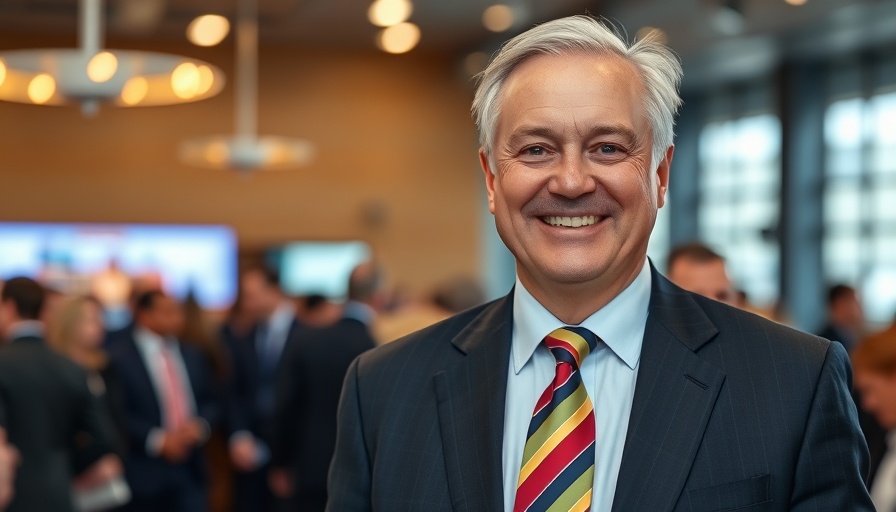
Confident man in suit smiling at event, Government of National Unity.

Old Posts Resurface: A Minister Under Fire

The political landscape in South Africa is reeling once again as Minister of Sports, Arts and Culture, Gayton McKenzie, finds himself at the center of controversy due to resurfaced social media posts. These posts, dating back to 2013, showcase McKenzie using the K-word—a derogatory term against Black individuals—multiple times. The calls for accountability are echoing as opposition members, including African Transformation Movement MP Vuyo Zungula, demand immediate action from President Cyril Ramaphosa. In a statement, Zungula emphasized, "Is this really the vision of unity and inclusivity that the GNU stands for? We demand action NOW!"

Historical Context of Racial Language in South Africa

The use of racially charged language in South Africa is not merely a relic of the past; it continues to ripple through the fabric of society. Terms like the K-word hold layers of historical oppression that resonate deeply among Black South Africans. As the nation grapples with its tumultuous history, such language can undermine years of hard-fought progress towards racial reconciliation. Incidentally, McKenzie’s comments are not just his to bear; they reflect broader societal issues that challenge South Africa's journey towards unity.

The Political Ramifications of McKenzie’s Posts

In the current political climate, McKenzie’s resurfaced posts could have severe implications for the ruling coalition government, particularly as the 2024 general elections loom on the horizon. The Government of National Unity (GNU), composed of several parties including the African National Congress (ANC), Democratic Alliance (DA), and Economic Freedom Fighters (EFF), is expected to present a united front. However, incidents like this expose fractures, prompting questions about accountability within the coalition structure. This brings into focus how opposition parties like the EFF and DA may use the controversy to sway voter sentiment as the electoral landscape shifts.

Public Reaction: Social Media's Role in Modern Accountability

Amidst this controversy, the power of social media becomes evident. Platforms like X (formerly Twitter) have become vital tools for citizens in holding public figures accountable. The hashtags trending online illustrate the collective outrage, underscoring the role of digital activism today. As many citizens take to social media to voice their discontent with racially insensitive remarks, it becomes increasingly difficult for politicians to evade the ramifications of their past actions.

Coalition Politics: Navigating the Future

The challenges posed by McKenzie’s posts also raise significant questions regarding the stability and effectiveness of coalition politics in South Africa. With the ongoing discussions about political realignment and the dramatic shifts in voter turnout observed in recent elections, leadership crises within coalition parties can influence both policy decisions and public opinion. It becomes imperative for the GNU to act decisively to maintain its credibility and avoid alienation of key voter demographics.

Next Steps: What Action Must Be Taken?

As criticism mounts, the question remains: how will President Cyril Ramaphosa respond to calls for action? The accountability of public officials must not only be a rhetorical flourish but should result in tangible measures that reflect the values of equality and respect for all citizens. This situation presents an opportunity for a necessary dialogue around systemic issues such as income inequality, racial reconciliation, and the role of language in politics, ultimately shaping the contours of South Africa’s future.

Call to Action: Standing Against Racism

As discussions around McKenzie’s statements unfold, it is crucial to prioritize anti-racism in public policy and social discourse. Engaging in conversations about the impact of language, encouraging participation in anti-corruption measures, and pushing for reforms that tackle the roots of discrimination are essential steps to ensure a more inclusive future. The time for action is now; we as citizens must demand accountability and foster environments where youth participate in shaping a parliament that reflects our diverse society.

Politics

52 Views

0 Comments

Write A Comment

*
*
Related Posts All Posts
02.20.2026

NFP Turmoil: Two Councillors from Nongoma Resign Amid Party Conflict

Update Instability Shakes NFP LeadershipIn a striking turn of events, two National Freedom Party (NFP) councillors, Kaiser Dladla and Mshangane Ndabandaba, have announced their resignation from the Nongoma Local Municipality, following a tumultuous period marked by significant internal strife. Their departure not only adds to the political unrest within the party but also foreshadows potential ramifications for future governance in KwaZulu-Natal (KZN).A Context of ResignationThe resignations come on the heels of similar departures by three other NFP councillors just a month ago, raising eyebrows about the motives behind these abrupt exits. Reports suggest that the councillors' resignations might stem from their frustrations with party leadership and a lack of cohesion amidst ongoing internal conflicts.This shake-up is significant as the NFP, a key political player in KZN, has faced mounting pressures, exacerbated by the suspensions of its provincial chairperson, Mbali Shinga. Shinga's current disciplinary hearing over defiance against party directives has created a ripple effect, revealing fractures within the party's hierarchy and governance approach.NFP's Withdrawal from the Government of Provincial UnityEarlier this year, the NFP made headlines by withdrawing from the Government of Provincial Unity in the province, a decision that indisputably shifted the political landscape. This withdrawal reflects broader trends of instability and dissatisfaction among opposition parties in South Africa, driven by emerging challenges of accountability, public service delivery, and electoral integrity.The Impact of Upcoming ElectionsAs the country gears up for the 2024 general elections and 2026 municipal elections, the implications of these councillor resignations extend beyond local governance. Analysts argue that the political realignment observed within the NFP might glean attention from other opposition parties such as the African National Congress (ANC) and the Economic Freedom Fighters (EFF). This reshuffling could influence voter turnout and the overall electoral landscape in KZN.Reactions from the Political ClassPolitical observers note that these resignations could signal deep-seated issues within the NFP, particularly around leadership effectiveness and unity. John Steenhuisen of the Democratic Alliance (DA) recently emphasized the need for robust opposition parties to ensure better parliamentary oversight and executive accountability amidst these unfolding developments. Similarly, Julius Malema of the EFF has criticized the NFP’s management, highlighting a broader call for reform and transparency.Corruption and GovernanceThe backdrop of these resignations also touches on corruption concerns and state capture that have plagued South African political discourse. With parties like the NFP facing increasing scrutiny, issues such as anti-corruption measures, public sector reform, and improved service delivery remain critical for citizens who are weary of ongoing political scandals.Future Prospects for the NFPThe future of the NFP will largely depend on how effectively it can address these internal challenges and align itself strategically with public demands. The acknowledgement of the need for electoral reform, especially in light of recent events, hints at a turning point for South African politics.Conclusion: A Call for Reflection and EngagementThe resignation of these councillors is more than just an internal party matter; it is indicative of the shifting dynamics within South African politics, especially as the country prepares for significant electoral milestones. As citizens and stakeholders, it's essential to remain engaged with these developments, advocating for transparency and accountability in governance.The time is ripe for reflection on the resilience of political institutions and the necessity for reforms that prioritize the needs of the populace. As we navigate through these issues, continuous civic engagement and accountability are paramount to fostering a healthier democratic landscape.

02.19.2026

Cyril Ramaphosa's Warning on the GNU: A Collective Responsibility Beyond Politics

Update The Call for Unity Amid Political TensionsIn a politically charged environment, President Cyril Ramaphosa has raised significant concerns regarding the politicization of the Government of National Unity (GNU) during his recent reply to the State of the Nation Address (SONA) debate. Cautioning against any attempts to attribute achievements to specific political parties, Ramaphosa emphasized that success in governance should be seen as a collective effort rather than as an individual party triumph. His remarks particularly targeted the Democratic Alliance (DA), highlighting that ministers should not claim successes derived from shared governance as victories for their political entities.Echoes of Apartheid and Modern InequalityDuring his address, Ramaphosa didn't shy away from confronting historical injustices. He denounced the lasting scars of apartheid that continue to manifest through economic disparities, asserting that it is unacceptable for Black, Coloured, and Indian South Africans to experience fewer opportunities and increased poverty compared to their White counterparts. Addressing this systemic inequality is not only a matter of economic policy but also a pressing social justice issue that impacts the foundation of South Africa's democracy.The Legacy of Governance: A Call for ResponsibilityAs the country gears up for the 2024 general elections and the 2026 municipal elections, the discourse around party accountability is crucial. Ramaphosa's appeal for collective ownership within the GNU highlights the necessity for a governance model that resists individual branding in favor of a unified approach, especially against the backdrop of intensified political realignment and challenges. The need for coherent coalitions among opposition parties becomes increasingly crucial as factions like the Economic Freedom Fighters (EFF) and the DA seek to leverage their positions within the evolving political landscape.Understanding Political Realignment in South AfricaThe recent history of South Africa is marked by the fractures caused by internal party politics and the growing calls for electoral reform. With discussions around the GNU becoming a central theme, it's evident that the current coalition government must navigate the complexities of diverse political ideologies while addressing critical issues such as service delivery, economic policy, and social grants reform. The interplay between the ANC, DA, and other parties like the EFF creates a multifaceted political environment, which, if not carefully managed, could destabilize existing governance structures.Future Predictions: A Coalition's Path ForwardSeeking to build a more inclusive future, the government faces the challenge of ensuring that the voices of all sectors of society are not only heard but actively integrated into policy-making. Ramaphosa’s vision of an equitable South Africa goes beyond mere rhetoric; it requires actionable strategies centered around education reform, land reform, and anti-corruption measures. Understanding the potential impact of the GNU on South African society calls for an analysis of voter turnout and engagement in the upcoming elections, tapping into the public's sentiment towards the political landscape and the perceived efficacy of coalition governance.Actionable Insights: Engaging the Public in Democratic ProcessesThe role of civil society in shaping public policy cannot be underestimated, especially in a climate where political consolidation and reform are paramount. As members of the professional community, there is a tangible opportunity to engage with and inform the electorate about their rights and responsibilities within the governance framework. Encouraging grassroots movements and empowering citizens through civic education can promote greater accountability from elected officials and lead to a more vibrant democratic process in South Africa.Amidst these discussions, it is crucial for citizens, especially the youth, to participate actively and hold their leaders accountable. Engaging in dialogue around issues such as income inequality, racial reconciliation, and gender-based violence can catalyze significant societal changes. As the 2024 elections approach, it is vital to mobilize voters around a platform of integrity, equality, and transparency, paving the way for an empowered and unified recentralization of political power.Conclusion: A Call for National Reflection and ActionIn light of Ramaphosa's warnings and reflections, the urgency for South Africans to reassess their roles in society cannot be overstated. As professionals, we hold the responsibility to lead discussions that bridge divides and foster cooperation across the political spectrum. The journey toward true equality and societal healing requires collective action and commitment. Therefore, let us engage, reflect, and act, striving for a South Africa where all citizens have equitable access to opportunities and resources.

02.19.2026

Macron's Diplomacy Sparks Niger's Shift on Uranium Sales: Insights for Professionals

Update Macron's Diplomatic Dance: Why Niger's Uranium Sale Shift Matters In an unexpected twist in West African geopolitics, France’s President Emmanuel Macron has leveraged intense lobbying efforts to intervene in Niger’s uranium market decisions. This move follows the Nigerien junta's announcement in December 2022 of their plans to nationalize the uranium supplier Somair and to put uranium on the international market, a resource critical to both energy supplies and geopolitical power dynamics in the region. Understanding the Local Context of Uranium Mining Niger stands as one of the world's significant producers of uranium, historically fulfilling a key role in the global nuclear energy supply chain. After the military coup in 2023 that marked a significant shift in power dynamics, the junta led by General Abdourahamane Tchiani began re-evaluating its partnerships with countries like France. This is notable especially given that the French company Orano, which previously operated in Niger, has found itself struggling to retain control over its mining interests. The Role of Diplomacy in Resource Management Macron’s intense engagement with regional leaders, including the president of Togo, Faure Gnassingbé, illustrates a broader strategy to stabilize French influence in Niger and protect vital energy resources from falling into foreign hands. Given the strategic importance of uranium, the negotiation processes are not merely about trade but are deeply intertwined with issues of governance, democracy, and national sovereignty. Geopolitical Impacts of Uranium Policy Changes The implications of Niger's uranium plans extend well beyond the borders of West Africa. With countries like Russia expressing interest in Niger's resources, the shift away from traditional partners like France towards potential new alliances could realign regional power structures. For instance, Niger's pivot towards Russia for support against insurgent forces not only redefines its military collaborations but also its economic partnerships. Rediscovering Independence through Resource Control General Tchiani's assertion of Niger's right to sell its uranium independently reflects a broader trend of decolonization and Afrocentrism among African nations. This not only empowers Niger as they chart their own course but also strengthens their position in negotiations over resource management, sovereign rights, and economic growth. The question remains whether this newfound independence will lead to greater prosperity or deeper entrenchment in regional conflicts. Future Predictions: What’s Next for Niger? As Niger re-evaluates its international relationships and ownership of resources, several scenarios could unfold. The potential for developing a robust mining sector might invigorate local economies, but it also risks ongoing conflicts with global interests. As the AfCFTA progresses and regional trade agreements evolve, Niger's role will prove pivotal in determining both local and continental economic trajectories. Conclusion: Engaging with Emerging Trends The dynamics surrounding Niger's uranium sale highlight the intersection of resource management, international relations, and national identity. As professionals in various sectors deliberate over these developments, it is essential to monitor how these changes will unfold, potentially reshaping not just Niger but the African continent's approach to natural resource management. Keeping abreast of these trends is crucial for those involved in governance, economic development, and international business.

Terms of Service

Privacy Policy

Core Modal Title

Sorry, no results found

You Might Find These Articles Interesting

T
Please Check Your Email
We Will Be Following Up Shortly
*
*
*