Add Row
Add Element
PR Africa: Your Gateway to Comprehensive African News and Insights
update
PR Africa
update
Add Element
  • Home
  • Categories
    • Entertainment
    • Automotive
    • Politics
    • Finance
    • Health & Fitness
    • Sports
    • Business
    • Cryptocurrency
    • Education
    • Fashion & Beauty
    • Home & Garden
    • Foreign Language News
    • Lifestyle
    • Real Estate
    • Religion
    • Science
    • Technology
    • Travel
    • News & Current Affairs
    • Crime & Safety
    • Arts & Culture
    • Environment
    • Food & Drink
    • Extra News
June 26.2025
4 Minutes Read

Central African Republic's National Mourning: A Community's Pain and Reflection

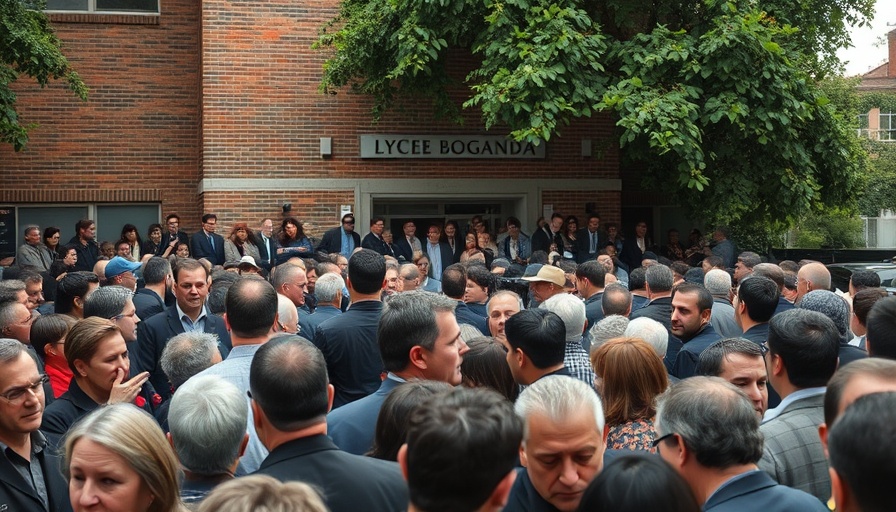
Crowd gathering during Central African Republic national mourning.

A National Tragedy: The Central African Republic Mourns

In a profound moment of grief and reflection, the Central African Republic (CAR) has declared three days of national mourning following a catastrophic incident that left at least 29 schoolchildren dead and over 250 injured on a fateful day in Bangui. The harrowing events unfolded during high school examinations at the prestigious Bélimi Boganda High School, where students gathered for their final assessments.

In 'Central African Republic declares three days of national mourning following stampede', the discussion dives into the tragic incident that led to the loss of young lives, exploring key insights that sparked deeper analysis on our end.

Prime Minister Felix Malwa's visit to hospitals housing the injured signaled the government's commitment to address this tragedy. Survivors recounted the chaos that erupted when an explosion caused a stampede, disrupting not only the examination but also the future dreams of many families.

Understanding the Incident

The chaos began with a loud explosion, reportedly from transformers near the school, sending students and staff into panic. Witnesses emphasized the horrifying scene, with bodies strewn across the grounds as emergency services struggled to restore order in the wake of overwhelming chaos. The explosion triggered a stampede that worsened the casualty count, leading to multiple injuries requiring urgent medical care.

A Community Shattered: The Parents' Heartbreak

Parents described their anguish as they rushed to hospitals, desperate for information about their children. One anguished mother recalled receiving a phone call from the police urging her to hurry to the community hospital, only to find her daughter in critical condition. This calling captures not just the individual pain of loss but mirrors the collective heartbreak that resonates through the community.

The Role of the Government in Crisis Management

This incident has sparked urgent discussions regarding the responsibilities of government institutions during crises. Accountability and transparency will be crucial in the aftermath, especially considering the need for reliable safety measures in schools. In a nation struggling with systemic issues across its health and education sectors, it raises questions about the preparedness of public institutions to safeguard the lives of young citizens.

Reflections on Education in the Midst of Crisis

The tragedy at Bélimi Boganda High School serves as a somber reminder of the vulnerabilities present in educational environments within the CAR. An estimated 5,000 students gathered there for important high school examinations, a moment that should signify hope and promise for future education. Yet, this incident underscores the urgent need for reforms in safety protocols and emergency readiness across academic institutions nationwide.

Health Infrastructure and Response Challenges

With more than 250 students injured and several fatalities, the health response to this catastrophe has been crucial. Reports indicate that hospitals in Bangui faced an overwhelming influx of patients, with 85 victims admitted at one facility alone. The analysis of how health systems responded to such unprecedented demands is essential not only for future preparedness but also for fostering public trust in healthcare services.

A Community's Resilience in Recovery

In the face of adversity, the resilience of communities often shines through. As the CAR navigates the aftermath of this tragedy, support systems will be essential for healing. Initiatives that foster solidarity, such as memorial services and community dialogues, can help families process their loss. Local leaders and government officials must also prioritize comprehensive mental health support for survivors and affected families to foster healing.

The Broader Implications for African Governance

This incident highlights broader governance concerns and reflects systemic challenges faced by the African continent. It sheds light on the urgent necessity for effective government accountability, public infrastructure development, and the importance of creating a safe educational environment. In tackling systemic governance issues, the CAR can set an example for neighbors facing similar challenges.

As Africa continues to address issues of security, public health, and education, the CAR's tragedy stands as a call to action for governments and stakeholders to prioritize the safeguarding of vulnerable populations, especially children. International collaboration may play a crucial role in helping countries like the CAR build their capacities to prevent such tragedies in the future.

Conclusion: A Call for Reflection and Action

The heartbreaking incidents at Bélimi Boganda High School should push all stakeholders to reflect on the fragility of life, especially among the young population. As we come together to mourn and support the families affected, we must also advocate for reforms that protect our future generations. To bring about meaningful change, it is essential for communities, governments, and civil society to unite in dialogue and action.

Significantly, the CAR's tragedy is a stark reminder of the urgent need for accountability within governance institutions across Africa as nations strive towards better safety and security measures for their citizens.

News & Current Affairs

35 Views

0 Comments

Write A Comment

*
*
Related Posts All Posts
12.04.2025

How NJ Ayuk's Blueprint Aims to Transform Energy Access in Africa

Update Revolutionizing Energy Access in Africa: NJ Ayuk's VisionIn a groundbreaking initiative aiming to solve one of the continent's most pressing issues, NJ Ayuk has unveiled a new blueprint designed to transform energy access across Africa. This strategic vision not only addresses the current energy crisis but also aligns with the broader goals of sustainability and economic development essential for the continent's future. Ayuk, a prominent figure in African energy discussions, emphasizes that reliable energy access is paramount for Africa's growth and stability, serving as a catalyst for economic empowerment and health improvement.The Context of Africa's Energy ChallengeAfrican nations are grappling with severe energy deficits, hampering socio-economic development. Despite possessing abundant resources, a large portion of the population lacks access to modern energy. The recent challenges have intensified due to rising demands for electricity generated by urban expansion and population growth. According to various studies, nearly 600 million Africans still lack access to electricity, creating barriers to healthcare, education, and job opportunities.The Components of the BlueprintAyuk’s plan sets forth multiple strategic actions: promoting public-private partnerships, leveraging alternative energy sources, and enhancing infrastructure investment. He stresses the importance of integrating fossil fuel exploration with renewable energy advancements to create a balanced energy portfolio. Additionally, his blueprint advocates for significant governmental reforms, particularly in policy implementations that prioritize energy access as a fundamental human right.Political Will and Energy TransformationTo see this transformation through, it is essential for African governments to exhibit strong political will. Countries like South Africa, with a significant energy history influenced by apartheid and current corruption challenges, present both obstacles and opportunities for reform. Leaders must engage in effective policymaking and foster transparency in state-owned enterprises to establish a sustainable energy future. Ayuk calls for collaborative efforts among African nations to unify efforts, targeting the energy crisis collectively.Broader Implications for Democracy and GovernanceWhile the focus on energy access is critical, the strategies proposed by Ayuk have broader implications for governance and democracy in Africa. By ensuring energy accessibility, governments can empower citizens, enhancing participatory governance and service delivery. This is paramount in fostering the tenets of the Constitution and the Bill of Rights, ensuring that every African has the right to energy as part of their fundamental rights. For democracy to thrive, transparency and accountability must prevail in the energy sector, reducing instances of state capture and corruption.The Role of Civil Society and Local CommunitiesPublic participation in the decision-making processes is vital for the success of energy initiatives. Civil society organizations play a crucial role in advocating for accountability and transparency in energy governance. By equipping local communities with knowledge and tools, individuals can demand their rights and engage meaningfully in energy discussions, paving the way for effective grassroots solutions.Conclusion: A Call for ActionIn conclusion, NJ Ayuk's new blueprint for transforming energy access in Africa serves as a clarion call for all stakeholders. It invites governments, civil society, and the private sector to collaborate towards a common goal—ensuring universal energy access. Ney opportunities abound, and by acting decisively, Africa can harness its resources to provide energy for all, fostering economic independence and improved living standards. The future energy landscape must be equitable, sustainable, and inclusive. Engaging positively in this transformation can create not only a brighter future for Africa but also a robust foundation for social and economic prosperity.

12.03.2025

Escalating Violence in Mozambique Forces 100,000 to Flee: What It Means for Africa

Update The Alarm Bells Ring for Mozambique: Understanding the Escalating Violence In recent weeks, northern Mozambique has found itself at the epicenter of a humanitarian crisis. The United Nations refugee agency has raised alarms as escalating violence has driven over 100,000 individuals from their homes, prompting fears of a broader humanitarian disaster. These alarming figures reflect not only immediate displacement but an ongoing conflict that has already uprooted 1.3 million people within the region.In UN sounds alarm as violence in northern Mozambique forces over 100,000 to flee, the discussion dives into the intricate humanitarian issues, providing a launching point for our deeper analysis. The Dire Humanitarian Needs: More Than Just Shelter With each new wave of refugees arriving in overwhelmed communities, the urgent need for humanitarian assistance has become starkly evident. Many of these individuals find themselves without the most basic necessities: food, water, and shelter. Reports of trauma and distress run rampant, as survivors recount experiences of violence and sexual assault during their flight to safety. The situation in Mozambique highlights a crucial yet often overlooked aspect of refugee crises—mental health support. Providing care that acknowledges the psychological toll of such events is imperative. Historical Context: Understanding the Kabo Delgado Conflict The Kabo Delgado conflict did not emerge overnight; it has complex roots including economic disparity, grievances over local governance, and failed social contracts between the government and its citizens. As the violence continues to spread, now encroaching on previously safe areas like Nula and Nasa, many question the government's capacity to maintain stability. The repercussions of neglecting these foundational issues could be catastrophic, leading to a cycle of violence and instability across other regions of Africa. International Response: A Call for Solidarity As Mozambique grapples with this growing crisis, the international community is called upon to provide solidarity and support. Humanitarian aid is crucial for immediate relief, but sustainable solutions must also be part of the conversation to ensure that displaced individuals can rebuild their lives. Global attention on African crises has historically been limited, yet this moment offers a unique opportunity to shine a spotlight on Mozambique’s plight and garner international advocacy. Insights into Future Trends: What Lies Ahead? The situation in Mozambique serves as a somber reflection of the challenges many African nations face regarding security and governance. If left unaddressed, the violence could spill over into surrounding areas, destabilizing the broader region. Policymakers must pivot towards proactive measures—enhancing conflict resolution initiatives and investing in community resilience programs—to break this cycle of violence. Community Resilience: Local Responses to an Ongoing Crisis Amidst adversity, communities in Mozambique have begun to demonstrate remarkable resilience. Local organizations are stepping up to provide food, support, and shelter to the arriving refugees, showcasing the power of grassroots movements in times of crisis. Collaboration between local NGOs and international aid agencies could evolve into a formidable alliance, able to address immediate humanitarian needs while laying the groundwork for long-term recovery. Engaging in Informed Civic Action: What Can You Do? For professionals and activists interested in making a difference, the situation in Mozambique presents an urgent call to action. Raising awareness, participating in advocacy efforts, and providing financial support to humanitarian organizations working on the ground are vital steps. By engaging with this crisis, we can contribute to a dialogue that transcends borders and emphasizes the necessity of global solidarity in crises affecting vulnerable populations. Overall, the humanitarian crisis unfolding in northern Mozambique is a stark reminder of the fragility of peace and the necessity for collective action. As we analyze events reported by the UN in their recent coverage of this escalating violence, we are reminded of our shared responsibility to foster resilience, provide support, and advocate for the rights and well-being of those displaced.

12.03.2025

Shauwn Mkhize's Premium Alcohol Auction: A Reflection Of South Africa's Tax Struggles

Update The High Stakes of Mkhize's Auctions: A Revealing Insight In a striking chapter of South African celebrity culture, Shauwn 'MaMkhize' Mkhize's recent auction of premium alcohol has raised a staggering R528,471, adding to a cumulative total exceeding R14 million. This auction, hosted by Bidder's Choice, primarily aims to address the businesswoman's considerable tax debt, reportedly amounting to almost R40 million. While the event unfolds as a glamorous sale of luxury items, it also reflects a deeper narrative about modern wealth and the accountability that follows fame. The Celebrities Behind the Auctions: Financial Oversight and Responsibility Mkhize's auctions have become a spectacle, not merely for the luxury items up for bid but also as a reflection of the mounting pressures faced by public figures in managing their finances under regulatory scrutiny. The auction featured a total of over 1,000 premium bottles of spirits, including a luxurious Louis XIII De Rémy Martin and a Balvenie Triple Cask — each fetching attention and high bids. South Africa’s Tax Debacle: A Broader Economic Context As Mkhize navigates her financial tribulations, the larger backdrop of South African economics looms. With concerns over escalating unemployment rates, rampant corruption, and the ongoing political tension ahead of national elections, the auction encapsulates a moment of reckoning. The implications of these auctions extend beyond individual wealth, reflecting a society grappling with systemic financial issues exacerbated by history and policy failures. The Spotlight on SARS: Seeking Accountability The South African Revenue Service (SARS) stands at the forefront of Mkhize's financial plight, seizing assets and conducting public auctions to recuperate unpaid taxes. This scenario raises critical questions about fiscal responsibility and the legislative frameworks surrounding celebrity wealth. SARS' efforts enhance their visibility in addressing economic disparities while spotlighting their role as a guardian against tax evasion. Public Sentiment: Celebrity Culture and the Common Good While some view these auctions as an opportunity for luxury investments, others express discontent toward the extravagance encapsulated by the items, especially against the backdrop of local hardships faced by many South Africans. The public backlash against the perceived excess of modern celebrity culture often contrasts sharply with daily struggles, illustrating an ongoing tension between wealth and social equity. A Look Ahead: Implications for Future Auctions The frequency of these auctions suggests a continual churn of assets being recovered, raising questions on whether this will lead to a systemic change in how high-profile individuals manage their wealth. As public interest in Mkhize's auctions peaks, it presents an opportunity for a broader dialogue about social responsibility and ethical spending among the wealthy in South Africa. In conclusion, as Mkhize continues to auction off her premium alcohol collection, amid the spectacle of luxury, lies a deeper narrative about accountability, fiscal responsibility, and the complex relationship between wealth and societal issues. It’s a timely reminder that in the world of fame, the price tags associated with fame are not merely monetary, but also reflective of the broader economic environment that challenges us all to learn from these high-stakes situations.This article aims to provoke thought about the social implications and responsibilities that come with wealth in South African society. Are the auctions serving merely as a financial remedy for individuals, or do they symbolize a larger economic discourse? How should South Africans reconcile their appreciation for celebrity culture with the pressing issues of inequity and corruption?

Terms of Service

Privacy Policy

Core Modal Title

Sorry, no results found

You Might Find These Articles Interesting

T
Please Check Your Email
We Will Be Following Up Shortly
*
*
*